You’re sweating through another scorching afternoon, staring at your AC bill with dread. Suddenly, a neighbor mentions their “swamp cooler” slashes cooling costs by 80% while flooding the house with fresh air. But how does swamp cooler work when traditional AC fails in dry heat? The secret lies in a process you experience daily: evaporation. Just like sweat cools your skin by pulling heat as it evaporates, these ingenious devices transform 110°F desert air into 75°F comfort using only water and airflow—no refrigerants or sky-high energy bills. By the end of this guide, you’ll know exactly when evaporative cooling outperforms AC, how to maximize its efficiency, and why it’s the best-kept secret for arid climate homeowners.
Why Dry Climates Make Swamp Coolers 4x More Efficient Than AC
Swamp coolers exploit a fundamental physics principle ignored by conventional AC: evaporating water absorbs massive heat energy. When 1 kg of water transforms from liquid to vapor, it sucks 2,257 kilojoules of heat directly from surrounding air—that’s the latent heat of vaporization at work. Unlike refrigerant-based systems that recycle indoor air, your swamp cooler forces hot, dry outside air through waterlogged pads. As the air passes through, water evaporates, stealing heat energy and dropping temperatures by 15-40°F overnight. This adiabatic cooling process achieves what AC can’t in dry zones: turning furnace-like air into refreshing breezes while using less power than a hair dryer. Crucially, it only works when humidity stays below 40%—making it perfect for Phoenix but useless in Miami.
How Evaporative Cooling Actually Lowers Your Temperature
Your swamp cooler’s magic happens in four precise stages:
1. Hot air intake: A powerful blower pulls 100% fresh outdoor air through saturated pads
2. Water evaporation: Dry air absorbs moisture from pads, triggering phase change
3. Heat absorption: The latent heat of vaporization (2,257 kJ/kg) pulls energy from the air
4. Cool air delivery: Humidified air exits 15-40°F cooler at 70-90% wet-bulb efficiency
Pro Tip: For every 10% humidity increase during this process, expect ~3°F cooling. In 20% humidity, that 110°F air becomes 75°F relief—no electricity guzzling required.
Why Your Climate Determines Success or Failure
The wet-bulb temperature is your swamp cooler’s make-or-break factor. Check these real-world thresholds before buying:
– ✅ Green Light: Dry bulb >80°F AND wet bulb <75°F (e.g., Phoenix summers)
– ⚠️ Yellow Light: Humidity 40-50%—expect reduced cooling (10-15°F drop)
– ❌ Red Light: Wet bulb >85°F (Miami) or humidity >60%—cooling fails completely
Critical Insight: Swamp coolers can’t cool air below the wet-bulb temperature. In Phoenix (wet bulb rarely exceeds 75°F), you’ll hit 78°F comfort. But in Houston (wet bulb often 82°F+), you’ll get sticky 85°F air—worse than outdoors.
What’s Inside Your Swamp Cooler (And Why Pad Material Matters)
:max_bytes(150000):strip_icc()/parts-of-a-swamp-cooler-2718628-a477e6f0787b4f8bb62ddf2def31d495.png)
The 5 Components That Make Evaporation Work
- Aspen wood or cellulose pads: The evaporative heart—soaked media where phase change occurs
Visual cue: Crumbling pads with white mineral crusts mean it’s time for replacement - Water pump & reservoir: Circulates 3-15 gallons/hour to keep pads saturated
Warning: Hard water causes scale buildup—add 1/4 cup bleach weekly to prevent clogs - High-CFM blower: Forces air through pads at 20-60 CFM per sq ft of pad area
- Distribution manifold: Evenly wets pads via nozzles (clogged nozzles = uneven cooling)
- Exhaust vents: Mandatory open windows displacing humid air—this is non-negotiable
Why Your Pad Choice Directly Impacts Cooling Power
| Pad Material | Cooling Efficiency | Lifespan | Best For |
|---|---|---|---|
| Aspen wood | 70-80% | 1-2 seasons | Budget installations |
| Cellulose | 85-90% | 3-5 years | Most residential units |
| Rigid synthetic | 90-95% | 5+ years | High-dust areas |
Expert Note: Cellulose pads outperform aspen by 15% because their dense fibers create more evaporation surface area. Replace pads annually—calcified pads reduce cooling by 40% and double water consumption.
Swamp Cooler vs AC: The Energy Cost Showdown You Can’t Ignore
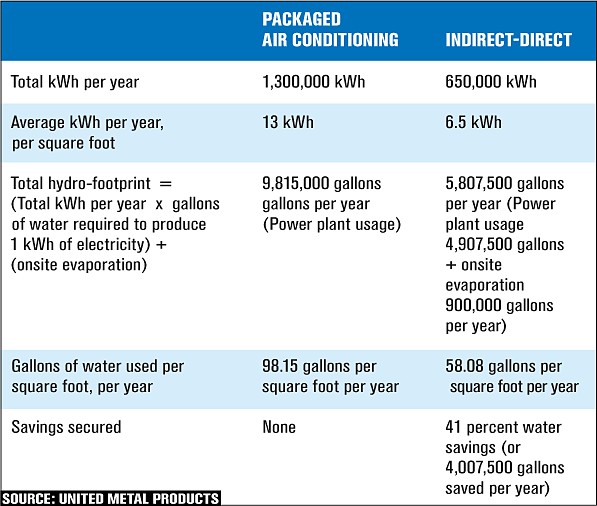
Why Your AC Bill Could Drop 80% This Summer
| Feature | Swamp Cooler | Central AC |
|---|---|---|
| Energy use | 1-2 amps (120-240W) | 15-50 amps (1,800-6,000W) |
| Hourly cost | $0.02-$0.05 | $0.25-$0.75 |
| Annual savings | $300-$800 | — |
| Fresh air exchange | 30-60 air changes/hour | 2-5 air changes/hour |
| Humidity impact | Adds 10-25% moisture | Removes 20-30% moisture |
Real Impact: Running a swamp cooler 8 hours/day in Phoenix costs $4.80/month versus $60+ for AC. But in Atlanta? You’ll waste money—the swamp cooler won’t lower temps below 85°F even at peak humidity.
When Swamp Coolers Outperform AC Hands-Down
- Dry heat emergencies: Cools spaces 20°F faster than AC during sudden 110°F spikes
- Workshop/garage cooling: No recirculated dust or fumes—100% fresh air flow
- Allergy sufferers: Constant air exchange flushes pollen vs. AC’s recirculated gunk
- Power grid stress: Uses 1/4 the energy during heat waves when blackouts loom
Critical Limitation: Never use in humidity >50%. You’ll get muggy 85°F air while wasting 10+ gallons of water hourly—worse than no cooling.
Fix These 3 Swamp Cooler Mistakes Before Summer Hits
Why Your Cooler Isn’t Dropping Below 85°F (And How to Fix It)
Mistake #1: Ignoring exhaust ventilation
Symptom: Stale, humid air that feels hotter than outside
Fix: Open windows on leeward side equal to 1-2% of floor area (e.g., 2 sq ft for 200 sq ft room)
Why it works: Creates negative pressure pulling cooled air through space—no exhaust = zero cooling
Mistake #2: Using hard water without treatment
Symptom: White crust on pads, reduced airflow, frequent pump failures
Fix: Add 1/4 cup bleach OR commercial water conditioner weekly
Pro Tip: Install a $20 water softener if hardness exceeds 10 gpg—saves $150/year in pad replacements
Mistake #3: Oversized units in small spaces
Symptom: Excess humidity making walls feel damp
Fix: Match CFM to space: 20-40 CFM per 100 sq ft (e.g., 2,000 sq ft needs 4,000-8,000 CFM unit)
Warning: Bigger isn’t better—overpowered units flood air with moisture before cooling occurs
Weekend Maintenance That Boosts Cooling by 25%
- Scrub pads with vinegar solution (1:1 water/vinegar) to dissolve mineral scale
- Clear pump strainer—a single leaf clog cuts water flow by 70%
- Check float valve—stuck valves cause overflow or dry pads
- Lubricate fan motor—dry bearings slow airflow by 15%
Time Saver: Set pump timer to 2 minutes on/5 minutes off—reduces water use 30% with no cooling loss.
Is a Swamp Cooler Right for Your Home? (The 3-Question Test)
Before investing $300-$2,000, answer these climate-critical questions:
1. What’s your average July wet-bulb temperature?
→ Check NOAA climate data: Below 75°F = YES, 75-80°F = MAYBE, Above 80°F = NO
2. Do you have reliable water access?
→ Reality check: Uses 3-15 gallons/hour—dry regions need rainwater harvesting
3. Can you open windows 24/7?
→ Dealbreaker: No exhaust = no cooling. Apartments or security-conscious homes fail here.
Final Verdict: If you live in Arizona, Nevada, or Colorado with humidity under 40%, a swamp cooler slashes bills by 80% while delivering fresher air. But in Florida, Louisiana, or coastal California? Stick with AC—you’ll waste money and water.
Key Takeaways: Swamp coolers exploit evaporation’s physics to cool air 15-40°F using minimal energy—but only below 40% humidity. They require open windows for exhaust, consume 3-15 gallons of water hourly, and demand pad maintenance to prevent efficiency loss. In dry climates, they outperform AC with 80% lower operating costs and superior air quality. Before buying, verify your wet-bulb temperature stays below 75°F in summer. For humid regions, consider hybrid systems pairing evaporative pre-cooling with traditional AC to balance efficiency and comfort.