That sinking feeling when you open your refrigerator only to discover your food isn’t cold—maybe even warm—is all too familiar. When your refrigerator cooler stops working properly, it’s not just an inconvenience; it’s a potential disaster for your groceries and your wallet. This comprehensive refrigerator cooler repair guide gives you the exact steps to diagnose and fix common cooling issues before they lead to spoiled food and expensive service calls. Whether your fridge runs constantly but doesn’t cool, makes strange noises, or simply can’t maintain proper temperatures, you’ll learn how to identify the problem and implement the right solution—safely and effectively.
Critical Safety Steps Before Any Refrigerator Cooler Repair
Before you touch a single component in your refrigerator cooler repair process, safety must be your top priority. Unplug the appliance immediately—this isn’t optional. Working on a plugged-in refrigerator risks severe electrical shock and could damage sensitive electronic components. Once unplugged, pull the unit away from the wall to create ample workspace and allow for proper ventilation during your repair work.
Gather these essential tools before you begin: a multimeter for testing electrical components, a set of screwdrivers (both flathead and Phillips), nut drivers, a 1/4-inch socket set, and a vacuum with hose attachment. You’ll also need replacement parts if your diagnosis confirms a faulty component. While gathering tools, check your refrigerator’s model number (typically on a sticker inside the door frame) to ensure you order the correct replacement parts.
Start your diagnosis with simple observations: Is the compressor running? Can you hear the characteristic hum from the back of the unit? Check if the interior light works when you open the door—this confirms basic electrical functionality. Verify temperature settings haven’t been accidentally changed, and ensure nothing is blocking interior air vents. Most importantly, examine the condenser coils (located at the back or bottom front) for excessive dust buildup, which is the cause of cooling problems in nearly 30% of refrigerator service calls.
How to Quickly Identify Your Specific Cooling Failure
Why is my refrigerator running but not cooling? This common scenario usually points to airflow restrictions or component failures. If the compressor runs continuously but the interior doesn’t get cold, check for frost buildup on the evaporator coils behind the freezer’s rear panel. Heavy frost indicates either a defrost system failure or evaporator fan malfunction. Listen carefully when you open the freezer door—do you hear the fan running? Silence suggests a failed evaporator fan motor, while unusual buzzing or clicking points to other electrical issues.
What temperature should my refrigerator maintain? Proper refrigerator temperature is 35-38°F (1.7-3.3°C), while the freezer should stay at 0°F (-18°C). Use an independent thermometer (not the built-in display) to verify actual temperatures. If readings are inaccurate, the temperature control thermostat might need replacement. Remember that overfilling your refrigerator restricts airflow—leave space between items for proper cold air circulation.
Fixing the Top 5 Refrigerator Cooling Failures
Why Your Evaporator Fan Has Stopped Circulating Cold Air
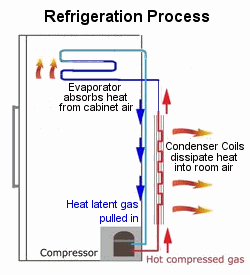
The evaporator fan inside your freezer is critical for refrigerator cooler repair success—it moves cold air from the freezer to the refrigerator compartment. When this fan fails, your freezer might stay cold while your refrigerator warms up. To diagnose this issue, unplug the unit and remove the rear panel in the freezer. Check if frost has completely covered the evaporator coils—if so, you’re dealing with a defrost system problem first.
If the coils are clear but the fan doesn’t run, manually spin the fan blade. If it’s stiff or won’t turn, defrost the area with a hairdryer (never use sharp objects to break ice). If the fan spins freely but still doesn’t run, test the motor with your multimeter for continuity. Most evaporator fan motors fail due to worn bearings or motor windings and require replacement. The repair typically takes 30-45 minutes and costs $30-$60 for the part.
How to Replace a Faulty Compressor Start Relay in 20 Minutes
That clicking sound when your refrigerator tries to start but fails usually indicates a bad start relay—a common and inexpensive refrigerator cooler repair. Located on the side of the compressor (the large black cylinder at the back bottom of the unit), this small component provides the initial electrical boost to start the compressor.
Unplug the refrigerator and locate the start relay—a small plastic box (about 2″x2″) clipped to the compressor. Remove it by gently pulling straight off the compressor terminals. Shake it near your ear—if you hear rattling, the internal parts have failed. Take the old relay to an appliance parts store for an exact match (relay numbers vary by manufacturer). Installation takes minutes: simply push the new relay onto the compressor terminals until it clicks into place. This $15-$25 repair solves cooling problems in nearly 20% of refrigerator service calls.
Why Your Door Gaskets Are Causing Cooling Failure
Damaged door seals are the silent killers of refrigerator efficiency. When gaskets tear, warp, or lose elasticity, they allow cold air to escape and warm, humid air to enter—forcing your refrigerator to work harder and longer. Perform the “dollar bill test” on all doors: close each door on a bill and try to pull it out. If it slides out easily, your seal has failed.
Replacing gaskets is simpler than you think. Most are held by a metal retainer strip secured with screws. Remove the old gasket by prying out the retainer, then clean the channel thoroughly before installing the new gasket. Start at the top center, press the new gasket into the channel, and work your way around. Allow 24 hours for the new gasket to settle before expecting optimal performance. This $25-$50 repair can reduce energy consumption by up to 15% and prevent constant compressor cycling.
Unclogging Condenser Coils to Restore Cooling Power

Clogged condenser coils are the #1 preventable cause of refrigerator cooling failure. When dust, pet hair, and debris coat these heat-exchanging coils (located at the back or bottom front of your unit), your refrigerator can’t release heat properly, causing the compressor to overheat and shut down.
Unplug the unit and pull it away from the wall. Use a coil cleaning brush (available at hardware stores for $5-$10) to gently dislodge debris from between the fins, followed by thorough vacuuming. For bottom-mounted coils, remove the front grille first. Be careful—bending the delicate fins reduces efficiency. After cleaning, ensure at least 2 inches of clearance around the entire unit for proper airflow. This 15-minute maintenance task should be performed twice yearly and solves cooling issues in countless households.
Clearing a Frozen Defrost Drain Before Water Damages Your Kitchen
Standing water on your refrigerator floor or excessive ice buildup in the freezer often indicates a clogged defrost drain—the tube that carries melted frost from the freezer to the drain pan. When blocked, water can’t escape and refreezes, eventually preventing proper cooling.
Locate the drain hole at the bottom rear of the freezer compartment behind the evaporator coils. Remove any visible ice with a hairdryer (never sharp tools). Then, use a turkey baster filled with hot (not boiling) water to flush the drain tube. For stubborn clogs, feed a flexible 1/4-inch bottle brush or piece of aquarium tubing through the drain. Finish by pouring 1/4 cup of distilled vinegar down the drain to prevent future clogs. This 20-minute fix prevents water damage and maintains proper defrost cycle operation.
When Refrigerator Cooler Repair Requires Professional Help
While many cooling issues are DIY-friendly, certain problems demand professional expertise. Call a certified technician immediately if you detect the sharp, acrid smell of burning insulation—this indicates serious electrical failure. Any suspected refrigerant leaks (hissing sounds where none existed before, or oil residue on copper lines) require EPA-certified handling and specialized equipment. Compressor failures, sealed system issues, and complex electronic control board problems also necessitate professional refrigerator cooler repair.
Essential Maintenance to Prevent Future Cooling Failures
Prevent most refrigerator cooler repair needs with these simple maintenance habits: Clean condenser coils every six months using a dedicated coil brush. Check door seals monthly with the dollar bill test and wipe gaskets with mild soap to maintain flexibility. Keep your refrigerator level—use a small bubble level on the top shelf and adjust the front legs as needed. Maintain proper loading: leave space around items for air circulation and avoid overfilling, which blocks vents. Finally, set appropriate temperatures (37°F for refrigerator, 0°F for freezer) and verify with an independent thermometer twice yearly.
By following this targeted refrigerator cooler repair guide, you’ve gained the knowledge to solve most common cooling issues safely and effectively. Remember that 80% of refrigerator cooling problems stem from simple causes like dirty coils, failed fans, or worn seals—all within reach of a careful DIYer. When you tackle these repairs promptly, you’ll extend your appliance’s lifespan, save money on service calls, and most importantly, keep your food safely chilled and your kitchen running smoothly.