When your engine runs hot during summer traffic or while towing heavy loads, the oil temperature can soar past 250°F—dangerously close to the point where motor oil breaks down and loses its lubricating properties. Understanding how does an oil cooler work becomes critical to prevent catastrophic engine damage. This essential component acts as a radiator specifically for your engine oil, maintaining that perfect temperature sweet spot between 200-230°F (93-110°C) where oil performs optimally. Without proper cooling, oil degrades rapidly, leading to increased engine wear, sludge formation, and potentially seized components. In this guide, you’ll discover exactly how oil coolers transfer heat, the different types available for various applications, and why this small component plays such a vital role in engine longevity.
Why Excessive Oil Temperature Ruins Engine Performance
Engine oil serves multiple critical functions beyond basic lubrication—it cleans internal components, seals combustion chambers, and transfers heat away from hot spots. When oil temperatures exceed 230°F (110°C), thermal breakdown begins to occur, causing oil to lose viscosity and protective additives to degrade. This thinning oil can’t maintain proper lubrication films between moving parts, leading to metal-to-metal contact that accelerates wear. In severe cases, oil can reach temperatures where it actually “cooks,” forming carbon deposits and sludge that clog oil passages and filter media. The consequences? Increased friction, higher operating temperatures, and potentially catastrophic engine failure. An oil cooler prevents this by maintaining consistent oil temperature regardless of driving conditions or ambient temperatures.
Air-to-Oil Cooler Operation: Transferring Heat to the Atmosphere
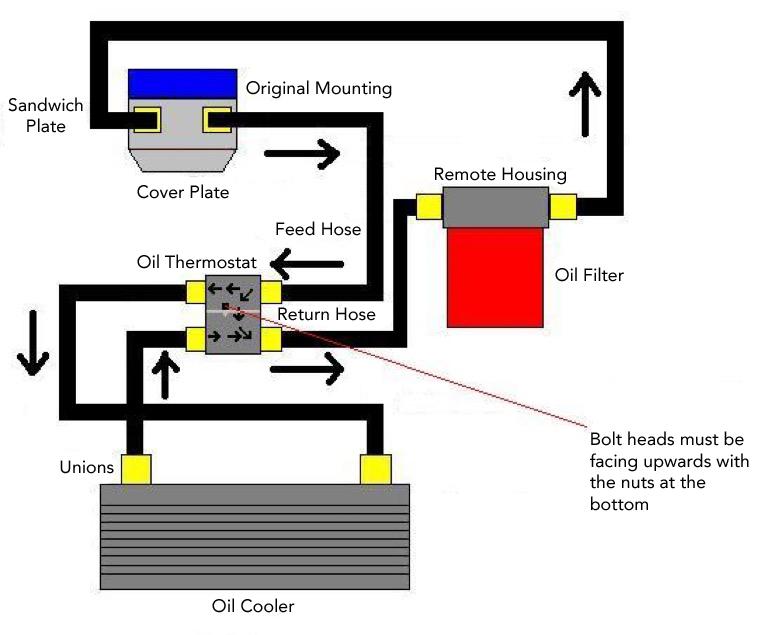
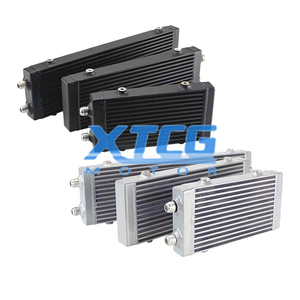
Air-to-oil coolers function as dedicated radiators for engine oil, using ambient air to dissipate excess heat. These units typically mount at the front of the vehicle where airflow is maximized, often positioned near or alongside the main engine radiator. As hot oil circulates through the cooler’s internal tubing, aluminum or copper fins attached to the tubes transfer heat to passing air molecules.
Air-Cooled Heat Exchange Science Explained
The cooling efficiency of air-to-oil systems depends on several critical factors working together. The temperature differential between the hot oil (typically 230-260°F or 110-127°C in severe conditions) and ambient air creates the driving force for heat transfer. Cooler surface area and fin density determine how much heat can be dissipated, while airflow velocity across the fins directly impacts cooling capacity—faster vehicle speeds or electric fan assistance improves performance. The thermal conductivity of the cooler material (usually aluminum for its excellent heat transfer properties and lightweight nature) completes the equation. Well-designed air-to-oil coolers can reject between 5,000-20,000 BTU/hour depending on their size and configuration.
Performance Applications and Installation Considerations
Air-to-oil coolers shine in high-performance and racing applications where maximum cooling capacity is essential. Motorcycles, performance cars, and heavy-duty towing vehicles often rely on these systems because they operate independently from the engine’s main cooling system. When installing an air-to-oil cooler, proper positioning is critical—mounting it where it receives direct airflow without obstructions ensures optimal performance. Many performance installations include thermostatic bypass valves that route oil around the cooler during cold starts, preventing overcooling that would slow oil warm-up. The simplicity of air-to-oil systems (no additional fluid connections required) makes them popular for aftermarket installations, though they require sufficient space in the engine bay or front fascia for proper mounting.
Liquid-to-Oil Cooler Function: Using Engine Coolant as a Heat Sink
Most modern vehicles employ liquid-to-oil coolers that integrate directly with the engine’s existing cooling system. Rather than using ambient air, these systems transfer heat from engine oil to the vehicle’s coolant, leveraging the main radiator’s capacity to dissipate that combined heat load. This approach offers packaging advantages in crowded modern engine bays while providing more consistent temperature control.
Plate-and-Fin Heat Exchanger Design Mechanics
Liquid-to-oil coolers typically use a sophisticated plate-and-fin heat exchanger design that creates alternating channels for oil and coolant flow. Multiple thin metal plates separate the two fluids while maximizing surface contact area for efficient heat transfer. Most modern units feature counter-current flow arrangement where oil and coolant flow in opposite directions, maximizing the temperature differential across the entire heat exchanger for optimal efficiency. The plates are usually brazed together for maximum thermal transfer and durability, with multiple gaskets and seals preventing cross-contamination between the oil and coolant circuits. Many newer vehicles integrate the oil cooler directly into the oil filter housing, creating a compact, service-friendly assembly.
Temperature Regulation and Bypass Valve Operation
A critical component of liquid-to-oil cooling systems is the thermostatic bypass valve that manages oil flow based on temperature conditions. When the engine is cold (below approximately 180°F or 82°C), this valve routes oil around the cooler entirely, allowing the oil to reach optimal operating temperature more quickly. Once the oil reaches working temperature (200-230°F or 93-110°C), the valve gradually opens to allow oil through the cooler. This intelligent regulation prevents overcooling while ensuring adequate heat rejection during demanding operation. The system maintains oil temperature within a relatively narrow 20-30°F (11-17°C) band around the ideal 210°F (99°C) operating point, regardless of external conditions.
Oil Cooler Core Components You Need to Understand
The heat exchanger core represents the heart of any oil cooling system, with design and construction directly impacting performance and reliability. Understanding these components helps diagnose issues and select appropriate replacements when needed.
Heat Exchanger Plate Construction Details
Modern oil cooler cores typically consist of multiple thin metal plates stacked together to create alternating channels for oil and coolant flow. These plates are precision-engineered with micro-fins or turbulence promoters to maximize heat transfer efficiency while maintaining reasonable pressure drop. The materials used (usually aluminum alloys) balance thermal conductivity, corrosion resistance, and manufacturing cost. Brazed construction creates permanent, high-integrity joints that maximize thermal transfer between plates while withstanding the high pressures and thermal cycling of engine operation. The inlet and outlet ports are carefully designed to match specific flow rates for the application, with typical pressure drops ranging from 5-15 psi at design flow.
Integrated Filter and Sensor Housing Systems
Many contemporary vehicles feature oil cooler assemblies that integrate multiple functions into a single housing. The Jeep JK/JL 3.6L Pentastar engine exemplifies this trend, combining the oil filter mounting point, oil pressure sensors, temperature sensors, and the cooler core itself into one compact unit. This integration reduces potential leak points and simplifies engine bay packaging, though it creates more complex replacement procedures when failures occur. These multi-function housings often incorporate the thermostatic bypass valve directly into the assembly, creating a self-contained oil temperature management system that requires minimal external plumbing.
Recognizing Oil Cooler Failure Symptoms Before Damage Occurs

Oil cooler failures typically manifest through specific symptoms that, when caught early, can prevent extensive engine damage. External oil leaks around the cooler housing or connecting lines represent the most obvious failure sign, often visible as fresh oil spots beneath your vehicle. More insidious—and potentially more damaging—is internal failure where the barrier between oil and coolant channels breaks down.
Coolant and Oil Mixing: A Critical Warning Sign
The appearance of a milky, creamy substance on your oil dipstick or under the oil filler cap indicates coolant has contaminated your engine oil—a classic symptom of oil cooler failure. This “mayonnaise” forms when coolant mixes with oil at operating temperature, creating an emulsion that provides virtually no lubrication. Conversely, oil appearing in your coolant reservoir or overflow tank signals the same problem in reverse. Either scenario requires immediate attention, as continued operation with mixed fluids will rapidly destroy bearings and other critical engine components. Many modern vehicles feature oil temperature warning lights that illuminate when temperatures exceed safe limits, providing an early alert to potential cooling system issues.
Maintaining Your Oil Cooling System for Maximum Reliability
Proper maintenance of your oil cooling system extends beyond simply replacing the oil filter at regular intervals. For air-to-oil coolers mounted at the vehicle’s front, periodic inspection and cleaning of the finned core prevents airflow restriction from bug buildup and road debris. For liquid-to-oil systems, monitoring coolant quality and condition helps identify early signs of internal leakage before significant damage occurs.
Essential Oil Cooler Maintenance Checklist
- Visual Inspection: Check for external leaks around fittings, hoses, and housing seals during oil changes
- Coolant Examination: Regularly inspect coolant for oil contamination (dark streaks or emulsion)
- Temperature Monitoring: Note any changes in normal oil temperature readings during operation
- Core Cleaning: For air-cooled units, use compressed air to clear debris from between fins
- Hose Inspection: Check oil cooler lines for cracks, swelling, or heat damage
- Filter Replacement: When changing oil filters on integrated systems, replace any associated gaskets
When replacing an oil cooler assembly, follow proper torque sequences for housing bolts to prevent warping and leaks. After servicing liquid-to-oil systems, properly bleed air from the cooling circuit to ensure optimal heat transfer. For vehicles with oil temperature gauges, monitor readings during the first few drives after service to confirm proper system operation.
Choosing the Right Oil Cooler for Performance Upgrades
Aftermarket oil coolers become essential when modifying your vehicle for increased performance or adding heavy towing capacity. The appropriate size depends on your specific application—passenger vehicles typically require 8-15 GPM (30-57 L/min) flow capacity, while performance applications may need 15-30 GPM (57-114 L/min). Consider ambient temperatures in your region; hot climate drivers need larger coolers than those in cooler areas. Proper installation orientation prevents air pockets that reduce cooling efficiency, and adequate line sizing ensures minimal pressure drop through the system. For maximum protection, select units with integrated thermostatic bypass valves that prevent overcooling during cold starts while providing full cooling capacity when needed most.
Final Note: An oil cooler’s role in maintaining optimal engine temperature cannot be overstated—it’s the unsung hero protecting your engine’s vital lubrication system. By understanding how does an oil cooler work and recognizing early signs of failure, you can prevent expensive engine repairs and extend your vehicle’s service life significantly. Whether you drive a daily commuter or a high-performance machine, paying attention to your oil cooling system ensures your engine continues running smoothly for miles to come. Regular inspection and proper maintenance of this critical component delivers peace of mind that your engine’s lifeblood remains at the perfect temperature, no matter the driving conditions.