
You just spent hundreds on your YETI cooler, only to discover water pooling around it after your camping trip. That sinking feeling when your premium cooler leaks is especially frustrating when you’re relying on it for icy drinks or fresh food. But before you assume it’s ruined, understand this: not all YETI cooler leaking indicates a defect. The truth is, most leaks fall into two distinct categories—either an intentional design feature you can work around, or a legitimate issue requiring repair. This guide cuts through the confusion with actionable steps to pinpoint your exact problem and implement the right solution, whether it’s a simple gasket adjustment or a warranty claim.
Discovering water escaping your YETI cooler often triggers panic, but recognizing the difference between normal operation and actual failure saves time and money. Your cooler’s legendary ice retention depends on a sophisticated sealing system that prioritizes safety over absolute watertightness in all positions. By the end of this guide, you’ll confidently diagnose whether that drip means “replace immediately” or “just avoid tipping it.” We’ll walk through pressure-tested troubleshooting methods, warranty claim strategies that actually work, and critical prevention tactics most owners miss.
Why Your YETI Cooler Leaks When Tipped (And Why It’s Not Broken)
That frustrating leak when you lay your cooler on its side isn’t a manufacturing flaw—it’s engineered safety in action. Your Tundra cooler’s one-way gasket is deliberately designed to vent internal pressure while maintaining an airtight seal during normal upright use. This critical feature prevents dangerous pressure buildup if you ever use dry ice, which expands dramatically as it sublimates. Think of it like a pressure valve on a pressure cooker: essential for safety but not meant to contain liquid when inverted.
Here’s what happens during transport: When your liquid-filled YETI tips sideways, gravity forces water against the gasket’s pressure-release path. Unlike a completely sealed container, this design allows slow seepage rather than risking explosive pressure release. If your cooler only leaks when tilted or on its side, this is normal operation—not a defect. You’ll typically notice slow dripping rather than gushing flow. To avoid this, always transport your YETI upright when holding liquids, and never fully submerge it during cleaning. Remember: this “leak” is the safety feature working exactly as intended.
How to Confirm It’s Normal One-Way Seal Behavior
Perform this quick field test before panicking: Fill your cooler halfway with water, close it securely, and lay it on its side for 5 minutes. If leakage stops immediately when returned upright and no water seeps while stationary, you’re experiencing standard one-way gasket function. Crucially, this behavior only qualifies as normal if leaks cease when the cooler is level and stationary. If water continues dripping after returning upright, move to diagnostic steps below.
Pinpointing Dangerous Leaks: When Your Stationary YETI Cooler Leaks
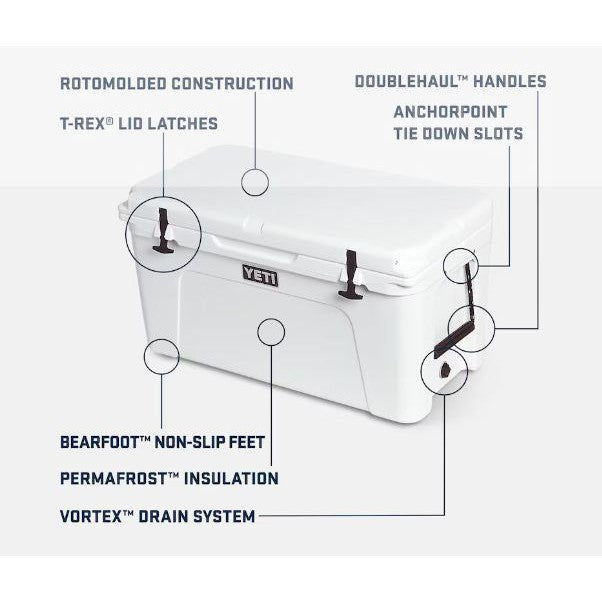
Leaks occurring while your cooler sits perfectly level and motionless signal a genuine problem requiring immediate action. Unlike the normal seepage during tipping, a stationary YETI cooler leaking indicates a compromised seal or structural failure that undermines its core function. This isn’t just annoying—it means warm air infiltrates faster, melting ice prematurely and risking spoiled food. Ignoring this issue turns your investment into an expensive bucket.
Diagnosing Upright Leaks: The Gasket Inspection Protocol
Start with a meticulous gasket examination using these steps:
1. Remove all contents and dry the interior completely with a microfiber towel
2. Run your fingertip slowly along the entire gasket channel, feeling for:
– Pinched sections where the rubber folds over itself
– Cracks or dry-rot in the rubber (common near latches)
– Sand, food debris, or old adhesive clogging the channel
3. Check lid alignment by closing it slowly—watch for uneven gaps around the perimeter
If you find debris, clean the channel with a soft toothbrush and mild soap. For stubborn residue, use a plastic spudger (not metal!) to avoid scratching. Never force the lid closed if resistance is felt—that’s how gaskets get permanently pinched. If the gasket appears damaged or misaligned after cleaning, proceed to the bucket test below.
The Definitive Bucket Test for Hidden Leaks
When leaks are intermittent, this foolproof method identifies trouble spots:
1. Place a rolled towel vertically inside the cooler against the lid seal
2. Close the lid and secure latches
3. Pour water slowly around the exterior lid seam using a spray bottle
4. Wait 2 minutes, then open carefully—wet towel = confirmed leak
This test isolates lid seal failures from drain plug issues. For drain plug leaks, fill the cooler ⅓ full and watch the plug area while stationary. If water emerges without movement, your O-ring has failed. Document all findings with timestamped video showing the leak occurring while the cooler remains perfectly still—this is crucial for warranty claims.
Emergency Drain Plug Leak Fixes You Can Do Today
Drain plug leaks account for nearly 40% of YETI service cases, but most are user-fixable in under 5 minutes. The culprit is usually the small rubber O-ring that seals the plug against the housing. Over time, this ring dries out, cracks, or gets dislodged during cleaning. Never overtighten the plug—YETI’s plastic threads strip easily, worsening leaks.
Step-by-Step Drain Plug Repair
- Remove the plug completely by turning counterclockwise
- Inspect the O-ring for cracks, flattening, or missing sections
- Clean the housing groove with isopropyl alcohol on a cotton swab
- Lubricate the new O-ring with food-safe silicone grease (petroleum jelly damages rubber)
- Reinsert the plug by hand only—stop when resistance increases
If leaks persist after replacement, check for hairline cracks around the drain housing. YETI sells O-ring kits ($8) and full drain assemblies ($25) for most models. Pro Tip: Keep a spare O-ring in your cooler’s storage compartment for roadside repairs.
When to Demand Your YETI Warranty Coverage (Don’t Settle for Less)
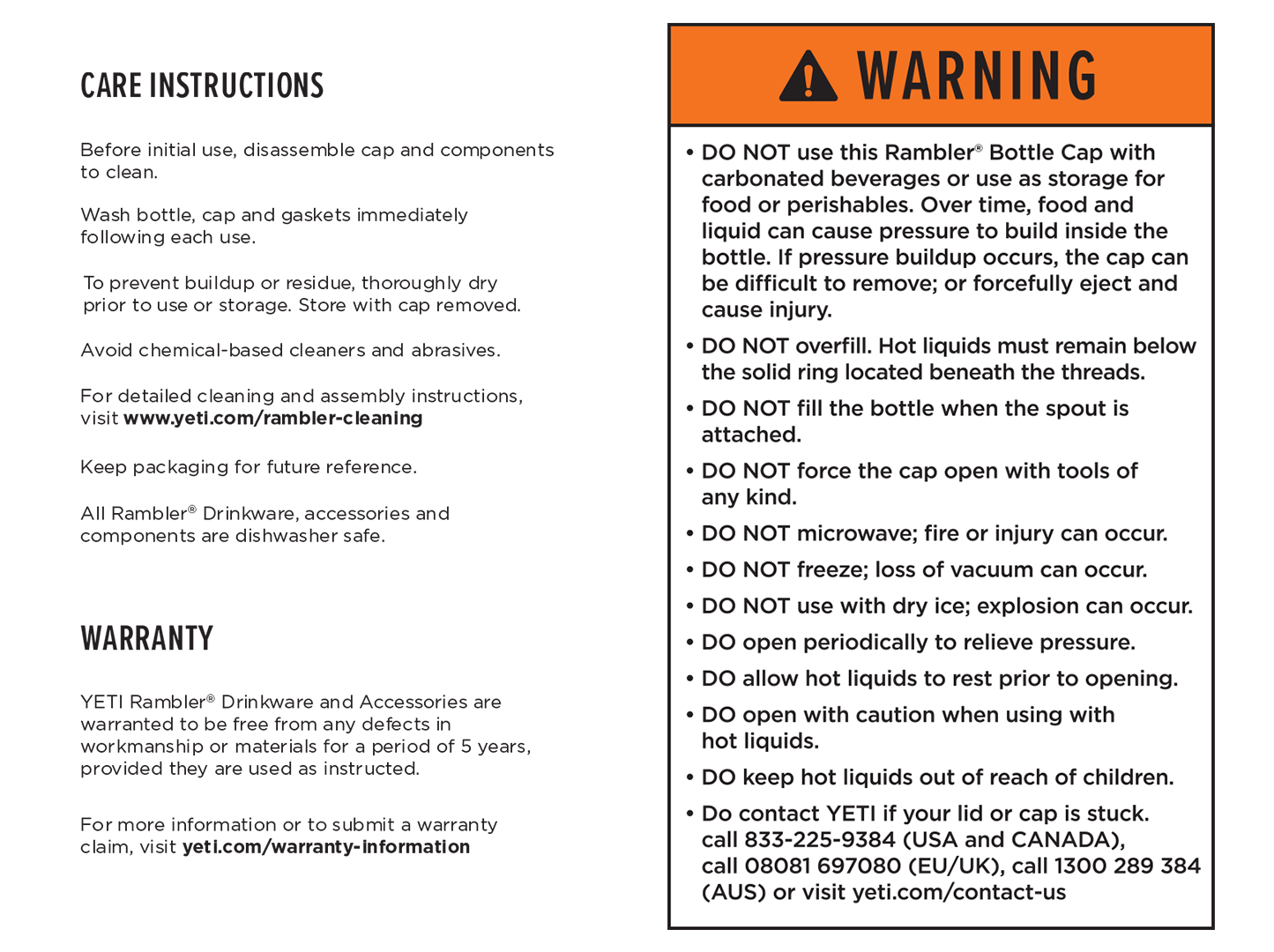
YETI’s 5-year warranty covers legitimate leaks occurring during normal upright use—but you must prove it’s not the normal one-way seal function. File a claim immediately if: water drips while the cooler sits stationary on a level surface, you spot visible cracks in the lid or body, or the gasket shows manufacturing defects like uneven thickness. User damage (drops, punctures) voids coverage, but material failures don’t.
Winning Your Warranty Claim in 3 Steps
- Document rigorously: Record 30-second video showing:
– Cooler placed on level surface (use a bubble level app)
– Water filling to 1-inch depth
– Continuous leakage while stationary for 10+ seconds - Gather proof: Note model number (stamped near drain), purchase date, and original receipt
- Submit strategically: Use YETI’s online portal—select “Gasket/Seal Failure” as the issue. Avoid calling it a “defect”; describe “leakage during normal upright operation”
YETI typically responds within 72 hours. If denied, politely escalate to a supervisor with your video evidence. Critical: Never mention dry ice use in claims—warranty excludes damage from improper dry ice handling.
Prevent Leaks Before They Start: Pro Maintenance Secrets
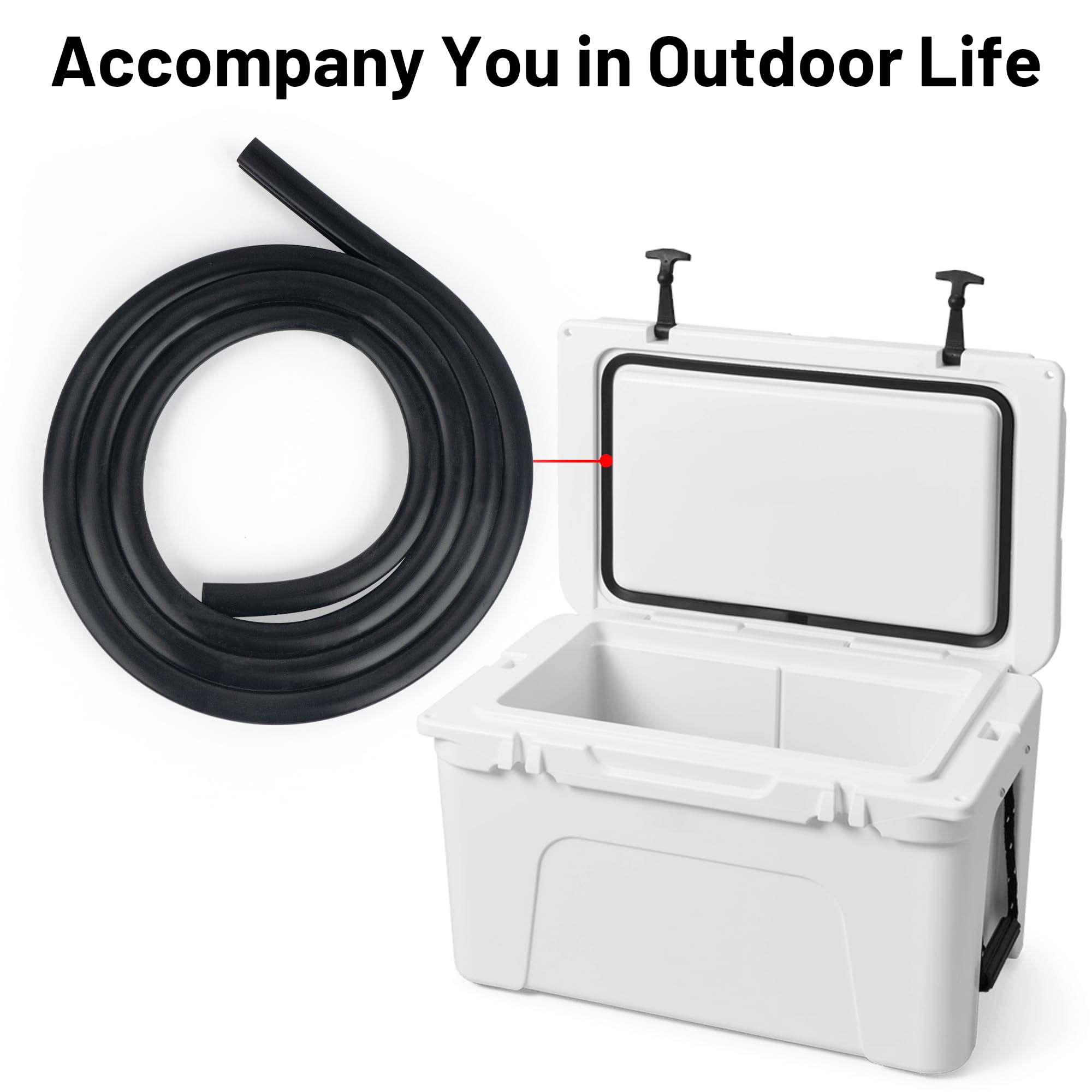
Most “failed” YETI coolers simply suffer from preventable gasket neglect. Implement these habits after every use:
– Dry storage protocol: Leave lid propped open with a towel inside for 48 hours post-trip
– Gasket preservation: Apply cornstarch (not talc) to rubber annually to prevent sticking
– Transport rule: Never carry liquid-filled coolers horizontally—use roof racks upright
– Cleaning no-nos: Skip harsh chemicals; use 1:10 vinegar-water solution for mold
Never store your YETI with the lid latched shut—this compresses the gasket unevenly, causing permanent deformation. For long-term storage, place a rolled magazine in the lid channel to maintain shape. If you regularly transport coolers in trucks, invest in YETI’s Tie-Down Kit to prevent shifting during transit.
Understanding your YETI cooler leaking issue separates normal operation from legitimate defects. Remember: tipping-induced leaks are intentional safety features, while stationary leaks demand warranty action. By mastering the bucket test and proper gasket care, you’ll extend your cooler’s life significantly. Most importantly, document upright leaks immediately—YETI’s warranty team responds best to clear video evidence showing leaks during normal use. Keep this guide handy for your next adventure, and never let a preventable leak ruin your trip again. For persistent issues, YETI’s replacement gaskets (model-specific on their website) often solve problems faster than warranty processing—turning that frustrating drip into ice-cold reliability.