You’ve probably noticed your swamp cooler isn’t cooling as effectively as it did when you first installed it. That’s the most common sign homeowners experience when wondering, “How long does a swamp cooler last?” The truth is, most residential units last between 5 to 15 years with proper care, while commercial models can operate reliably for up to 20 years. But here’s what manufacturers won’t tell you: the difference between a 5-year lifespan and a 15-year lifespan comes down almost entirely to your maintenance habits.
Think of your swamp cooler like a high-performance sports car—both require regular attention to reach their full potential. Without proper care, even the most expensive unit will fail prematurely. The good news is that with the right maintenance routine, you can significantly extend your evaporative cooler’s service life. In this guide, you’ll discover exactly what determines your cooler’s lifespan and practical steps you can take today to ensure yours keeps running efficiently for years to come.
Residential vs Commercial Swamp Cooler Lifespans: What to Expect
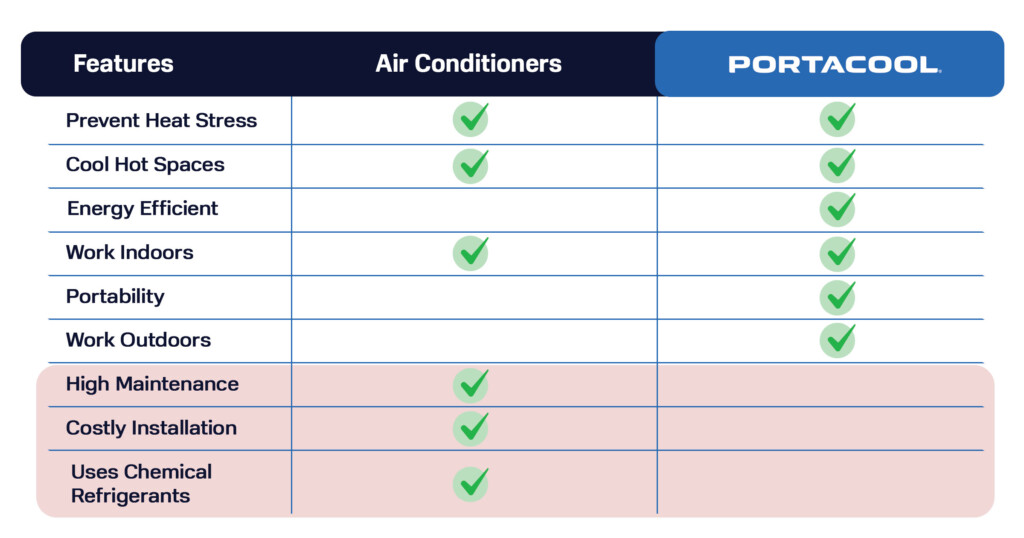
Your evaporative cooler’s expected service life varies dramatically based on whether it’s designed for home or business use. Residential units typically last 10-15 years when properly maintained, while commercial systems built for continuous operation often exceed 15 years and can reach 20 years with professional servicing.
Why Budget Units Fail Twice as Fast as Premium Models
Lower-cost swamp coolers often use thin-gauge metals and plastic components that deteriorate quickly under constant moisture exposure. These units might only last 5-7 years even with good maintenance, whereas premium models with galvanized steel housings and corrosion-resistant components deliver 12-15 years of reliable service. The initial cost difference pays for itself when you avoid premature replacement.
How Climate Impacts Your Cooler’s Service Life
If you live in Arizona’s Sonoran Desert where temperatures regularly exceed 110°F, your cooler works harder and longer than one in a milder climate. This constant operation accelerates wear on all components, particularly the water pump and cooling pads. Units in extreme heat zones typically reach end-of-life 2-3 years sooner than identical models in more moderate regions.
Water Pump Replacement Timeline: Don’t Wait for Failure
Your swamp cooler’s water pump is the system’s lifeline, circulating water to keep you comfortable. Most quality pumps last 5-7 years with proper care, but neglect can cut this lifespan in half.
How to Extend Your Pump’s Service Life
Mineral buildup from hard water is the #1 killer of swamp cooler pumps. Here’s what to do:
– Flush the pump housing monthly during peak season
– Install a sediment filter on your water supply line
– Use a biodegradable descaling solution every 2-3 months
– Never run the pump dry—even brief operation without water causes immediate damage
Warning Signs Your Pump Is Failing
Act immediately if you notice:
– Reduced water flow to the pads
– Unusual humming or grinding noises
– Water pooling beneath the unit
– Complete pump failure (no water circulation)
Cooling Pad Replacement Schedule: The #1 Maintenance Mistake Homeowners Make
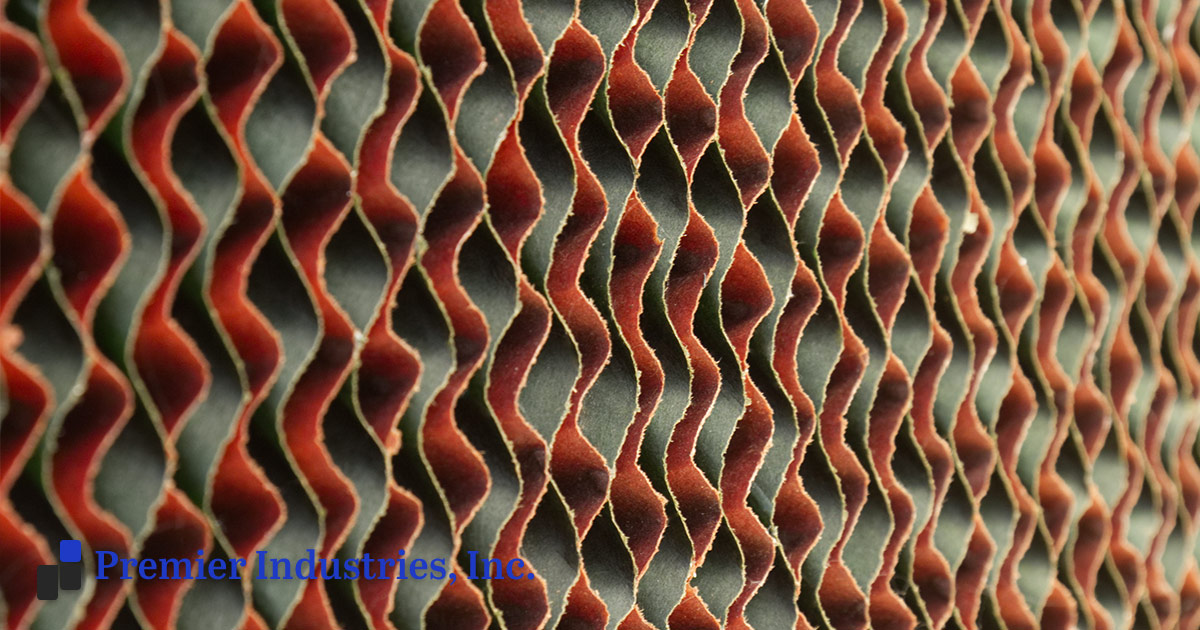
Your evaporative pads are designed as consumable components, not permanent fixtures. Most pads last only 6-12 months before mineral deposits and organic growth significantly reduce their effectiveness.
How to Determine When Pads Need Replacement
Check pads monthly during cooling season for these telltale signs:
– Visible mineral crust forming on the surface
– Reduced cooling capacity (air isn’t as cold)
– Musty odors coming from the unit
– Pads that feel stiff or brittle to the touch
Proper Pad Installation Techniques That Prevent Leaks
Many homeowners unknowingly shorten their cooler’s lifespan by installing pads incorrectly. Always:
– Soak new pads completely before installation
– Ensure pads fit snugly against the frame (gaps cause leaks)
– Align the pads with the water distribution system
– Never force pads into place—this creates gaps that lead to water damage
Pre-Season Checklist for Maximum Cooler Longevity
Starting each cooling season with proper preparation prevents 80% of common failures that shorten your swamp cooler’s life.
5-Minute Pre-Season Tune-Up That Adds Years to Your Cooler
- Remove and clean the entire water reservoir (use vinegar solution for mineral deposits)
- Inspect and clean the pump intake screen
- Check motor lubrication points (if applicable)
- Test float valve operation with a dry run
- Install fresh cooling pads (don’t reuse last year’s)
Common Pre-Season Mistakes That Cause Early Failure
Homeowners often make these critical errors:
– Skipping pad replacement to “save money” (reduces efficiency by 40%)
– Forgetting to check the belt tension (causes motor strain)
– Not cleaning the air filter (restricts airflow, overheats components)
– Ignoring minor rust spots (leads to major corrosion later)
Winterization Steps That Prevent Costly Damage
Failing to properly winterize your swamp cooler is the single biggest mistake that shortens its lifespan. A single freezing night can crack your reservoir pan, rendering the entire unit useless.
Complete Winter Shutdown Procedure in 6 Steps
- Turn off power and water supply to the unit
- Drain all water from the reservoir and lines
- Remove and clean cooling pads (store dry)
- Clean the entire water pan with vinegar solution
- Lubricate motor bearings (if accessible)
- Cover the unit with a breathable, waterproof cover
Why Simply Turning Off the Power Isn’t Enough
Many homeowners think “out of sight, out of mind” when winter arrives, but residual moisture inside your cooler will cause damage even when the unit is off. Without proper draining and drying, mineral deposits harden, rust develops, and mold grows—creating problems that won’t show up until next summer when it’s too late to fix easily.
Hard Water Solutions for Desert Climate Coolers

If you live in the American Southwest, hard water is silently destroying your swamp cooler from the inside out. The high mineral content in desert water supplies accelerates component failure by 30-50%.
Effective Water Treatment Methods That Work
Choose one of these proven solutions:
– Install a whole-house water softener (most effective but expensive)
– Use a swamp cooler-specific water treatment additive (affordable option)
– Install a reverse osmosis system for the cooler’s water line (targeted solution)
– Flush the system weekly with white vinegar (DIY approach)
How to Recognize Hard Water Damage Before It’s Too Late
Check for these early warning signs:
– White crusty deposits on pads and reservoir
– Reduced water flow from distribution lines
– Frequent pump failures
– Strange mineral odors from the unit
Warning Signs Your Swamp Cooler Is Nearing End of Life
Even with perfect maintenance, all swamp coolers eventually reach the end of their service life. Recognizing these advanced aging symptoms helps you plan for replacement before you’re left without cooling during a heatwave.
Critical Failure Points That Signal Replacement Time
When you see multiple of these issues simultaneously, replacement is usually more cost-effective than repairs:
– Extensive rust through the reservoir pan
– Repeated pump failures within 12 months
– Motor that overheats consistently
– Structural damage to the housing
Cost Analysis: Repair vs Replace Your Aging Cooler
Calculate your break-even point:
– If repair costs exceed 50% of a new unit’s price, replace it
– If your cooler is over 12 years old, replacement parts become scarce
– Newer models offer 20-30% better efficiency, reducing operating costs
Professional Maintenance Schedule That Maximizes Lifespan
While DIY care handles most routine needs, certain critical services require professional expertise to prevent premature failure.
Annual Professional Services Worth the Investment
Schedule these services every spring:
– Comprehensive motor inspection and lubrication
– Electrical system safety check
– Water distribution system calibration
– Complete system performance testing
When to Call a Pro Immediately
Don’t wait if you notice:
– Burning smells from the motor
– Water leaking into your home
– Unusual electrical behavior (flickering lights, tripped breakers)
– Complete system failure during extreme heat
Final Note: Your swamp cooler’s lifespan isn’t predetermined—it’s directly tied to your maintenance habits. By implementing these proven care techniques, you can confidently expect 12-15 years of reliable service from a residential unit, potentially stretching that to 15-20 years with exceptional care. Remember that the most successful swamp cooler owners treat maintenance like clockwork: seasonal pad replacements, thorough winterization, and hard water management form the foundation of longevity. When you catch problems early and address them promptly, your evaporative cooler will reward you with efficient, cost-effective cooling through many desert summers. Start implementing these practices today, and you’ll never have to wonder “how long does a swamp cooler last?” because yours will keep performing well beyond average expectations.