Nothing ruins a hot summer day faster than your swamp cooler blowing warm air instead of refreshing coolness. When your evaporative cooler stops working properly, it’s more than just uncomfortable—it’s a serious problem when temperatures soar. Many homeowners in dry climates rely on these energy-efficient units as their primary cooling solution, so when performance drops, finding a quick fix becomes urgent. The good news is that most “swamp cooler not cooling” issues stem from just a handful of common problems that you can diagnose and fix yourself with basic tools. This guide will help you pinpoint exactly why your unit is underperforming and provide practical solutions to restore proper cooling function—without breaking the bank on professional service calls.
Why Your Evaporative Cooler Fails to Chill Dry Air
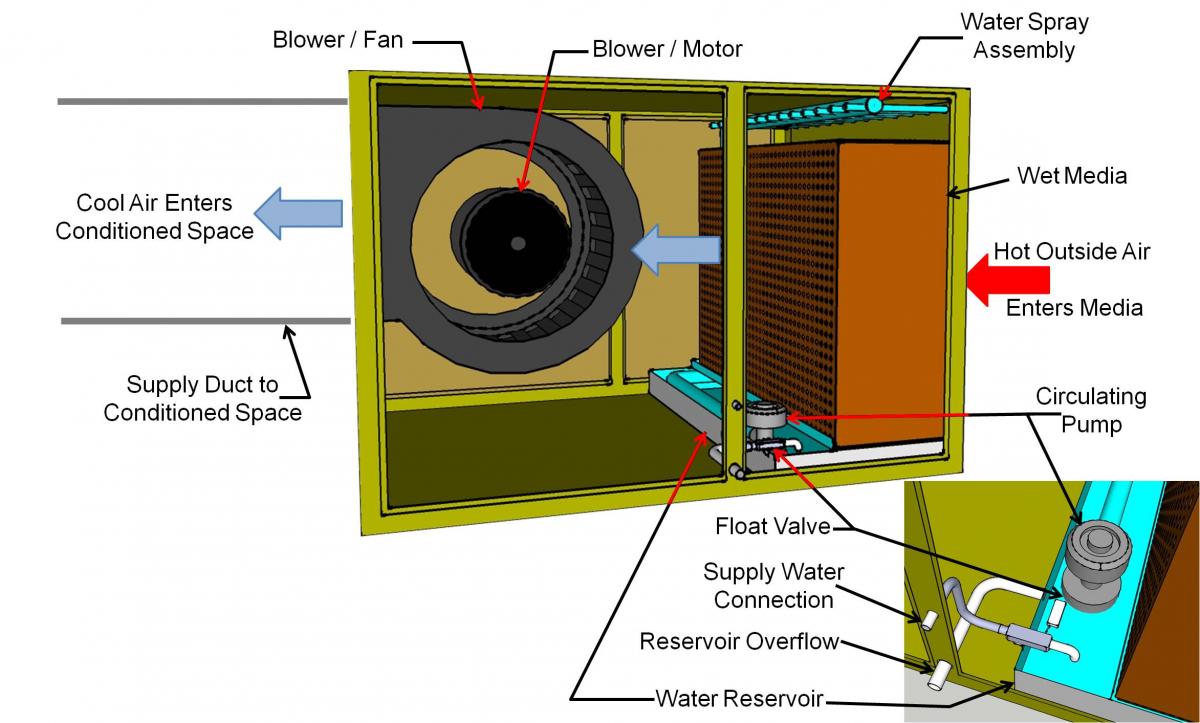
Swamp coolers operate on a fundamentally different principle than traditional air conditioners, which explains why they stop working when certain conditions aren’t met. Instead of using refrigerants and compressors, evaporative coolers rely on water evaporation to cool incoming air. When dry, hot air passes through water-saturated cooling pads, the water evaporates and absorbs heat energy from the air, resulting in significantly cooler temperatures. For this process to work effectively, three critical elements must function properly: adequate water flow across clean pads, sufficient airflow through the unit, and appropriate environmental conditions. If any part of this delicate system fails, your cooler will blow warm air regardless of how hard it’s working. Understanding this basic principle helps you diagnose exactly where the breakdown is occurring in your specific unit.
Clogged Cooling Pads Preventing Cold Air Flow
Identifying Mineral Buildup on Cooling Media
Mineral deposits from hard water are the number one enemy of evaporative cooling efficiency. When calcium and magnesium accumulate on your cooling pads, they create a physical barrier that prevents proper water absorption and air passage. You’ll notice reduced cooling capacity, visible white crusty deposits on the pads, and possibly a musty odor as stagnant water pools in blocked areas. In severe cases, the pads become so rigid they can’t absorb water at all, rendering your cooler completely ineffective. This problem develops gradually over a cooling season, which is why many homeowners don’t realize their pads have degraded until cooling performance dramatically drops.
Cleaning or Replacing Your Cooling Media

To address clogged pads, first power down and unplug your unit. Remove access panels and carefully slide out the cooling media. For light mineral buildup, thoroughly rinse pads with a garden hose, working from multiple angles to dislodge deposits. For heavier scaling, prepare a 1:1 solution of white vinegar and water in a large container, submerge the pads, and let them soak for several hours before rinsing. Warning: Never use a pressure washer on cooling pads as this will damage the delicate cellulose fibers. If pads show signs of brittleness, crumbling, or significant discoloration, replacement is necessary—most pads last only one season in hard water areas. Installing fresh pads typically restores 80-90% of your cooler’s original cooling capacity.
Stale Water Causing Musty Odors and Poor Performance
Eliminating Algae Growth in Your Reservoir
Stagnant water in your swamp cooler’s pan creates the perfect breeding ground for algae, bacteria, and unpleasant odors. This slimy buildup restricts water flow to the pads and introduces contaminants into your indoor air. You’ll recognize this problem by a foul, musty smell emanating from your vents or visible green discoloration in the water reservoir. The solution requires a thorough cleaning: drain all water, scrub the pan with a mixture of 1 cup bleach per gallon of water using a stiff brush, then rinse completely. For ongoing prevention, add 2-3 tablespoons of household bleach to your water reservoir weekly during operation, or use a commercial algaecide specifically designed for evaporative coolers.
Water Pump Issues Reducing Cooling Efficiency
Diagnosing Low Water Flow to Cooling Pads
When your swamp cooler’s pump isn’t delivering adequate water to the top distribution system, your pads can’t properly saturate, resulting in warm air output. First, verify the pump is running by listening for its characteristic hum when the unit is powered on. If the pump operates but water isn’t reaching the pads, check these common failure points:
- Clogged distribution holes: The small openings in the water tray often become blocked with mineral deposits
- Pump intake filter obstruction: A fine mesh screen on the pump inlet collects debris over time
- Faulty float valve: Incorrect water levels prevent proper pump operation
Clearing Blockages in Your Water Delivery System
To restore proper water flow, power off and unplug your unit. Remove the top access panel to expose the water distribution tray. Using a straightened paperclip or small wire, carefully clear each distribution hole by inserting and twisting to dislodge mineral deposits. Next, locate the water pump (typically at the bottom of the unit) and remove its protective cover to access the intake screen. Rinse this filter under running water to remove accumulated debris. If water flow remains insufficient after these steps, check your float valve to ensure it’s maintaining proper water levels in the reservoir—typically 1-2 inches deep for most residential units.
Airflow Problems Limiting Cooling Capacity
Optimizing Ventilation for Maximum Evaporative Cooling
Swamp coolers require significant airflow exchange to function properly—typically 20-40 air changes per hour. Many homeowners unknowingly sabotage their cooler’s performance by closing too many windows and doors. Unlike traditional AC systems that recirculate indoor air, evaporative coolers need a path for hot, stale air to escape as cool, moist air enters. The optimal setup involves opening windows or vents on the opposite side of your house from the cooler, creating a cross-breeze that pulls cooled air through your living space. Start with windows open approximately 1-2 square feet for every 1,000 CFM of your cooler’s airflow capacity, then adjust based on comfort.
Cleaning or Replacing Air Filters for Better Performance
While not all swamp coolers feature traditional air filters, many models incorporate pre-filters designed to catch larger debris before it reaches the cooling pads. A clogged filter dramatically reduces airflow and cooling efficiency. Locate any filters in your unit’s air intake path and inspect them for heavy dust accumulation. Most filters can be cleaned by gently hosing them down or vacuuming with a brush attachment. If your filter shows significant wear or damage, replacement is inexpensive and dramatically improves cooling performance. Pro Tip: Set a seasonal reminder to check and clean filters every 2-3 weeks during peak cooling months to maintain optimal airflow.
Environmental Factors Affecting Cooling Performance
Understanding When Humidity Ruins Evaporative Cooling
Swamp coolers become significantly less effective as ambient humidity rises above 50-60%. In humid conditions, the air can’t absorb additional moisture, eliminating the evaporative cooling effect that makes these units work. This explains why your cooler might perform perfectly one day and fail the next during monsoon season. Unfortunately, there’s no mechanical fix for high humidity—this is simply a limitation of evaporative cooling technology. On particularly humid days, you may need to supplement with portable air conditioning or simply run your swamp cooler on fan-only mode to circulate air without adding moisture.
Step-by-Step Diagnostic Checklist for Immediate Results

Quick Troubleshooting Sequence for Non-Cooling Units
When your swamp cooler stops working, follow this systematic approach to identify the problem:
- Verify basic operation: Confirm power supply, check circuit breakers, and ensure water supply valve is open
- Check water levels: Inspect reservoir for proper water depth (1-2 inches) and verify float valve operation
- Test water distribution: With unit running, observe if water is evenly flowing over all cooling pads
- Assess airflow: Place your hand near vents to gauge air volume and temperature difference
- Inspect pads: Remove panels to check pad condition, saturation level, and signs of mineral buildup
Common Mistakes That Worsen Cooling Problems
Many homeowners inadvertently make their swamp cooler problems worse by:
– Overlooking simple fixes like checking the power supply or water valve
– Using excessive bleach that corrodes internal components
– Attempting to clean pads with high-pressure water that damages the media
– Closing too many windows, restricting necessary airflow exchange
– Waiting too long between cleanings, allowing minor issues to become major failures
When to Call a Professional Repair Service
While most swamp cooler issues can be resolved with basic DIY skills, certain problems require professional expertise. Contact a certified technician if you encounter:
– Electrical issues such as burning smells, tripped breakers, or damaged wiring
– Persistent leaks that continue after replacing seals and gaskets
– Unusual noises from the motor indicating bearing failure
– Complete pump or motor failure requiring electrical testing
– Complex ductwork modifications for improved airflow
Maintaining Peak Cooling Performance All Season Long
Prevent future “swamp cooler not cooling” problems with these simple maintenance practices:
– Flush and clean the entire system monthly during operation
– Replace cooling pads at the start of each cooling season
– Check and clean pump filters weekly in dusty environments
– Monitor water quality and consider a filtration system for hard water areas
– Perform a complete teardown and cleaning at season’s end before winter storage
By addressing these common failure points systematically, you’ll keep your evaporative cooler running efficiently all summer. Remember that proper maintenance prevents most cooling problems before they start—just 15 minutes of weekly attention can save you from uncomfortable days without cooling when you need it most. With your swamp cooler now performing at its best, you can enjoy the energy-efficient, eco-friendly cooling that makes hot, dry climates more livable.