
You’re halfway through a weekend camping trip when you notice a puddle forming under your cooler. That sinking feeling hits when you realize a crack has turned your trusty ice chest into a leaky bucket. A cracked cooler doesn’t just mean melted ice—it risks spoiled food, damaged gear, and ruined adventures. The good news? Learning how to repair cracked cooler damage is often simpler and far cheaper than buying a replacement. Most repairs cost under $20 and take just a few hours, transforming a disaster into a quick DIY victory. This guide delivers actionable steps to diagnose, fix, and reinforce any crack, whether it’s a hairline fracture or a gaping split threatening your next outing.
Stop throwing away coolers at the first sign of damage. Modern repair techniques can restore structural integrity and watertight performance to even heavily damaged units. You’ll discover why some fixes fail (hint: improper surface prep is the #1 culprit) and how to choose the right method for your specific crack. By the end, you’ll confidently tackle repairs that last seasons—not days—so you can focus on adventures instead of replacement costs.
Why Your Cooler Crack Won’t Seal with Basic Tape Fixes
Most quick fixes like duct tape or superglue fail because they ignore two critical factors: plastic movement and moisture exposure. Coolers expand and contract with temperature changes, while constant water contact breaks down weak adhesives. This explains why temporary patches peel off within hours. For a permanent solution in how to repair cracked cooler situations, you need materials that bond with the plastic itself—not just stick to the surface. Polyethylene and polypropylene coolers (95% of brands like Yeti, Coleman, and RTIC) require flexible, waterproof sealants that move with the material. Rushing surface prep or skipping reinforcement turns a simple repair into recurring frustration.
Identifying Your Crack Type and Location
Press firmly on both sides of the crack. If the gap widens more than 1/16 inch, you’re dealing with structural damage needing epoxy reinforcement—not just sealant. Hairline cracks (barely visible) often appear in corners or near latches where stress concentrates. Measure the crack length: under 2 inches qualifies for simple silicone fixes, while longer splits demand layered repairs. Crucially, note if the crack penetrates all the way through the wall. Internal moisture in through-wall cracks accelerates damage through freeze-thaw cycles, requiring immediate attention before winter storage.
Essential Safety and Prep Checklist
Never skip these steps: Wear nitrile gloves and safety glasses during repairs—epoxy fumes and plastic dust are hazardous. Work in a well-ventilated area away from children and pets. For surface prep, you’ll need 80-grit sandpaper (for aggressive texturing), 120-grit (for smoothing), isopropyl alcohol, and a clean microfiber cloth. Critical mistake alert: Using acetone instead of isopropyl alcohol can weaken polyethylene plastic. Always test cleaners on an inconspicuous area first. Budget 30 minutes for thorough cleaning and drying—rushed prep causes 80% of repair failures.
Fixing Small Cracks Under 2 Inches with Silicone Sealant
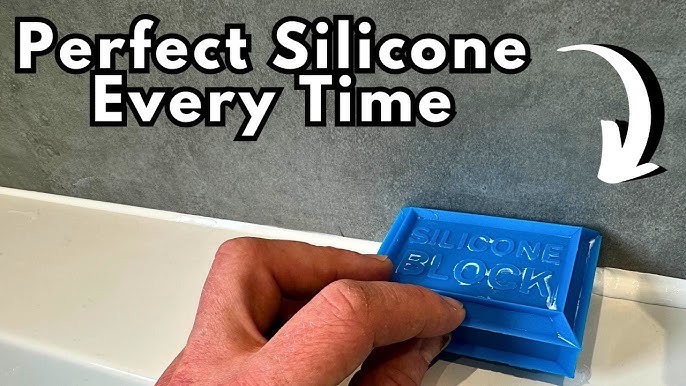
This method works for hairline fractures and pinholes where the cooler walls haven’t separated. It’s the fastest fix for minor damage but requires precision to prevent re-leaking.
Proper Surface Grooving Technique

Sand a V-shaped groove along the crack using 80-grit paper—this creates a “reservoir” for sealant to anchor into. The groove should be twice as wide as the crack at the surface and taper inward. Wipe away all dust with alcohol-dampened cloth, then blow compressed air across the groove (a straw works in a pinch). Pro tip: Chill the cracked area with ice for 5 minutes before sanding—cold plastic resists further cracking. If the crack bleeds water when squeezed, plug it temporarily with baking soda (it swells to block leaks) while prepping.
Applying Marine-Grade Silicone Correctly
Squeeze clear 100% silicone sealant (like GE Marine) directly into the groove until it overflows. Use a plastic putty knife dipped in soapy water to press sealant deep into the V-shape—never smooth with a dry tool. Work in 3-inch sections to prevent premature drying. For interior cracks, apply sealant to both sides if accessible. Cure time is non-negotiable: wait 24 hours before light handling, 48 hours before filling with ice. Warning: Standard bathroom silicone contains mold inhibitors unsafe for food contact—always verify “food-safe” or “marine-grade” labeling.
Structural Repairs for Large Cracks and Holes
Cracks longer than 2 inches or in high-stress zones (corners, handle mounts) require epoxy reinforcement. This restores load-bearing strength while creating a waterproof barrier.
Creating the Perfect Epoxy Bonding Surface
Rough-sand a 3-inch radius around the crack with 80-grit paper until the plastic loses its shine. Wipe with alcohol, then dry-sand again with 120-grit for optimal adhesion. For deep cracks, drill 1/8-inch “stop holes” at both ends to prevent spreading. Critical step: Heat the area with a hair dryer for 2 minutes—warm plastic accepts epoxy better than cold. Mix marine epoxy (like West System) in exact 1:1 ratios; improper mixing causes sticky, failed repairs. Apply a thin “wetting coat” over the sanded area before filling the crack.
Epoxy Application and Clamping Secrets
Press thickened epoxy (add colloidal silica thickener) into the crack with a plastic stick until it oozes out. Immediately lay fiberglass mesh over the repair, saturating it with more epoxy. Clamp firmly using ratcheting straps—not metal clamps that dent plastic. For interior repairs, apply pressure from outside with foam blocks. Cure at 70°F+ for 12 hours minimum. Time-saver: Accelerate curing by placing the cooler in a warm car trunk (never direct sun—overheating warps plastic). Sand cured epoxy flush with 220-grit paper before the final coat.
Reinforcing Weak Spots to Prevent Re-Cracking
Even successful repairs fail if stress concentrates on the same spot. Reinforcement distributes force across a wider area—essential for corners and lid hinges.
Internal Patching for High-Stress Zones
Cut a fiberglass cloth patch 1.5x larger than the repair. Mix epoxy with 10% acetone to thin it for better cloth saturation. Apply a base coat to the cooler interior, lay the cloth, then saturate it until translucent. Use a plastic squeegee to remove air bubbles—trapped air creates weak spots. For food safety, seal the patch with food-grade polyurethane after curing. Pro tip: Shape patches with rounded corners (not squares) to prevent edge lifting. Allow 72 hours full cure before testing—epoxy reaches 90% strength at 24 hours but needs days for maximum durability.
Exterior Armor for Impact-Prone Areas
For cracks near wheels or corners, add a protective outer layer: Apply marine epoxy over 3 layers of fiberglass cloth, staggering seams like brickwork. Sand between coats with 150-grit paper. Finish with UV-resistant clear coat to prevent sun degradation. Warning: Never use metal reinforcement on cooler exteriors—dissimilar materials cause galvanic corrosion when wet. This armor adds minimal weight but doubles impact resistance, crucial for truck-bed transport.
Final Testing and Leak-Proofing Your Repair
Don’t assume it’s fixed after curing. Fill the cooler with water to the crack level and wait 24 hours. Check underneath with paper towels—any moisture shows as dark spots. For hidden leaks, add food coloring to the water; stains reveal even micro-seepage. Critical test: Place the cooler on uneven ground while full to simulate real-world stress. If leaks persist, re-sand and apply a second epoxy coat—never layer new sealant over uncured material. Once waterproof, condition the repair by gradually exposing it to cold: start with cool water, then ice, before full freezer temps.
Preventing Future Cracks: Proactive Care Tactics
Avoid becoming a repeat customer for how to repair cracked cooler emergencies. Never stack heavy gear on coolers—exceeding weight limits stresses seams. After trips, store with the lid propped open to prevent moisture-trapped warping. For winter storage, leave a silica gel pack inside to absorb humidity that expands cracks during freezing. Expert insight: Rotate coolers seasonally—using multiple units prevents over-stressing one model. Inspect quarterly for hairline cracks using a flashlight at a 45-degree angle; early detection makes repairs 70% easier.
Final Note: A properly repaired cooler often outperforms new units by addressing factory weaknesses. Focus on thorough surface prep and strategic reinforcement—these two steps determine 90% of repair success. When your next adventure leaves others struggling with leaky coolers, you’ll be the one sharing repair tips while sipping perfectly chilled drinks. For roto-molded coolers with deep structural damage, consider professional plastic welding services that use temperature-controlled guns matching polyethylene’s 250°C melting point—this industrial method fuses plastic at a molecular level for near-permanent fixes. Always prioritize food-safe materials when repairing ice chests storing consumables, and remember: the best cooler is the one you’ve mastered how to repair cracked cooler issues on yourself.