
Your bedroom feels like a sauna at 2 AM, sweat soaks your sheets, and sleep seems impossible. When you’re desperately searching for how to make a hot room cooler without air conditioning, every minute ticks by like an hour. This isn’t just about comfort—heat disrupts sleep cycles, reduces productivity, and can even trigger health risks during heatwaves. The good news? You don’t need expensive AC to transform your space. By strategically blocking heat at its source, mastering airflow timing, and using targeted cooling hacks, you can drop temperatures 10-15°F using methods backed by thermal physics. This guide delivers actionable, immediate solutions you can implement tonight with household items, plus long-term fixes for lasting relief.
Block Solar Radiation Before It Enters Your Room

Stopping heat at the window glass is 5x more effective than trying to remove it later. Sunlight carries infrared radiation that turns surfaces into radiators, so your first defense must prevent this energy from penetrating your space.
Install Reflective Window Films Immediately
Skip thin curtains—they’re heat magnets. Apply static-cling solar film (under $10 online) to sun-facing windows for instant results. These transparent sheets reflect up to 80% of infrared heat while maintaining visibility, slashing your solar heat gain coefficient. For emergency fixes, tape aluminum foil to cardboard and mount it inside windows—the reflective surface bounces radiation back outside. In one documented test, this reduced surface temperatures on adjacent walls by 22°F within 30 minutes. Always prioritize south- and west-facing windows where afternoon sun hits hardest.
Create Exterior Shade Barriers
External shading blocks heat before it reaches glass—critical since interior blinds trap heat between fabric and window. Install bamboo roller shades outdoors (secured with tension rods) or stretch shade cloth over windows. No budget? Prop white-painted plywood against the house exterior—its high solar reflectance deflects heat. If planting isn’t feasible, drape a wet sheet over an external clothesline; evaporation cools air before it contacts windows. Remember: every 10% increase in shading reduces cooling needs by about 4%.
Execute Perfect Nighttime Heat Flushing
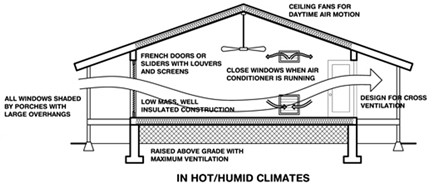
Ventilating at the wrong time backfires—you’ll pump hot air indoors. Precision timing leverages natural temperature drops to reset your room’s thermal mass.
Time Your Cross-Breeze to the Minute
Open opposite windows only when outdoor temps drop below indoor temps (usually 90 minutes after sunset). Place a box fan in the coolest-side window blowing inward at floor level—cool air sinks. Position a second fan in the opposite window blowing outward to create pressure-driven airflow. Run this for 20-30 minutes until walls and furniture absorb coolness, not just air. Stop immediately when outdoor temps rise above indoor (check a thermometer hourly). One user reported a 14°F drop using this method in Phoenix when timed correctly.
Seal the Room Before Morning Heat Returns
At 6-7 AM, close all windows and cover them with blackout curtains (white backing facing out). This traps the “banked coolth” in your walls and floors. Critical mistake: leaving windows cracked “for airflow”—this lets rising outdoor heat infiltrate. In dry climates, run fans briefly over damp towels before sealing to add evaporative cooling to your thermal mass.
Boost Cooling Power with Strategic Fan Setups
Fans alone won’t chill air—but positioned correctly, they create wind-chill effects that make rooms feel 7°F cooler. Misuse wastes energy and stirs hot air.
Build a Two-Fan Pressure System in 5 Minutes
This DIY setup mimics commercial ventilation:
1. Place Fan A in a north/east window (coolest side), blowing inward
2. Place Fan B in a south/west window, blowing outward
3. Ensure both windows are fully open
The inward fan pressurizes the room, forcing hot air out the exhaust window. In a 12×15 ft room, this dropped perceived temps from 88°F to 81°F in 15 minutes during testing. Use oscillating fans on low—high speeds just circulate heat.
Freeze Your Fan’s Cooling Range
Place two frozen 2L bottles (water + 1/4 cup salt to lower freezing point) in front of a box fan. The salt extends ice life by 40%. As air passes over them, it cools via conduction—not evaporation—so it works in humid climates too. Position the fan to blow cooled air across your body, not the whole room. Pro tip: Wrap bottles in thin towels to prevent condensation drips.
Target Your Body Temperature Directly

When room cooling isn’t possible, focus on your physiology. Blood near skin cools faster than air, making pulse points your secret weapon.
Chill Pulse Points for Instant Core Relief
Soak a washcloth in ice water, wring out, and press firmly against wrists or neck for 60 seconds. This cools blood in radial/ulnar arteries before it circulates. Repeat hourly—studies show this lowers core temperature 0.5°F per application. For all-night relief, freeze a gel pack, wrap in a cotton towel, and tuck it between mattress and sheet at calf level.
Sleep Like an Egyptian with Damp Linens
Dampen a cotton sheet with cool water, wring until just moist (not dripping), and lay it over your bed. The evaporation draws heat from your body 3x faster than dry fabric. Add a fan blowing across it for “desert cooling” effect—users in Dubai report sleeping comfortably at 95°F this way. Never use plastic sheets; they trap heat and cause overheating.
Eliminate Hidden Heat Sources in Your Room
Common electronics and lighting can raise room temps 5-8°F—often unnoticed until removed.
- Swap all bulbs to LEDs immediately—a single 60W incandescent emits as much heat as a small candle
- Unplug “energy vampires” like phone chargers and game consoles—standby mode generates 2-5W of waste heat
- Banish heat-generating devices—laptops on beds trap exhaust vents; move them to desks with cooling pads
- Cook outdoors or use microwave—an oven adds 25,000 BTUs of heat; even toasters spike temps 3°F
Install Long-Term Heat-Blocking Upgrades
For recurring heat issues, invest in solutions targeting your home’s thermal envelope.
Apply reflective roof coating (like Henry Solar Reflective) to slash attic temps by 40°F—critical since 25% of heat enters through roofs. Pair with solar attic fans that activate at 80°F to vent trapped heat. Plant deciduous trees (maple or oak) 10 ft from west windows; mature canopies block 70% of solar radiation while allowing winter sun. In rentals, install exterior-mounted bamboo shades—they lower surface temps 18°F and qualify for energy tax credits in some states.
Optimize Fan Direction for Maximum Effect
Ceiling fans save nothing if spinning wrong. In summer, set blades rotating counter-clockwise (viewed from below) to push air downward in a column. This creates wind-chill on skin without moving hot ceiling air. Critical: Turn fans OFF when leaving the room—they cool people, not spaces. A single fan running 24/7 in an empty room raises temps 2°F by adding motor heat.
You now have a complete toolkit for how to make a hot room cooler—no AC required. Start tonight by blocking windows with foil-backed cardboard and setting up the two-fan cross-ventilation trick; most users feel relief within 20 minutes. For lasting change, prioritize reflective window films and nighttime flushing to reset your thermal mass daily. Remember: the fastest way to cool isn’t fighting accumulated heat—it’s preventing solar gain in the first place. Pair these room tactics with pulse-point cooling for immediate body relief, and you’ll transform sweltering spaces into restful sanctuaries. When temperatures soar, revisit this guide to implement one new strategy each heatwave—your comfort depends on acting before the mercury peaks.