You’re sweating through another scorching afternoon in Phoenix when your neighbor mentions their $20 electric bill for cooling. They swear by their swamp cooler—but you’re skeptical. How effective is a swamp cooler really when temperatures hit 110°F? Unlike traditional AC, these units don’t magically freeze the air. They rely on a simple natural process: evaporation. If your climate is dry enough, they slash energy bills while flooding your home with fresh air. But install one in a humid region, and you’ll get a costly, mold-breeding humidifier. Let’s cut through the hype with hard facts about when swamp coolers deliver dramatic cooling and when they fail completely.
Swamp coolers thrive where humidity stays below 50%—think desert cities like Las Vegas or Albuquerque. They pull in hot outside air, force it through water-soaked pads, and leverage evaporation’s cooling effect. As water transforms from liquid to vapor, it absorbs heat, dropping air temperatures by 15–25°F. But this only works if the air can absorb moisture like a dry sponge. In humid zones? That sponge is already soaked, rendering the cooler useless. Understanding this single principle determines whether your swamp cooler becomes a summer savior or a $500 paperweight.
Why Low Humidity Makes or Breaks Your Swamp Cooler
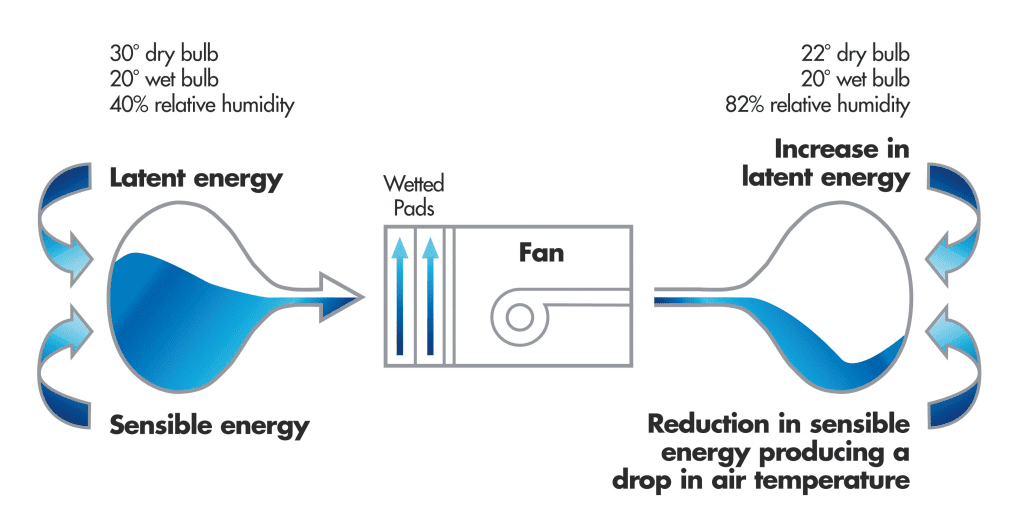
Swamp coolers fail instantly when humidity rises above 60%. Here’s why:
How Evaporative Cooling Actually Works (Without the Jargon)
A water pump constantly wets cellulose or aspen fiber pads. When a powerful fan pulls dry air through these pads, rapid evaporation occurs. Each gram of evaporated water removes 540 calories of heat—slashing temperatures efficiently. But high humidity cripples this process. At 70% humidity, evaporation slows to a trickle, leaving air barely cooler than outside. You’ll feel sticky instead of refreshed, with no meaningful temperature drop.
Spotting the “Sweet Spot” Climate for Maximum Cooling
Your location dictates effectiveness:
– ✅ Works brilliantly: Desert Southwest (Phoenix, Tucson, El Paso), where summer humidity averages 20–30%
– ⚠️ Marginal results: High-plains areas like Denver during dry spells
– ❌ Total failure: Coastal regions (Miami, Houston) or humid Midwest summers
Check your area’s average dew point. If it regularly exceeds 55°F, skip the swamp cooler. Below 50°F? You’ve hit the jackpot for evaporative cooling.
5 Concrete Advantages You Won’t Get From Traditional AC
Slash Energy Bills by Up to 75% Overnight
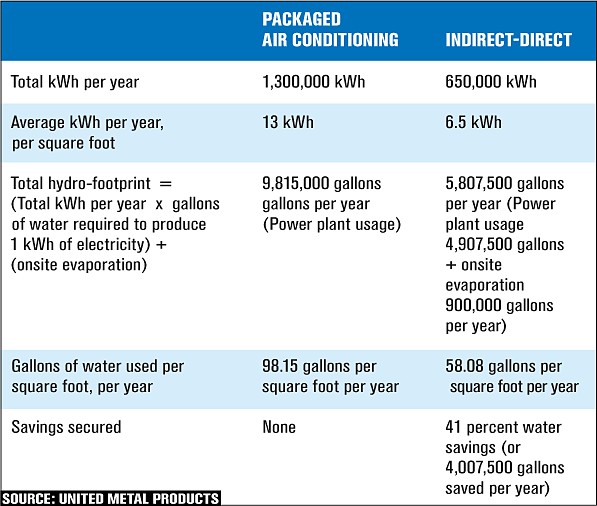
Swamp coolers use a fraction of the electricity of central AC. While a 3-ton AC unit guzzles 3,500 watts, a comparable swamp cooler runs on just 250–700 watts. In Arizona, this translates to $15–30 monthly cooling costs versus $100+ for AC. No refrigerants, compressors, or condenser coils mean minimal power draw—just a fan and water pump.
Breathe Fresh Air Continuously (No More Stale Rooms)
Unlike AC that recirculates indoor air, swamp coolers constantly pull in fresh outdoor air. They exhaust stale, warm air through windows—flushing out odors, VOCs, and indoor pollutants. This natural ventilation is impossible with sealed AC systems, making swamp coolers ideal for allergy sufferers in dry climates.
Avoid $5,000+ AC Installation Costs
A whole-house swamp cooler costs $1,500–$3,000 installed versus $5,000+ for central AC. Even portable units ($100–$500) cool single rooms cheaper than window ACs. No ductwork, refrigerant lines, or electrical upgrades needed—just a window vent and water source.
Critical Limitations That Make Swamp Coolers Fail
Humidity Turns Coolers Into Mold Factories
In humid conditions, swamp coolers don’t just underperform—they actively worsen comfort. By pumping moisture into already saturated air, they create a breeding ground for mold in walls and carpets. One Texas homeowner reported black mold spreading within weeks of running a swamp cooler during humid monsoon season. If your indoor humidity exceeds 60%, shut it off immediately.
Hard Water Clogs Systems Within Weeks
Mineral-rich water leaves chalky scale deposits that choke pads and pumps. In Las Vegas (where water hardness averages 250 ppm), untreated systems clog in 3–4 weeks. You’ll see reduced airflow and a musty smell long before complete failure. Ignoring this turns your cooler into an expensive paperweight by mid-summer.
They Can’t Beat Extreme Heat Alone
When temps soar past 105°F, swamp coolers hit their cooling limit. A unit might only drop indoor temps to 85°F on a 115°F day—uncomfortable for many. In triple-digit heatwaves, pair your cooler with strategic nighttime pre-cooling or supplemental AC in bedrooms.
Maintenance Mistakes That Destroy Effectiveness

Skipping Pad Replacement Guarantees Poor Performance
Worn pads lose 40% of cooling capacity. Aspen pads last 1–2 months in hard water areas; cellulose lasts 3–6 months. If pads feel stiff, smell musty, or show white crust, replace them now. Waiting until season’s end means enduring weak airflow and higher energy use all summer.
Neglecting Off-Season Drainage Causes Costly Damage
Leaving water in the reservoir over winter invites algae and corrosion. Always:
1. Drain the tank completely after last use
2. Scrub with vinegar solution to kill mold
3. Remove pads and store them dry
Skipping this step leads to $200+ pump repairs come spring.
Using Tap Water Without Treatment Clogs Systems Fast
Hard water users must soften or treat water. Add 1 cup of white vinegar to the reservoir weekly, or install an inline water softener ($30). This prevents scale buildup that strangles water flow—keeping cooling efficiency high all season.
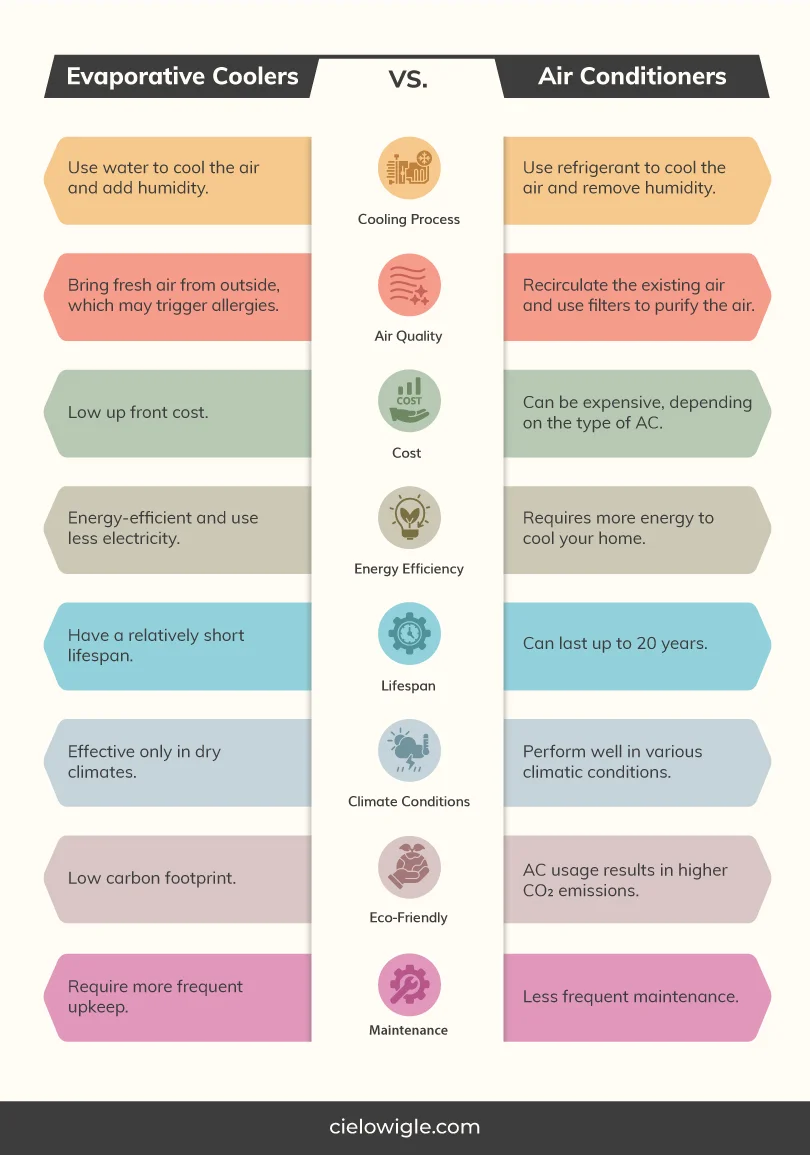
Swamp Cooler vs. AC: Which Actually Cools Better?
| Critical Factor | Swamp Cooler | Traditional AC |
|---|---|---|
| Cooling Drop | 15–25°F below outdoor temp | 20–30°F below outdoor temp |
| Humidity Impact | Fails above 50% humidity | Works best above 60% humidity |
| Energy Cost | $0.03–$0.08/hour | $0.25–$0.50/hour |
| Air Quality | Fresh outdoor air constantly | Recirculates stale indoor air |
| Best Room Temp | 75–80°F (dry climates) | 72–78°F (any climate) |
Key insight: AC wins in humidity, but swamp coolers dominate in dry heat with lower bills and healthier air. Never choose evaporative cooling if your area has frequent “muggy” days.
When to Choose a Swamp Cooler (And When to Run)
Deploy Swamp Coolers Only If…
- Your summer humidity averages below 50% (check historical weather data)
- You have access to softened water or live in a low-mineral area
- You’ll commit to weekly pad checks and vinegar treatments
- You need spot cooling in workshops or garages where humidity matters less
Avoid Completely If…
- Your dew point regularly hits 55°F+ (common east of I-35)
- You can’t open windows for ventilation (modern sealed homes)
- You expect below 75°F temps during heatwaves
- Mold is already a problem in your home
Final Verdict: How Effective Is a Swamp Cooler?
How effective is a swamp cooler? Extremely—if you live in the right desert climate and maintain it religiously. In Phoenix, Tucson, or Albuquerque, a well-tuned unit cools homes for pennies per hour while flooding rooms with fresh air. But install one in Atlanta or Charleston, and you’ve bought an expensive humidifier that hikes mold risks.
The hard truth: No swamp cooler beats AC in humidity. But in dry zones, they outperform AC on cost, air quality, and simplicity. Before buying, check your area’s average summer dew point. Below 50°F? Invest confidently. Above 55°F? Stick with AC. For borderline zones (like Denver), get a hybrid unit with AC backup for humid spells.
Pro Tip: Test effectiveness instantly. On a dry 95°F day, run your cooler for 30 minutes. If indoor temps don’t drop 15°F or humidity exceeds 60%, it’s not working. Shut it off to avoid mold—your wallet and health will thank you. In the right hands, swamp coolers aren’t just effective—they’re the smartest cooling choice on the planet.