You’ve just bought fresh oysters, but they’re already gaping open and drying out in your standard refrigerator. This common frustration reveals a critical truth: how does oyster cooler work fundamentally differs from ordinary cooling systems. Unlike refrigerators designed for dead food, oyster coolers create a carefully controlled ecosystem that keeps bivalves alive and fresh for days after harvest. Commercial kitchens and seafood markets rely on these specialized units to deliver plump, briny oysters that taste like they were just pulled from the ocean – but they’re not simply “cold boxes.” Understanding this distinction is essential for anyone serving or storing live shellfish, as improper storage can kill oysters within hours and create serious food safety risks. In this guide, you’ll discover the science behind oyster coolers and learn how to apply these principles whether you’re running a restaurant or storing oysters at home.
The magic happens through precise environmental control rather than mere temperature reduction. Oyster coolers maintain a delicate balance where shellfish enter a state of suspended animation – their metabolism slows dramatically while they remain alive and breathing. This isn’t about chilling dead seafood; it’s about creating a temporary ocean-like habitat that prevents dehydration and oxygen deprivation. When executed correctly, this system extends oyster shelf life from mere hours to several weeks while preserving their natural liquor and flavor profile. You’ll learn exactly how commercial systems achieve this and practical adaptations for home use that could save your next seafood feast from disaster.
Why 34°F-40°F Is the Oyster Hibernation Sweet Spot
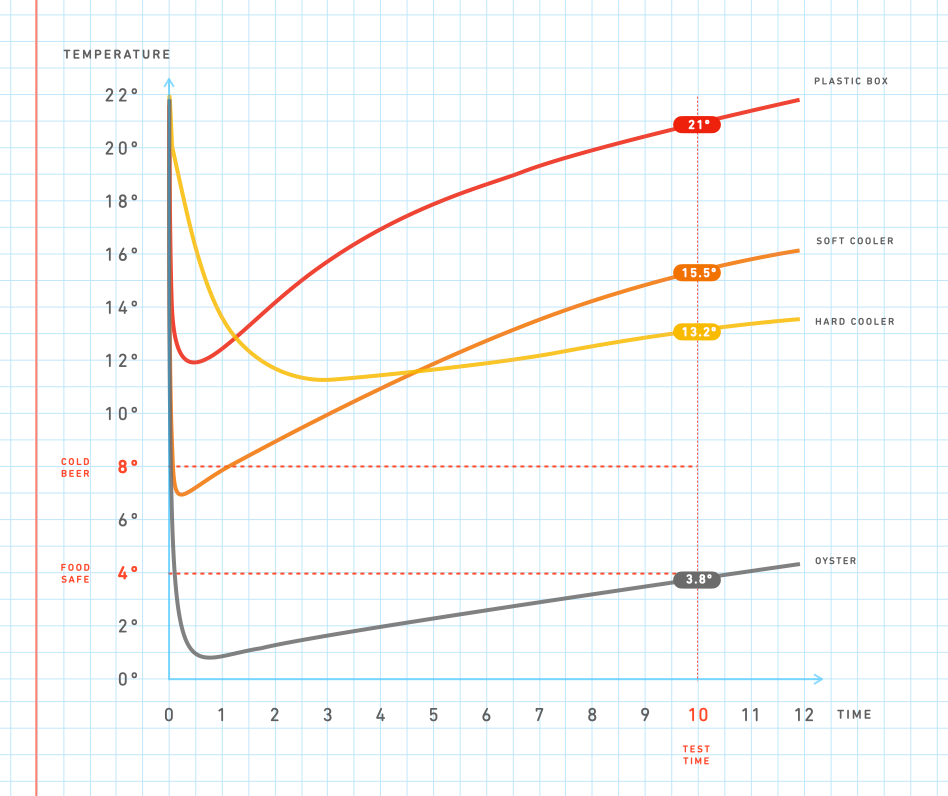
Commercial oyster coolers maintain temperatures between 34°F and 40°F (1°C to 4°C) – a range that’s deceptively precise. This narrow band achieves what home refrigerators cannot: it slows oyster metabolism to near-standstill without triggering fatal freezing. At these temperatures, oysters enter a state of dormancy where they consume minimal oxygen and energy, preserving their internal “liquor” (the precious seawater inside the shell). Crucially, this range stays safely above freezing point while being cold enough to inhibit bacterial growth that causes spoilage.
How Temperature Fluctuations Kill Shellfish Instantly
Even brief exposure to temperatures outside this range proves disastrous. If the environment drops below 32°F, ice crystals form in the oyster’s tissues, rupturing cells and causing death. Conversely, temperatures above 45°F accelerate metabolism, making oysters burn through their energy reserves and deplete their internal liquor within hours. Commercial units solve this with industrial-grade thermostats that maintain ±1°F accuracy – far beyond standard refrigerators that fluctuate 5-10°F during defrost cycles.
Why Your Fridge’s Crisper Drawer Fails Oysters
Home refrigerators compound this problem through inconsistent cooling. The crisper drawer – often recommended for oyster storage – typically runs at 38°F-42°F, flirting with the danger zone. Worse, frequent door openings cause wild temperature swings that stress shellfish. Without commercial-grade insulation, your fridge cannot maintain the stable hibernation conditions oysters require, explaining why they deteriorate so rapidly in home storage.
95-100% Humidity: The Non-Negotiable Lifeline for Live Oysters
While temperature gets attention, humidity is the true make-or-break factor in oyster coolers. These units maintain near-saturation humidity levels (95-100%) through specialized humidification systems – a feature absent in standard refrigeration. Oysters breathe through their gills by filtering moisture from the air when out of water. Below 90% humidity, their gills dry out within hours, causing them to gape open permanently and lose their internal liquor. Once this happens, oysters die rapidly and become unsafe to eat.
How Commercial Coolers Generate Perfect Moisture Balance
Unlike misters that wet shells directly, professional oyster coolers use evaporative systems that saturate circulating air without dripping water. The humid air passes over chilled coils, creating a fog-like environment that keeps shells damp but not soaked. Crucially, these systems include drainage channels beneath storage racks that whisk away condensation and waste liquids. This prevents oysters from sitting in stagnant water – a critical detail since oysters expel waste (“purge”) that would otherwise contaminate them.
The Fatal Mistake of Using Wet Towels at Home
Home storage attempts often fail by misunderstanding humidity needs. Placing oysters on wet paper towels in a container seems logical but backfires: excess water pools around shells, drowning the oysters in their own purge. The solution? Store oysters cup-side down on a bed of ice in a perforated pan that allows meltwater to drain completely away – mimicking the commercial drainage principle with household items.
Why Air Circulation Prevents Suffocation in Oyster Storage
Stagnant air poses a silent killer in oyster storage that most people overlook. As oysters respire slowly in dormancy, they consume oxygen and release carbon dioxide. Without airflow, CO₂ builds up around shells, eventually suffocating the bivalves. Commercial coolers solve this with low-velocity fans that gently circulate humidified air without drying shells – a delicate balance impossible in standard refrigerators where airflow is designed for solid food, not living organisms.
The Drainage-Flow Connection You’re Missing
Effective air circulation depends entirely on proper drainage. When meltwater pools beneath oysters (as happens in unperforated containers), it blocks airflow to the lower shells. Commercial units use sloped floors and mesh racks that elevate oysters above liquids, allowing air to reach all surfaces. At home, this means never storing oysters directly in ice-filled containers – instead, use a colander inside a bowl so air can circulate from below.
3 Deadly Home Storage Mistakes That Kill Oysters Overnight
Storing Oysters Cup-Side Up: The Liquor Drainage Disaster
Positioning oysters with the deep cup facing down isn’t just tradition – it’s physics. The cup-shaped lower shell naturally holds the oyster’s liquor (internal seawater). Store them flat or upside down, and this precious fluid drains out during storage, causing rapid dehydration. Always nestle oysters in ice with the deep cup down, slightly tilted to prevent pooling but maintaining liquor retention.
Sealing Oysters in Plastic Bags: The Suffocation Trap
Putting live oysters in airtight containers or zip-top bags is a guaranteed death sentence. These bivalves require oxygen exchange even in dormancy. Plastic bags trap CO₂ and moisture, creating a humid but oxygen-depleted environment that suffocates oysters within hours. The correct approach: cover oysters with a damp (not wet) cloth in an open container – never sealed.
Ignoring Thermometer Verification: The Temperature Gamble
Assuming your refrigerator runs at “cold” settings is dangerous. Home units often run warmer than labeled, especially in the door compartments. Without a calibrated thermometer resting among your oysters, you’re guessing at safety. Always use a separate refrigerator thermometer placed directly where oysters sit – and never store them near the fridge door where temperatures fluctuate most.
Step-by-Step: Building a Functional Oyster Cooler at Home

Creating the Drainage System That Saves Oysters
- Place a perforated hotel pan or colander inside a solid catch pan (a baking sheet works)
- Add 1-2 inches of crushed ice to the perforated layer
- Arrange oysters cup-side down on the ice
- Cover with a barely damp cloth (wring out thoroughly)
- Store in the coldest part of your fridge (usually bottom rear)
This setup mimics commercial drainage by allowing meltwater to fall away while maintaining humidity through the cloth cover.
Temperature Monitoring Protocol for Safety
Place an instant-read thermometer between oysters immediately after storage. Check every 4 hours for the first day – your target is 33°F-38°F. If readings exceed 40°F, add ice packs beneath the catch pan. Never let oysters sit directly on ice packs; the intense cold can freeze shells. Adjust fridge settings until you achieve stable temperatures.
Emergency Short-Term Storage (12-24 Hours)
For same-day consumption, skip ice entirely: Place unopened oysters in a single layer on a tray, cover with a barely damp linen cloth, and store in your fridge’s vegetable crisper. Check hourly – the cloth should feel cool but not wet. Discard any oysters that gape open when tapped; they’ve already died.
Commercial oyster coolers succeed by treating shellfish as living organisms rather than perishable food. Their precise 34°F-40°F temperature control, 95-100% humidity management, and engineered airflow systems create a temporary ocean habitat that maintains oyster viability for weeks. At home, you can replicate these principles by prioritizing drainage over direct ice contact, never sealing oysters in containers, and verifying temperatures with independent thermometers. Remember that cup-side-down positioning isn’t tradition – it’s essential liquor preservation. By understanding how does oyster cooler work as a life-support system rather than a cold box, you’ll transform your oyster storage from a gamble into a reliable process. For best results, consume home-stored oysters within 48 hours and always inspect for tightly closed shells before serving – your safety depends on respecting these living shellfish’s delicate environmental needs.