
You’re on a weekend camping trip, and as the afternoon sun beats down, you reach into your cooler craving a cold drink. Instead of fishing through melting ice, you simply open a sleek electric cooler that’s been running off your car battery all day—every item inside is perfectly chilled. This modern convenience begs the question: how does an electric cooler work without ice? Unlike traditional coolers that rely on passive cooling, electric models actively remove heat using sophisticated technology. Understanding how does electric cooler work reveals why these portable refrigeration systems have become essential for road trips, camping excursions, and even medical transport where consistent temperatures matter.
Most people assume electric coolers just use “electricity to cool things,” but the reality involves precise thermodynamic principles that vary significantly between models. Whether you’re considering your first purchase or troubleshooting an existing unit, knowing the mechanics behind these devices helps you maximize performance and avoid common pitfalls. This guide breaks down the three primary cooling technologies, explains exactly what happens inside when you plug in your cooler, and helps you determine which type best matches your cooling needs—all without a single ice cube in sight.
Why Your Electric Cooler Outperforms Traditional Ice Chests
When you plug in your electric cooler, it immediately begins active cooling rather than passively slowing temperature rise like ice-dependent models. Electric coolers maintain precise internal temperatures regardless of external conditions, keeping food safely below 40°F (4°C)—a critical factor for preventing foodborne illness during extended trips. Unlike traditional coolers where melted ice creates a soggy mess, electric models keep contents dry while offering dual functionality: many can both chill and heat items. The moment you power on your unit, sophisticated components begin transferring heat from inside to outside, creating that refreshing cold environment you expect.
3 Electric Cooler Technologies That Keep Your Drinks Cold
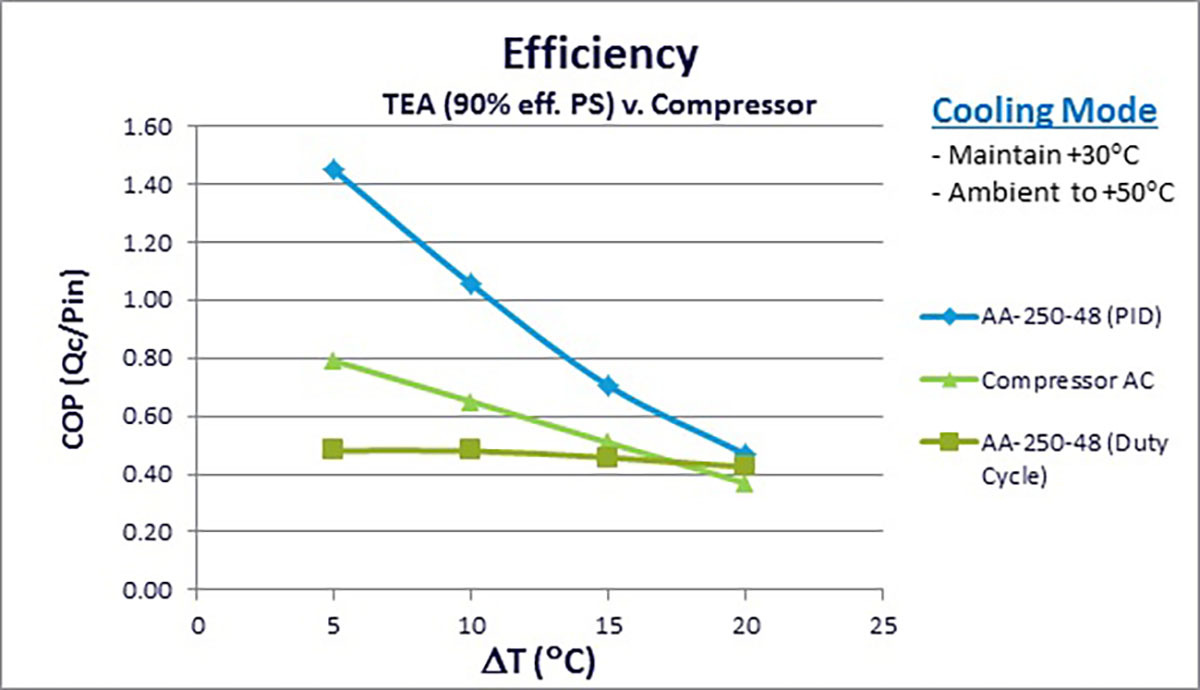
Electric coolers employ three distinct cooling methods, each with unique mechanisms for heat transfer. Understanding how does electric cooler work with each technology helps you select the right model for your specific needs, whether you’re powering from a car battery during a road trip or using shore power at your campsite.
Thermoelectric Cooling: Why Your Budget Cooler Uses No Refrigerant
Thermoelectric coolers operate through the Peltier effect, a solid-state cooling process with no moving parts except fans. When you connect your thermoelectric cooler to a 12V power source, direct current flows through semiconductor materials in the Peltier module, creating a temperature differential across its surface. The cold side absorbs heat from your cooler’s interior while the hot side dissipates it outside through aluminum fins.
What to watch for during operation:
– Listen for the internal fan cycling on and off
– Feel the exterior vents for warm airflow (this is normal heat dissipation)
– Expect maximum cooling of about 30-40°F below ambient temperature
These units work best when pre-chilled with ice packs before your trip, as they struggle to cool room-temperature items significantly. While less efficient than compressor models, thermoelectric coolers cost less, weigh less, and operate silently—making them ideal for short trips where extreme cold isn’t required.
Compressor-Based Cooling: How Premium Coolers Achieve Freezer-Like Temperatures
When you need true refrigeration performance in the field, compressor coolers deliver what thermoelectric models cannot. These operate identically to household refrigerators but in a portable package. The moment you power on a compressor cooler, the system pressurizes refrigerant gas (typically R134a), creating a continuous heat transfer cycle:
- The compressor pressurizes refrigerant gas, raising its temperature significantly
- Hot gas flows through condenser coils on the exterior, releasing heat to the environment
- High-pressure liquid refrigerant passes through an expansion valve, dropping pressure and temperature dramatically
- Cold refrigerant moves through evaporator coils inside the cooler, absorbing interior heat
- The cycle repeats continuously, maintaining your set temperature
Unlike thermoelectric units, compressor coolers can reach temperatures as low as -8°F (-22°C) and cool room-temperature items rapidly. They maintain consistent temperatures even in 100°F (38°C) external heat, making them essential for medical transport or extended off-grid adventures. Expect brief compressor noise during operation—this indicates proper heat transfer.
Absorption Cooling: Why RV Owners Trust This Silent Technology
Though less common in portable models, absorption cooling powers many RV refrigerators through an ingenious chemical process requiring only heat input. When you activate an absorption cooler, an electric heating element warms a solution of water, ammonia, and hydrogen gas. The ammonia vaporizes first, rises to the condenser, releases heat, then liquefies. Gravity pulls the liquid ammonia back down where it mixes with hydrogen gas in the evaporator, creating an endothermic reaction that absorbs interior heat.
Key advantages make this technology popular for stationary applications:
– Virtually silent operation (no moving parts except potential circulation pumps)
– Multiple power options (AC, DC, or propane flame)
– Excellent temperature stability once cooled
However, absorption coolers require proper leveling for optimal performance and cool more slowly than compressor models. They’re ideal for campers with stable power sources but less practical for bumpy road trips.
Critical Parts Inside Your Electric Cooler That Maintain Temperature
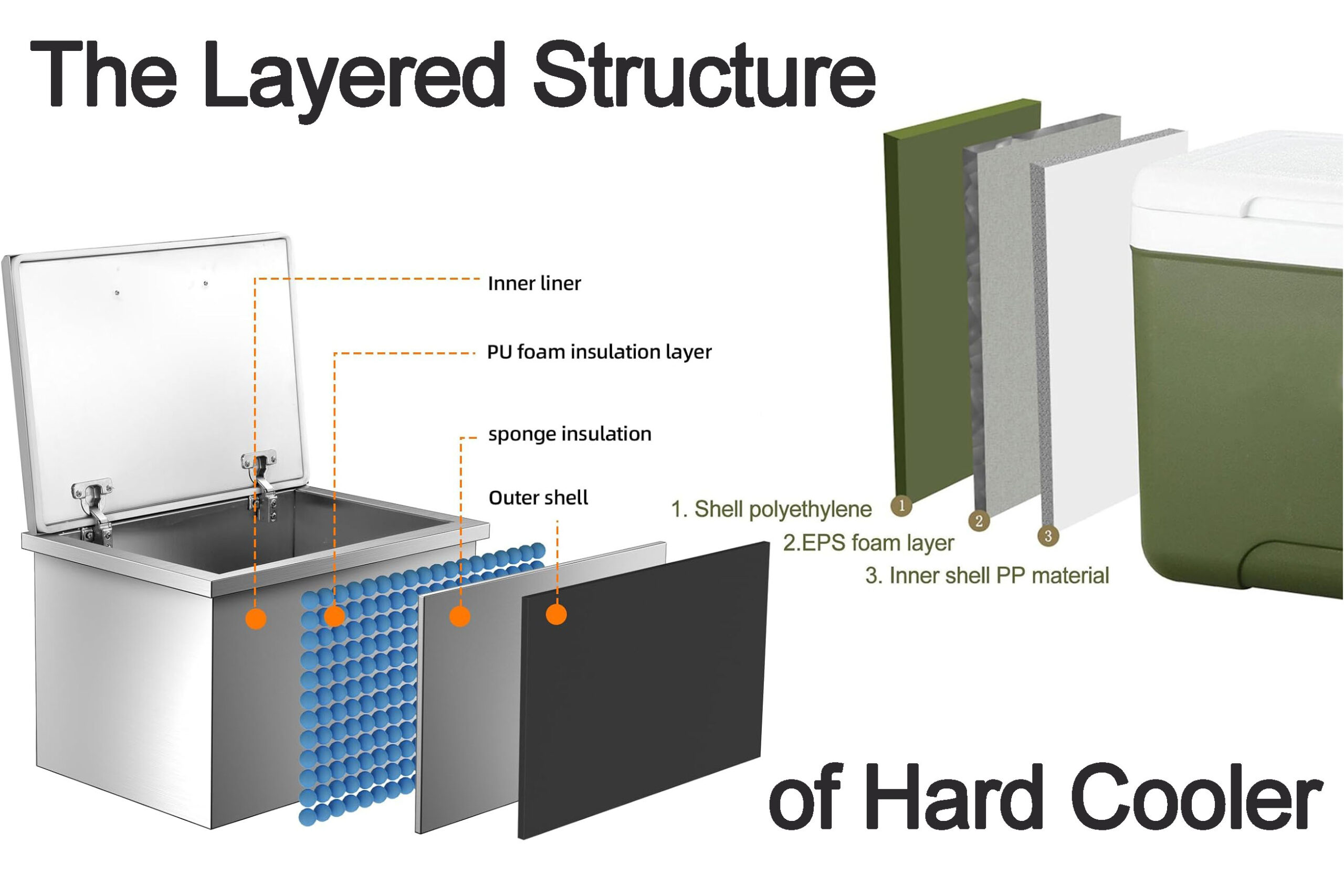
Your electric cooler’s performance depends on components working in perfect harmony beyond just the cooling system itself. Understanding these elements helps diagnose issues and maximize efficiency when you’re wondering how does electric cooler work under the hood.
Insulation quality makes or breaks performance: High-end coolers use 2-3 inches of polyurethane foam insulation, creating a thermal barrier that reduces the cooling system’s workload. Cheaper models with thin walls force the cooling mechanism to run constantly, draining your battery faster. Always check insulation thickness specs before purchasing.
Power management determines real-world usability: Modern coolers feature intelligent circuitry that:
– Automatically switches between AC/DC power sources
– Regulates compressor speed based on temperature demand
– Includes low-voltage protection to prevent battery drain
– Offers USB ports for device charging without affecting cooling
Temperature control systems vary significantly: Basic models use simple thermostats that cycle cooling on/off, while premium units employ inverter technology for continuous, variable cooling that maintains precise temperatures with minimal power consumption.
Electric Cooler vs. Traditional Cooler: Performance Differences That Matter
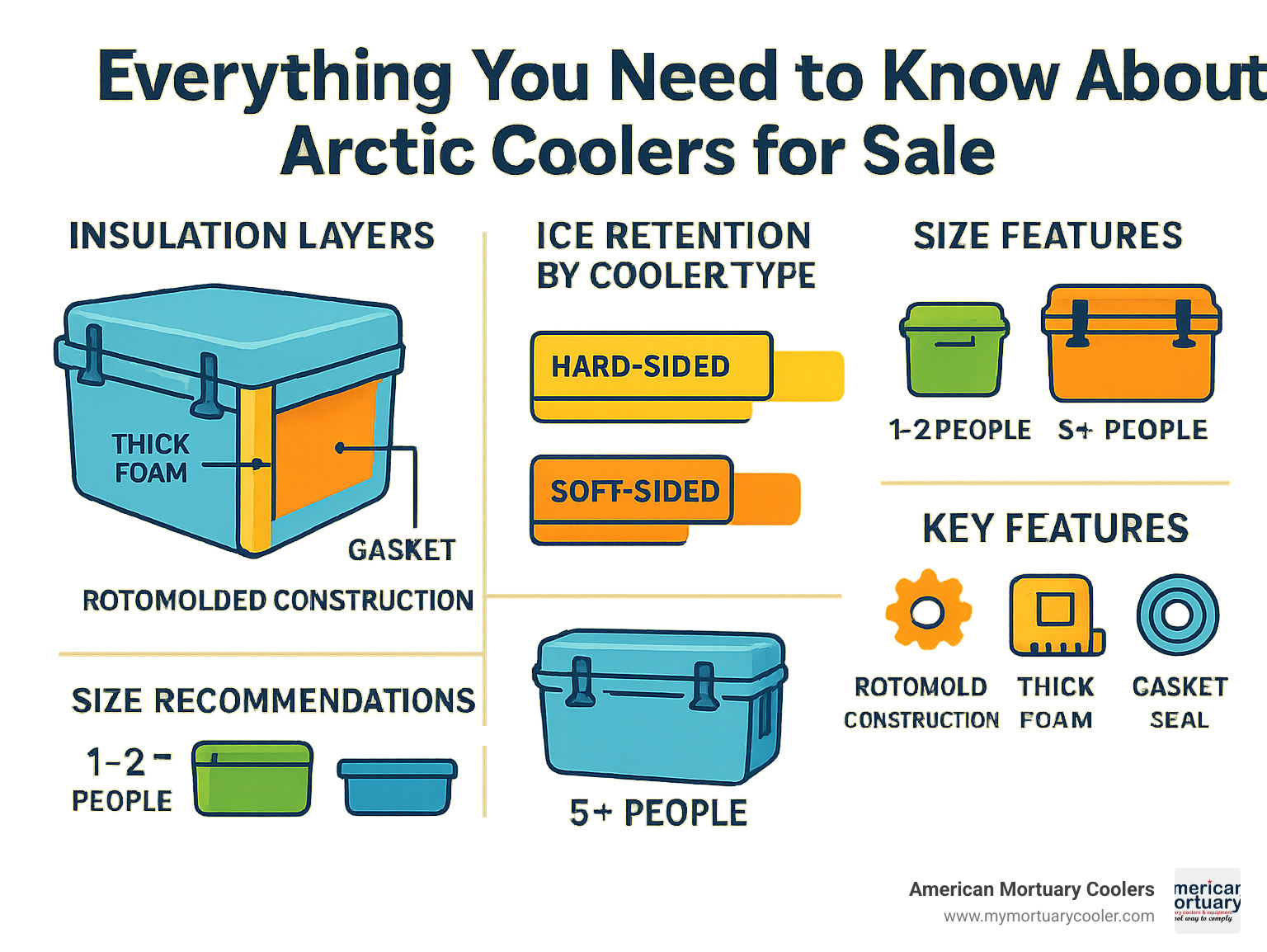
| Critical Factor | Electric Cooler | Traditional Ice Cooler |
|---|---|---|
| Temperature Precision | Maintains exact set temperature (±2°F) | Temperature rises steadily as ice melts |
| Internal Environment | Dry storage—no water pooling or soggy contents | Wet, messy interior requiring constant draining |
| Cooling Duration | Unlimited with power source; maintains cold for weeks | Limited by ice quantity (typically 1-3 days) |
| Power Source Flexibility | Works with car outlets, wall adapters, or power stations | Requires continuous ice replenishment |
| Pre-Cooling Requirement | Must chill interior first (2-4 hours for compressor models) | Immediate cooling but degrades over time |
| Best Application | Extended trips, medical storage, precise temperature needs | Short day trips, tailgating, budget-conscious users |
Why Electric Coolers Beat Ice Chests (And When They Don’t)
Electric coolers deliver game-changing advantages when you understand how does electric cooler work in real-world conditions. The elimination of melting ice means no more ruined food or constant draining—your sandwiches stay crisp and electronics stay dry. Precise temperature control keeps vaccines, insulin, or sensitive foods at medically safe temperatures, a critical advantage over ice coolers where temperatures fluctuate dangerously.
Top benefits you’ll experience immediately:
– Consistent cooling regardless of outside temperature
– Dual functionality (cooling AND heating in many models)
– Extended usability without resupply needs
– No cleanup required after trips
However, electric coolers aren’t perfect for every situation. They require reliable power sources, making them less practical for multi-day backpacking trips without solar charging. Compressor models weigh more than comparable ice chests, and premium units carry significant upfront costs. Thermoelectric coolers struggle in extreme heat and can’t achieve freezer temperatures. Always match your cooler technology to your specific adventure—thermoelectric for weekend car camping, compressor for extended off-grid expeditions.
Maximize Your Electric Cooler’s Performance With These Pro Tips
You’ll get the most from your electric cooler by following these science-backed usage strategies:
Pre-chill everything before departure: Place your cooler and contents in a refrigerator for 12 hours before your trip. This reduces the initial cooling load by up to 70%, significantly extending battery life.
Optimize interior airflow: Leave space between items for air circulation—overpacking creates warm spots. Use organizers that allow 1-2 inches between contents and walls.
Position vents strategically: When using in a vehicle, ensure exterior vents have at least 6 inches of clearance. Blocking vents causes overheating and reduces efficiency by 40% or more.
Monitor power consumption: Compressor coolers draw 3-5 amps when running—calculate your battery capacity to avoid getting stranded with a dead vehicle battery.
Clean condensation regularly: Wipe interior moisture with a dry cloth every 12 hours to prevent mold growth and maintain optimal cooling performance.
Understanding how does electric cooler work reveals why these simple maintenance steps dramatically impact real-world performance. Unlike passive ice coolers that simply slow temperature rise, electric models actively fight heat transfer through sophisticated engineering—making them indispensable for anyone who needs reliable cold storage away from home.
By selecting the right technology for your needs and operating it properly, your electric cooler becomes more than just a convenience—it transforms how you experience outdoor adventures, ensuring every meal stays fresh and every drink remains perfectly chilled from departure to return.