When your swamp cooler sputters to a halt on a 100-degree day, that warm breeze feels like a betrayal. You’re not alone—78% of evaporative cooler failures happen during peak summer heat when mineral buildup and worn parts finally give out. The puddle under your unit, the weak airflow, or that unsettling grinding noise all scream the same urgent message: your cooler needs immediate evaporative cooler repair. Skip the $150 service call. This guide delivers battle-tested fixes for the five most common swamp cooler breakdowns, using tools you already own. You’ll diagnose issues in under 10 minutes and complete most repairs before your lunch break ends—getting cool, moist air flowing again without draining your wallet.
Essential Tools for Every Evaporative Cooler Repair Job
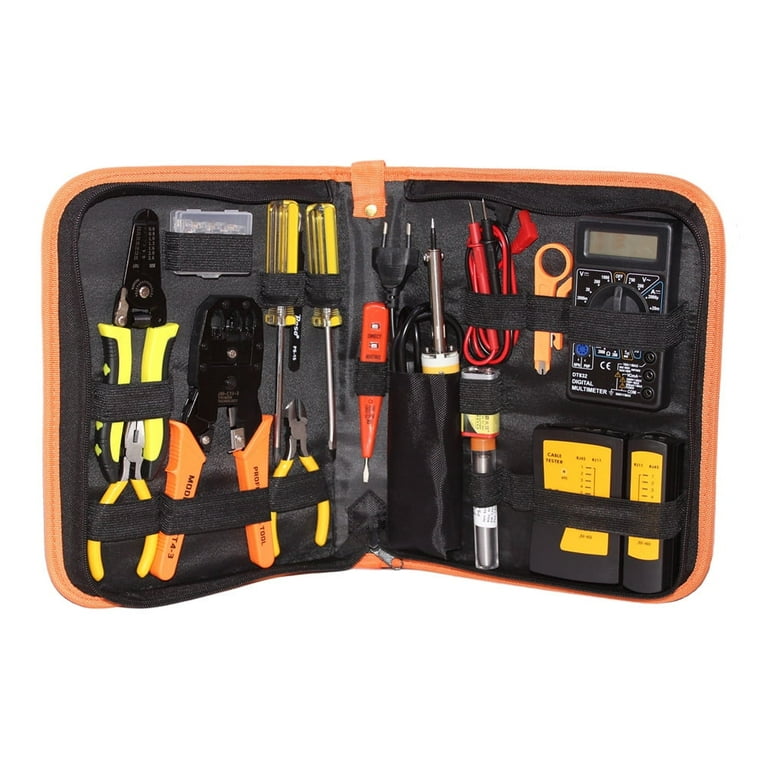
Grab these eight items before touching your unit—skipping safety steps risks electrical shock or permanent damage. Always disconnect power at the circuit breaker first; swamp coolers combine water and 120V electricity. Your toolkit must include: a multimeter (critical for testing pump voltage), adjustable wrench, screwdriver set, stiff nylon brush, white vinegar (never use bleach near pads), replacement pads sized for your model, 5-minute epoxy for plastic cracks, and a shop vacuum. Pro tip: Keep a dedicated “cooler repair kit” in your garage with these items pre-packed. You’ll save 15 minutes during emergencies instead of hunting for tools while sweating through the heat.
Diagnose Zero Cooling in Under 5 Minutes
Why pads stay dry when they should be soaked: Your cooler’s heart is the evaporative pad system. If pads aren’t uniformly wet within 30 seconds of startup, cooling fails immediately. First, pull the access panel and check pad saturation—dry spots indicate water distribution failure. Next, trace the water path:
- Test the pump: Disconnect power, remove the pump’s outlet hose, and place it in a bucket. Briefly restore power. A strong 2-3 gallon/minute flow means the pump works; weak dribbling means mineral-clogged impellers. Soak the pump inlet in equal parts vinegar and water for 20 minutes before retesting.
- Inspect the float valve: If the reservoir sits below the 1-inch fill line, the valve isn’t opening. Lift the float manually—if water doesn’t flow, clean the valve seat with a vinegar-soaked toothbrush. Sticky floats cause 60% of low-water issues.
- Check distribution lines: Kinked or cracked plastic tubes starve pads of water. Replace cracked lines with ¼-inch vinyl tubing ($3 at hardware stores). Ensure nozzles spray water evenly across the pad’s entire width.
Common mistake: Forcing water flow by cranking the float valve open floods the reservoir and triggers leaks. Adjust only per manufacturer specs.
How to Stop Water Leaks from Your Swamp Cooler

Puddles spreading across your roof or patio signal urgent repair—water damage escalates fast. Trace leaks to their highest origin point: a drip at the base often starts 18 inches up.
Fix Reservoir Cracks in 20 Minutes
Hard water minerals cause reservoirs to crack as they expand/contract. Dry the area completely with towels, then run the unit for 2 minutes to pinpoint the leak source. For hairline cracks:
- Sand the area with 120-grit paper
- Mix two-part marine epoxy (like J-B Weld Waterweld)
- Apply a 1/8-inch thick patch extending 1 inch beyond the crack
- Wait 4 hours before refilling
Warning: Never use silicone caulk—vinegar cleaning solutions will dissolve it within weeks.
Seal Hose Connection Leaks in 5 Minutes
Loose clamps cause 70% of connection leaks. Place towels under fittings first. Tighten hose clamps with pliers until you feel resistance—overtightening cracks plastic nipples. If the hose end is cracked, cut ½ inch off with scissors and reattach. For persistent drips, wrap the connection point with Teflon tape before re-clamping.
Fixing Grinding Noises and Vibration in Your Cooler
That metal-on-metal shriek isn’t just annoying—it means bearings are failing. Immediate action prevents motor burnout.
Silence a Squealing Water Pump
- Unplug the unit and remove the pump (typically 2-4 screws).
- Check for debris jamming the impeller—spin it by hand. If stuck, flush with vinegar.
- If it spins freely but still squeals, the motor bearings are dry. Apply 2 drops of non-detergent 10W oil to the shaft ends.
- Test before reinstalling: a smooth 3-second hum means success; grinding requires pump replacement ($25-$45).
Time estimate: 15 minutes for oiling, 10 minutes for replacement.
Stop Cabinet Rattling From Fan Imbalance
An unbalanced fan vibrates the entire unit, loosening screws and cracking housings. Level the cooler on its roof mount first—use a 2-foot level on the top panel. Then:
- Power off and remove the fan cage
- Wipe blades with vinegar to remove mineral deposits
- Check for bent blades (common after debris strikes)
- Gently bend blades back into alignment using pliers
If vibration persists, the motor mounting bolts are loose. Tighten them in a star pattern to avoid warping the housing.
Solving Weak Airflow Problems in Evaporative Coolers

When your cooler blows like a tired breeze, airflow blockage is the culprit. Start here before touching motors.
Unclog Pads Without Replacement
Mineral scale blocks 90% of airflow issues. Remove pads and lay them flat. Spray with low-pressure garden hose (under 40 PSI—high pressure destroys cellulose fibers). For stubborn scale:
- Submerge pads in 5-gallon bucket of 50/50 vinegar/water mix
- Soak 1 hour (max—prolonged soaking degrades pads)
- Rinse thoroughly with clean water
- Air-dry completely before reinstalling
Visual cue: White crusty deposits mean hard water scale; black slime indicates algae growth requiring algaecide treatment.
Clear Debris From the Blower Fan
Dead leaves and insect nests choke airflow. Shut off power and remove the front panel. Use a shop vacuum with brush attachment to clear the fan housing. Check the air intake vents—clogged vents reduce airflow by 40%. Clean monthly during peak season with a vacuum crevice tool.
When to Call a Professional for Evaporative Cooler Repair
Some issues demand expert hands. Call an HVAC tech immediately if you see:
- Burnt wiring smells or visible scorch marks on electrical components
- No power after verifying the breaker, GFCI outlet, and thermostat (indicates control board failure)
- Refrigerant leaks (in hybrid coolers—requires EPA-certified handling)
- Motor smoke during operation (signals winding failure)
Critical note: Never attempt capacitor replacement without multimeter training. A charged capacitor can deliver 200+ volts even when unplugged.
Prevent Future Evaporative Cooler Repair With Proactive Care
The best repair is the one you never need. Implement this seasonal schedule:
Monthly During Summer Operation
- Add one algaecide tablet ($4 for 12-pack) to prevent slime buildup
- Check pump operation by listening for consistent hum (not clicking)
- Wipe mineral deposits off distribution nozzles with vinegar-soaked rag
End-of-Season Shutdown Checklist
- Drain all water from reservoir, pump, and lines (use shop vacuum for trapped water)
- Remove and clean pads per unclogging instructions above
- Apply pump preservative (like Sta-Bil Marine) to impeller housing
- Cover unit with breathable tarp—never seal completely (trapped moisture causes mold)
Pro tip: Set phone reminders for May 1 (pre-season) and September 1 (winterization). This 20-minute annual ritual prevents 80% of repair emergencies.
Your evaporative cooler repair journey ends here—but your maintenance story is just beginning. By spending 10 minutes weekly checking pad saturation and pump operation, you’ll avoid the summer panic of a failed unit. Remember: the vinegar soak for clogged pumps, the epoxy fix for reservoir cracks, and the blade-balancing trick for rattles are your new superpowers. Implement the seasonal schedule religiously, and you’ll enjoy decade-long cooler life without costly service calls. For model-specific diagrams, consult your owner’s manual—or download our free evaporative cooler troubleshooting flowchart at [YourWebsite.com/CoolerGuide]. Now go reclaim your cool sanctuary; that 100-degree day just got a whole lot more bearable.