
Your walk-in cooler’s sudden temperature spike isn’t just an inconvenience—it’s a ticking time bomb for $3,000 worth of spoiled inventory. When condenser coils clog with grease in a busy restaurant kitchen or evaporator fans fail in a grocery store display case, every minute of downtime costs money. This commercial cooler repair guide delivers actionable fixes for the 7 most devastating failures, verified by EPA-certified technicians. You’ll learn to diagnose issues by sound, prevent FDA violations through maintenance, and know exactly when to call professionals—saving thousands in emergency service fees and lost inventory.
Why Your Commercial Cooler Isn’t Cooling Below 40°F (and Immediate Fixes)
Temperature fluctuations in reach-in coolers or walk-in units typically trace back to airflow or refrigerant issues that escalate rapidly if ignored. A clogged condenser coil—especially in greasy commercial kitchens—forces compressors to overwork, causing temperatures to creep above critical 40°F food safety thresholds within hours.
Cleaning Clogged Condenser Coils in 10 Minutes
Unplug the unit and locate coils (usually at the back or base). Use a soft brush to dislodge dust/debris, then blast with compressed air away from the coil fins. Never use water—moisture attracts more grime. For deli cases in high-humidity environments, perform this weekly. Pro tip: Coat coils with anti-static spray after cleaning to repel future buildup.
Diagnosing Evaporator Coil Frost Buildup
Heavy frost on evaporator coils indicates defrost system failure. In prep tables or wine coolers, this causes inconsistent cooling that spoils temperature-sensitive products. Test defrost components:
1. Check defrost heater continuity with a multimeter (no reading = faulty heater)
2. Verify defrost thermostat clicks when cold (0-15°F range)
3. Inspect defrost timer for stuck contacts
Critical: Never chip ice off coils—this damages fins. Thaw completely before testing.
The Dollar Bill Seal Test for Door Gaskets
Warm air infiltration from failing gaskets is the #1 cause of temperature swings in reach-in coolers. Close a dollar bill in the door seam—smoothly pull it out. If resistance is weak or the bill slips freely, replace the gasket immediately. For walk-in coolers, check all four corners; torn gaskets increase energy use by 27% according to ASHRAE data.
Stop That Grinding Noise: Critical Compressor & Fan Motor Repairs
Unusual sounds signal imminent failure. A grinding condenser fan motor in a beverage cooler will seize within days, causing catastrophic compressor burnout. Conversely, a “hard starting” compressor clicking repeatedly indicates failing start components—a $50 fix versus $1,200 replacement.
Replacing a Burned-Out Condenser Fan Motor
1. Disconnect power and lock out/tag out the circuit
2. Remove protective grill and fan blade (note blade direction)
3. Test motor windings: Below 100 ohms = shorted windings (replace)
4. Install new motor with same RPM rating—mismatched speeds cause overheating
Warning: Never bypass fan safety switches—this triggers high-pressure lockouts.
Diagnosing Hard Starting Compressors

If your ice machine compressor hums but won’t start, test:
– Start capacitor: Swollen casing or <80% rated capacitance = faulty
– Potential relay: No “click” when power applied = replace
Pro tip: Tap the compressor lightly with a screwdriver handle—temporary start indicates failing start components. But if oil leaks from the casing, the compressor is shot.
Eliminate Water Leaks from Your Walk-in Cooler Drain System
Water pooling inside cases or under reach-in units usually means a clogged condensate drain—especially problematic in humid climates where algae grows rapidly. Left unchecked, overflow damages flooring and creates slip hazards violating OSHA standards.
Unclogging a Blocked Condensate Drain Line
1. Locate the drain line (follow tubing from evaporator pan)
2. Flush with 50/50 vinegar-water solution using a baster
3. For stubborn clogs, insert a 1/4″ flexible coil snake gently—kinking the line causes permanent damage
4. Install an inline filter at the pan outlet to catch debris
Critical: Tilt the unit slightly toward the drain during reassembly—level cases won’t drain properly.
Preventing Frost Buildup on Evaporator Coils
Frost around cooler doors indicates warm, moist air infiltration. In medical refrigerators storing vaccines, this causes dangerous temperature excursions. Solutions:
– Replace cracked door heaters (test with multimeter for continuity)
– Install air curtains above walk-in entrances in high-traffic areas
– Never leave doors ajar—use alarms that trigger after 10 seconds
Prevent Costly Breakdowns with These 5 Maintenance Checks
Proactive maintenance cuts emergency repairs by 68% (per industry data). These FDA-compliant checks take minutes but prevent spoilage and regulatory fines.
Weekly: Coil Cleaning & Door Gasket Inspection
- Condenser coils: Brush clean every 7 days (daily in pizzerias/fry kitchens)
- Door seals: Perform dollar bill test weekly—replace if >1/8″ gap visible
- Drain pans: Empty and sanitize to prevent mold in ice machines
Monthly: Defrost System & Drain Line Verification
- Manually initiate defrost cycle—evaporator coils should fully clear ice in 25 mins
- Check defrost heater amp draw (typically 3-5 amps)
- Pour 1 cup of hot water down drain line—should flow freely in <10 seconds
Warning: Skipping this causes evaporator coil icing that mimics refrigerant leaks.
Annually: Professional Refrigerant & Electrical Inspection
Certified technicians must:
– Verify refrigerant charge using manifold gauges (R-404A systems require 25-35 PSI suction pressure)
– Test compressor amp draw (10% over rating = impending failure)
– Inspect electrical connections for corrosion—common in coastal areas
Non-negotiable: EPA 608 certification is required for any refrigerant handling.
When to Call a Certified Technician for Commercial Cooler Repair
Some failures demand EPA-certified expertise. Attempting these repairs without certification risks $25,000 EPA fines and system destruction.
Refrigerant Leaks: Why DIY Is Illegal and Dangerous
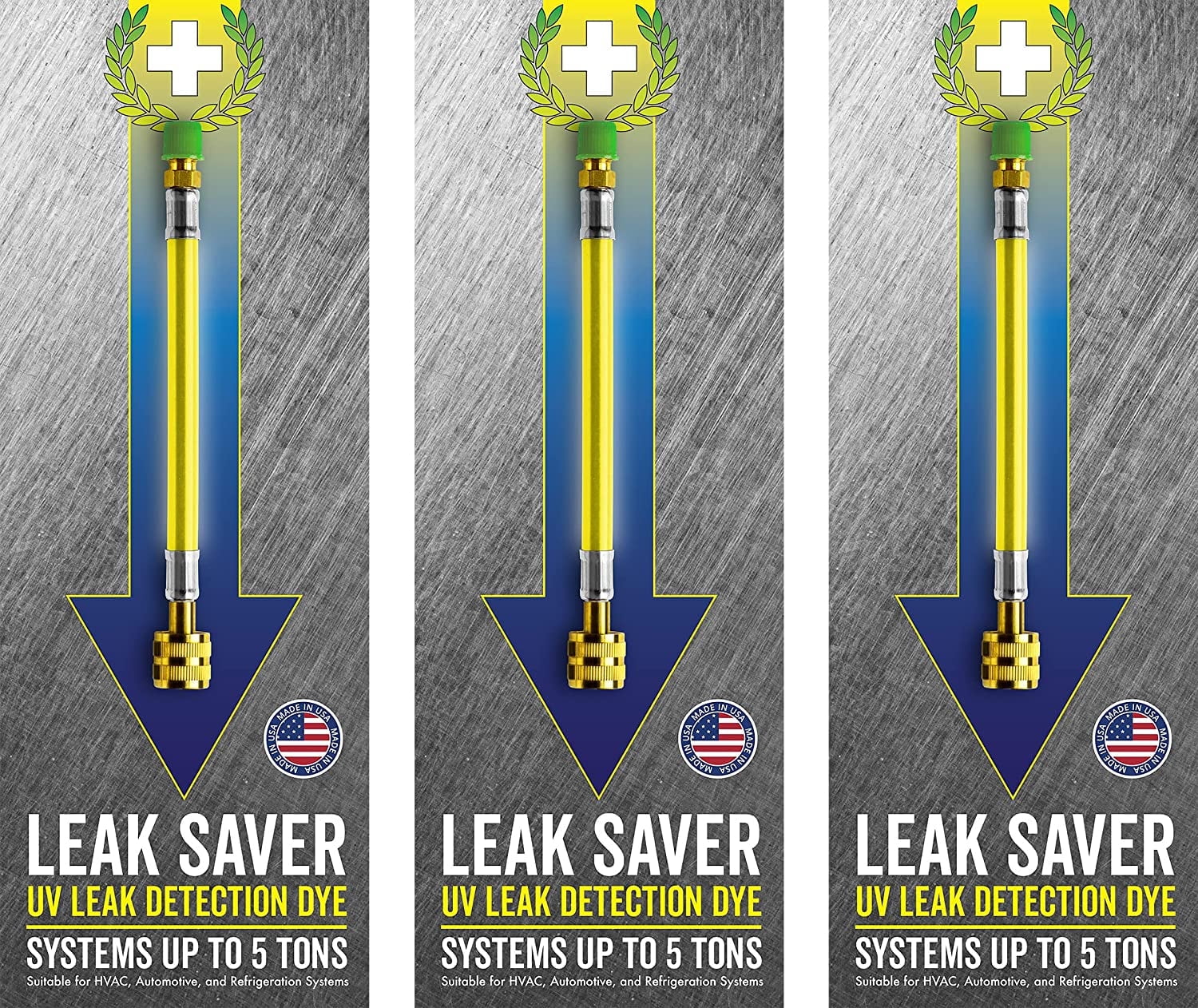
Low refrigerant causes poor cooling in wine coolers or deli cases, but never add refrigerant without fixing leaks first. Technicians use:
– UV dye injectors to pinpoint micro-leaks in copper lines
– Electronic sniffers calibrated for R-134a/R-410A
– Nitrogen pressure tests (250 PSI) to confirm seal integrity
Fact: A single 1/8″ pinhole leak wastes 2 lbs of R-404A monthly—violating EPA Section 608.
Compressor Failure: Signs You Need Professional Help
Call immediately if you notice:
– Oil stains on refrigerant lines (indicates internal failure)
– Burnt wiring smell from electrical compartment
– Suction line warmer than discharge line
Repair process: Technicians replace filter-driers, pull 500-micron vacuum, and weigh refrigerant to 0.5 oz accuracy—tasks requiring specialized tools.
Safety Protocols Every Business Owner Must Know
Ignoring safety during commercial cooler repair risks electrocution, refrigerant exposure, or OSHA citations. These protocols protect your staff and business.
Lockout/Tagout Procedures for Emergency Repairs
Before any intervention:
1. Shut off circuit breaker at main panel
2. Attach personal lock with employee ID tag
3. Verify zero voltage with multimeter
Critical for walk-ins: Treat as confined space—use harnesses and spotters during interior repairs.
Avoiding OSHA Violations During Maintenance
- Electrical work: Only licensed technicians may access compressor compartments
- Refrigerants: Never vent gases—EPA fines exceed $10,000 per pound released
- PPE: Technicians must wear cut-resistant gloves when handling copper lines
Business owner duty: Document all maintenance per FDA Food Code 3-201.11.
Don’t gamble with cooling failures that threaten your inventory and compliance. Implement these weekly coil cleanings and dollar bill seal tests to catch 80% of issues early. When frost builds on evaporator coils or compressors click repeatedly, act within 24 hours to prevent total failure. For refrigerant leaks or electrical faults, immediately contact EPA 608-certified technicians—your business’s survival depends on it. Schedule annual professional maintenance like a medical checkup; it’s the only way to guarantee FDA-compliant temperatures and avoid catastrophic downtime.