Your reach-in cooler suddenly stops keeping drinks cold during Friday night’s rush. Warm beer, spoiled ingredients, and frustrated customers—this nightmare scenario costs restaurants and bars thousands in wasted inventory every year. When your commercial refrigeration fails, every minute counts toward lost revenue and compromised food safety.
This practical reach-in cooler repair guide delivers immediate solutions for the most frequent breakdowns in commercial settings. You’ll learn to diagnose issues like a professional, perform essential maintenance, and determine when a problem requires expert intervention. Stop losing money to refrigeration failures—let’s get your cooler back to optimal performance.
Why Your Reach-In Cooler Isn’t Cooling Properly
When your commercial cooler fails to maintain proper temperatures, identifying the root cause quickly prevents catastrophic inventory loss. Most cooling failures stem from four critical system components working improperly.
How to Check Power Supply and Thermostat Settings
Before assuming major mechanical failure, verify basic electrical connections. Many “broken” coolers simply have tripped breakers or accidental thermostat adjustments. Locate your breaker panel and confirm the circuit hasn’t tripped—especially during peak usage hours when other equipment draws power. Check if the unit is properly plugged in, as vibration from daily use sometimes loosens connections.
Test thermostat functionality by adjusting it to its coldest setting. Listen for the compressor engaging within 5-10 minutes. If no change occurs, the thermostat may need replacement. A common mistake is overlooking that commercial thermostats often have protective covers requiring a key or tool to access settings—always check manufacturer instructions before disassembling.
Diagnosing Airflow Problems in Your Commercial Cooler
Poor airflow causes uneven cooling and excessive energy consumption. Stand near the evaporator fan vent inside your reach-in cooler while it’s running. You should feel consistent, strong airflow across all shelves. Weak or nonexistent airflow indicates evaporator fan failure or blocked vents.
Inspect for obstructions like overstocked shelves blocking air channels or ice buildup on coils. Commercial units require at least two inches of clearance around all sides for proper air circulation. During your reach-in cooler repair process, never ignore airflow issues—they often compound other problems like frost buildup or compressor strain.
Fix These Common Reach-In Cooler Failures Yourself
Many commercial refrigeration problems have straightforward solutions you can implement immediately without specialized tools or technical expertise.
Cleaning Condenser Coils to Restore Cooling Performance
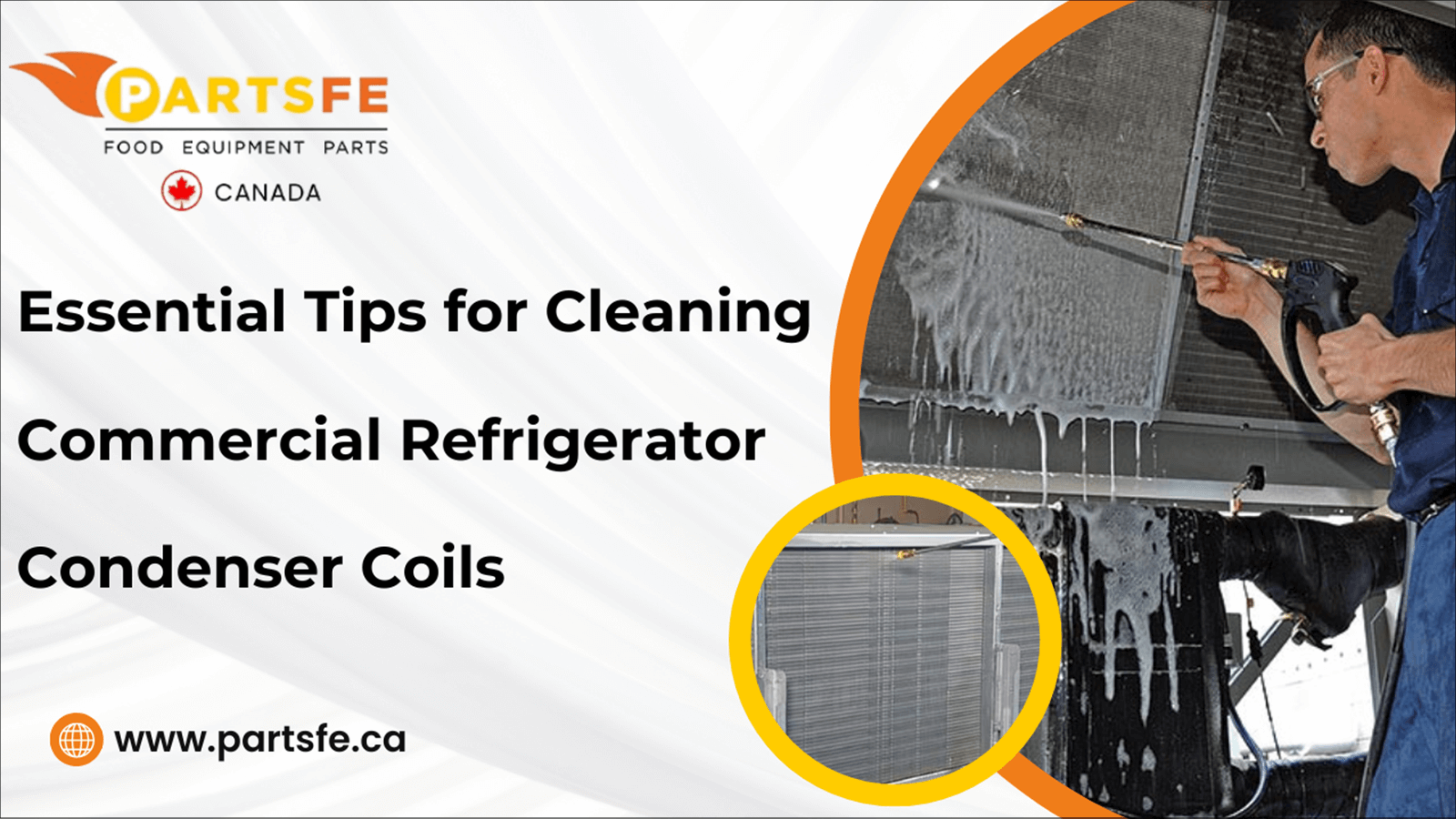
Dirty condenser coils cause up to 30% of commercial cooler breakdowns. Located at the bottom front or rear of your unit, these coils release heat absorbed from your cooler’s interior. When clogged with dust, grease, or debris, they can’t dissipate heat effectively, causing system overheating.
Unplug your unit and remove the front grill to access the coils. Use a soft brush or vacuum with a narrow attachment to gently remove buildup—never use compressed air which can damage delicate fins. Complete this essential reach-in cooler repair monthly in high-traffic establishments. For grease-heavy environments like kitchens, clean coils weekly to prevent premature compressor failure.
Testing and Replacing Faulty Door Gaskets
Compromised door seals waste 15-20% more energy and cause excessive frost buildup. Perform the dollar bill test: close the door on a bill at various points around the seal. If you can pull it out easily, your gasket needs replacement. Commercial coolers experience more door openings than residential units, accelerating gasket wear.
When replacing gaskets, choose commercial-grade materials designed for frequent use. Proper installation requires warming the new gasket with a hair dryer to make it pliable, then carefully seating it into the channel without stretching. A well-sealed door reduces compressor runtime by 25%, directly lowering your electricity costs during this critical reach-in cooler repair process.
Critical Reach-In Cooler Repairs Requiring Professional Help
While basic maintenance prevents many issues, certain failures demand certified technician intervention to avoid safety hazards and further damage.
Refrigerant Leak Detection and Recharge Procedures
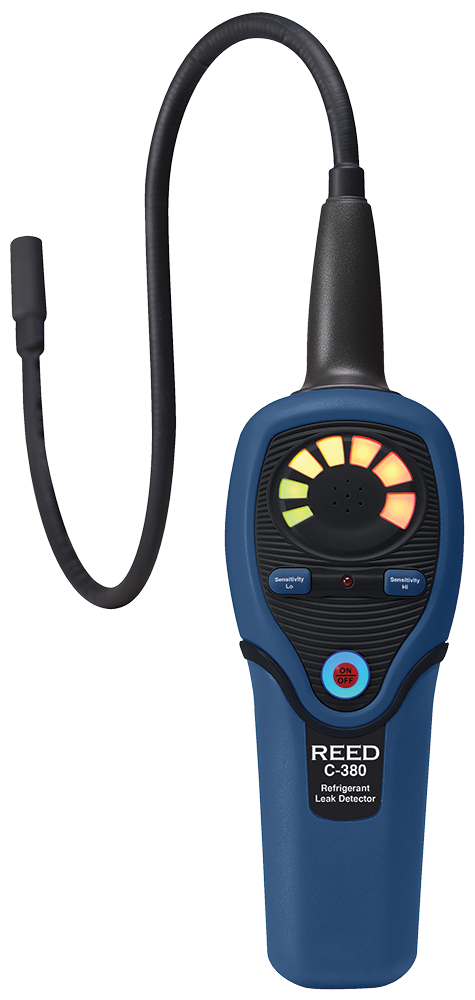
Low refrigerant levels manifest as inadequate cooling despite constant compressor operation. Unlike automotive AC systems, commercial refrigeration units aren’t designed for simple “top-offs.” Refrigerant leaks require precise detection using electronic sniffers or UV dye, followed by leak repair before system evacuation and recharge.
Attempting DIY refrigerant work violates EPA regulations and risks oil contamination that destroys compressors. A qualified technician will perform a pressure test, locate the leak source (often at welded joints or valve stems), and determine if the leak is repairable or requires component replacement. This specialized reach-in cooler repair requires certified handling of refrigerants under Section 608 of the Clean Air Act.
Compressor Failure Troubleshooting and Replacement
The distinctive “click-hum-click” pattern indicates compressor start component failure, while complete silence suggests electrical issues. Compressors fail due to overheating from dirty coils, voltage fluctuations, or moisture contamination in the sealed system. Replacing a commercial compressor involves brazing new components, pressure testing, and precise refrigerant charging.
This complex reach-in cooler repair typically costs 40-60% of a new unit’s price. Before authorizing replacement, ask your technician to verify if failure resulted from preventable causes like poor maintenance. Many commercial compressors fail prematurely due to neglected coil cleaning—making regular upkeep your best defense against this expensive repair.
Prevent Costly Breakdowns With Proactive Maintenance
The most effective reach-in cooler repair strategy involves preventing failures before they occur through systematic maintenance.
Creating a Commercial Cooler Maintenance Schedule
Implement these time-based maintenance tasks to extend equipment life and prevent emergency repairs:
Daily:
– Wipe interior surfaces to prevent mold growth
– Verify temperature readings match set points
– Listen for unusual compressor or fan noises
Weekly:
– Inspect door gaskets for tears or warping
– Check drain pan for proper drainage
– Clean interior lighting fixtures
Monthly:
– Deep clean condenser coils using appropriate brushes
– Test door closure mechanism and alignment
– Verify evaporator fan operation
Document each maintenance activity to identify patterns before failures occur. Restaurants that follow structured maintenance schedules experience 65% fewer emergency reach-in cooler repair calls than those performing only reactive fixes.
Recognizing Early Warning Signs of Impending Failure
Train staff to report subtle changes that precede major breakdowns. Extended run times to reach set temperatures indicate developing problems. Unusual condensation inside or outside the unit suggests seal issues. Ice buildup behind panels points to evaporator coil problems.
Most critically, monitor temperature logs for gradual warming trends—you’ll often see a 2-3°F increase over weeks before complete failure. Addressing minor issues during routine maintenance prevents 80% of catastrophic failures requiring expensive reach-in cooler repair interventions.
When to Replace Rather Than Repair Your Commercial Cooler
Not all reach-in cooler repair scenarios justify the investment. Consider replacement when:
- The unit is over 10 years old (most commercial refrigeration lasts 10-15 years with proper maintenance)
- Repair costs exceed 50% of a new unit’s price
- You’re experiencing recurring failures in multiple components
- The model uses obsolete refrigerants like R-22
Modern commercial coolers offer 30-40% better energy efficiency than units manufactured before 2010. Calculate payback periods by comparing repair costs against monthly energy savings from newer models. Many utility companies offer rebates for upgrading to Energy Star-certified commercial refrigeration.
Final Note: Consistent maintenance transforms your reach-in cooler from a liability into a reliable asset. By implementing these diagnostic techniques and preventive measures, you’ll reduce emergency repair calls by up to 75% while extending equipment life. Remember that proper reach-in cooler repair isn’t just about fixing problems—it’s about creating a system that prevents them. When in doubt about any repair procedure, consult a certified commercial refrigeration technician to protect your investment and ensure food safety compliance.