
Your store-bought cooler fails at the worst moment—ice melting into warm puddles during a lakeside picnic or a tailgate party. Commercial coolers crack under pressure, leak everywhere, and lack the charm of handcrafted outdoor furniture. A properly built wooden cooler box solves this with superior insulation, rot resistance, and patio-ready style. Unlike flimsy plastic models, a custom wooden version keeps ice frozen for 24+ hours while doubling as seating or a serving station. This guide delivers actionable wooden cooler box plans tested for real-world durability. You’ll learn precise construction techniques, material hacks, and critical sealing steps most DIYers miss—transforming basic lumber into a showpiece that outperforms expensive brands.
Essential Materials and Tools for a Waterproof Wooden Cooler Box Build

Skipping quality materials guarantees a leaky, short-lived cooler. Marine-grade plywood isn’t optional—it’s the foundation of moisture resistance. Use 3/4″ exterior plywood for the outer shell (avoid interior-grade; it swells within months). For the inner chamber, 1/2″ sanded birch plywood works perfectly when sealed properly. Never substitute particleboard—it disintegrates on first contact with water.
Insulation thickness directly impacts ice retention. Cut 2″ rigid XPS foam board for walls and base, leaving a precise 1.5″ gap between inner and outer shells. This creates a dead-air space that traps cold. For hardware, stainless steel deck screws prevent rust stains, while marine silicone sealant (not bathroom caulk) creates watertight seams. Your tool checklist must include:
– Table saw for square plywood cuts
– Jigsaw for drain hole precision
– Orbital sander (80-220 grit)
– Framing square to verify 90-degree angles
– Heavy-duty clamps for glue-ups
Pro Tip: Pre-drill every screw hole in hardwood edges. Skipping this causes splits that compromise structural integrity and create leak paths.
Step-by-Step: Assembling Your Wooden Cooler Box with Double-Wall Insulation
Constructing the Outer Shell for Maximum Durability
Start by cutting your base (24″x16″), two long sides (24″x14″), and two short sides (16″x14″) from 3/4″ plywood. Assemble using waterproof wood glue and 2″ stainless screws—never nails. Clamp sides to the base, then check for squareness by measuring diagonal corners (both must match). A 1/8″ variance causes lid misalignment. Reinforce corners with 1×2 lumber cleats inside the box. This framing prevents warping when filled with 50+ lbs of ice and drinks. Sand all exterior edges smooth now; you can’t fix rough spots after insulation installation.
Building the Insulated Inner Chamber: The Secret to 24-Hour Ice
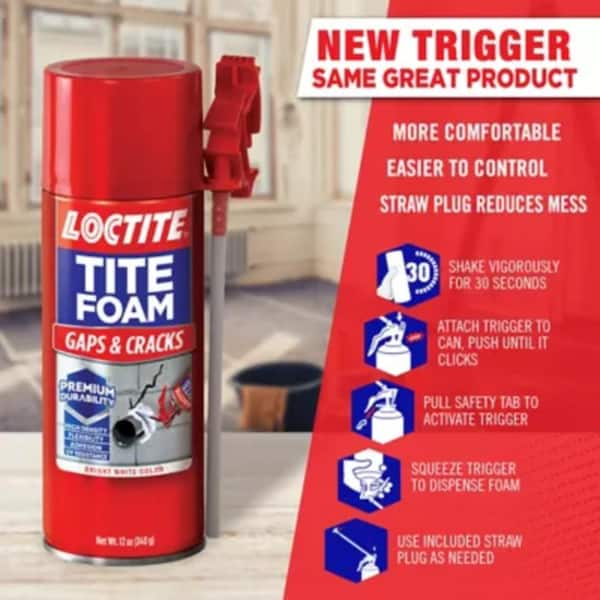
Cut a smaller inner box from 1/2″ plywood (21″x13″x12″), leaving consistent 1.5″ gaps on all sides. Place this inside the outer shell, then cut XPS foam to fill every cavity. Critical step: Stagger foam seams vertically like brickwork—never align them. Fill gaps with expanding spray foam, but avoid overfilling (it expands 30x). Once set, slice excess foam flush with a utility knife. This double-wall design creates a thermal break that stops condensation from reaching the outer wood. Without this, moisture wicks through single walls within hours.
Attaching the Lid and Drain: Critical Sealing Steps
Your lid must seal like a thermos. Sandwich 2″ foam between two 1/2″ plywood layers, screwing from the top down to avoid punctures. Attach with continuous stainless steel hinges—never standard butt hinges—which fail under weight. For drainage, drill a 1.5″ hole in the inner chamber’s lowest corner. Insert a marine-grade threaded drain plug, then seal the exterior with silicone. Test immediately: Fill the inner chamber with water. Any drip means resealing is required before proceeding.
Avoid These 3 Costly Mistakes When Building Your Wooden Cooler Box
Mistake #1: Skimping on Insulation (and How to Fix It)
DIYers often use thin foam or compress it during assembly, creating thermal bridges. Fix: Use 2″ rigid foam and check compression with a feeler gauge. If foam squishes when closing the lid, trim it. Compressed foam loses 50% of its R-value. Always leave a 1/8″ expansion gap around foam edges—wood swells in humidity.
Mistake #2: Ignoring the Drain System (Prevent Leaks Now)
A clogged or leaking drain ruins your cooler’s usability. Fix: Install the drain plug before final assembly. Wrap its threads with Teflon tape, then apply marine silicone underneath. Angle the entire cooler base 5 degrees toward the drain using adjustable feet. After sealing, pour 2 cups of vinegar down the drain monthly to prevent gunk buildup.
Mistake #3: Poor Lid Seal Leading to Melting Ice
Gaps between lid and box let warm air infiltrate. Fix: Glue closed-cell foam weatherstripping (1/4″ thick) to the box’s top rim—not the lid. When closed, the lid compresses this foam into a watertight gasket. Check alignment by closing the lid on dollar bills; if you pull them out easily, reposition the foam.
Waterproof Finishing: Seal and Protect Your Wooden Cooler Box for Years
Sanding and Priming for a Flawless Finish
Sand all surfaces progressively (80 → 120 → 220 grit), eliminating saw marks that trap moisture. Wipe away dust with a tack cloth. Apply oil-based exterior primer to every surface—including inside the drain hole and under hardware. Let dry 24 hours. Critical: Skip priming the inner chamber if using food-safe finish later; primer isn’t safe for direct food contact.
Choosing the Right Food-Safe Finish for Interior and Exterior
For exteriors, use marine spar urethane (3 coats minimum). It flexes with wood movement and resists UV fading. For interiors, apply food-grade epoxy resin—not standard varnish—which creates a non-porous, bacteria-resistant surface. Mix resin precisely per instructions; bubbles ruin the seal. Let cure 72 hours before first use. Pro Tip: Add nonslip tape to the base before final finishing—it won’t adhere to cured finishes.
5 Popular Wooden Cooler Box Designs: From Patio Bench to Rolling Cart
- Tailgate Hero (40-Quart): Compact with fold-down side tables and bottle opener cutouts. Fits car trunks.
- Patio Seating Cooler (70-Quart): 18″ height with reinforced lid for 2-person seating. Hide hinges under wood caps.
- Rolling Party Cart: Locking casters + pull-out drawer for plates. Ideal for poolside.
- Camp Kitchen Hybrid: Includes slide-out stove shelf and utensil hooks.
- Luxury Yacht Style: Teak wood exterior with brass fittings. Requires epoxy-coated fasteners.
Time-Saver: Start with design #2—it’s the easiest for beginners and adds instant backyard value.
Your Finished Wooden Cooler Box: Testing and Long-Term Use
Fill your completed wooden cooler box with equal parts ice and water before first use. This pre-chills the interior walls, boosting ice retention by 30%. Expect 24+ hours of cold retention with 20 lbs of ice in 85°F weather—never test with dry ice (it cracks wood). For maintenance, rinse the interior after each use and leave the lid propped open for 48 hours to dry completely. Reapply marine urethane to exterior seams every spring.
Critical Final Step: Place a digital thermometer inside during your first real outing. If ice melts faster than 24 hours, check for foam gaps near the drain—this is the #1 failure point. Seal with additional silicone and retest. Within three uses, you’ll have a perfectly tuned cooler that outlasts store-bought models by years. Now, load it with your favorite drinks and enjoy knowing your wooden cooler box plans delivered a functional heirloom—not just another disposable cooler.