
Waking up to a water stain spreading across your ceiling directly below the roof unit sends panic through any homeowner. That drip-drip-drip isn’t just annoying—it’s actively damaging your home’s structure, inviting mold growth, and potentially ruining drywall and insulation. When your swamp cooler leaking through ceiling becomes a reality, it’s almost always signaling one critical failure: water escaping the cooler’s pan due to improper installation or maintenance. Don’t grab buckets yet. This guide delivers actionable fixes you can implement within hours, starting with the #1 cause—unit misalignment—and covering sealing techniques professionals use. By the end, you’ll know exactly how to diagnose, repair, and prevent this costly disaster.
Ignoring a swamp cooler leaking through ceiling risks thousands in water damage repairs. Unlike AC condensation leaks, evaporative coolers move gallons of water daily, meaning even small overflows saturate ceilings rapidly. The urgency spikes when leaks worsen after the fan shuts off—a telltale sign of pan imbalance. But here’s the good news: 80% of these leaks stem from correctable issues like uneven mounting or degraded seals. With basic tools and this step-by-step protocol, you’ll restore your cooler’s function and protect your home. Let’s tackle the root causes before that drip becomes a flood.
Why an Unlevel Swamp Cooler Floods Your Ceiling
Your evaporative cooler’s pan must sit perfectly level to contain water during operation and shutdown cycles. When the unit tilts even slightly—often due to roof settling or poor initial installation—water pools in the lowest corner. As the pump continues running briefly after the fan cycles off, this pooled water overflows the pan’s edge. Gravity then pulls it through roof penetrations, following joists until it breaches your ceiling drywall. This explains why leaks intensify after the cooler stops running—a key diagnostic clue separating swamp cooler leaks from rain-related issues.
3 Critical Signs Your Cooler Caused the Ceiling Leak
- Leak Timing Matches Cooler Cycles: Water appears or worsens within 5 minutes of the unit shutting off, especially during dry weather.
- Stain Location Directly Under Unit: Measure from the drip point to your roof—any deviation beyond 12 inches suggests another source like plumbing.
- Visible Pan Overflow Evidence: Check the cooler’s exterior during operation; water trickling down the unit’s side confirms overfill.
How to Level a Swamp Cooler on Flat Roofs in 5 Steps
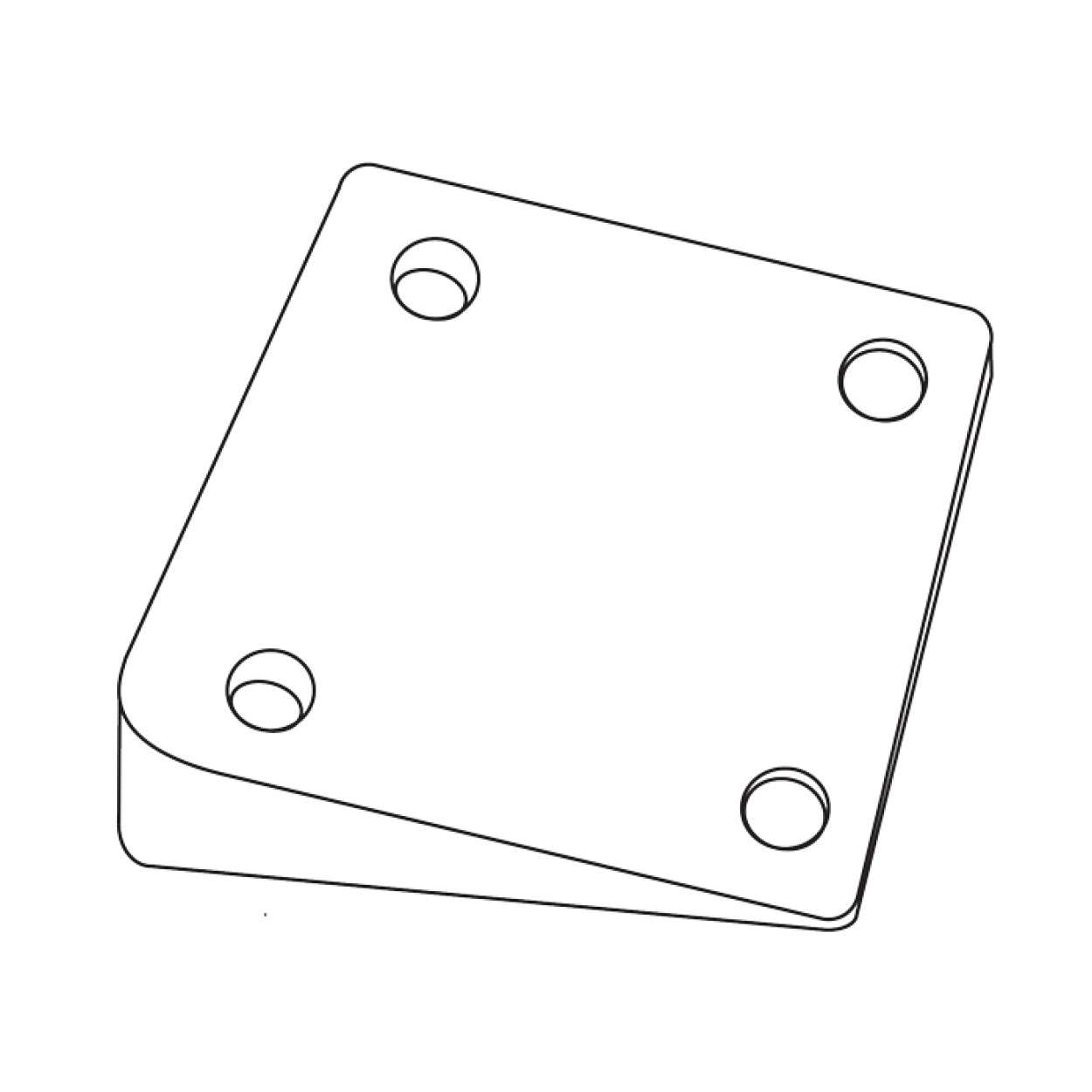
Tools Required: 2-foot carpenter’s level, scissor jack, pressure-treated wood or composite shims (Trex works best), 6″x6″ wooden block, safety goggles, helper.
- Identify the Low Side: Place the level across the cooler’s pan front-to-back and side-to-side. Note where the bubble drifts toward the edge—this indicates the low corner needing elevation.
- Stabilize the Jack Base: Position the wooden block on the roof directly under the low side of the cooler frame (never under the pan). Set the jack on the block to prevent roof damage.
- Lift and Shim Strategically: With your helper, slowly raise the jack just enough to slide ¼” shims under the cooler’s support leg. Critical: Lift only ½ inch maximum—over-lifting risks pan cracks.
- Verify Perfect Leveling: Recheck the pan in both directions. Add or remove shims until the bubble centers perfectly. Remove the jack only after confirming stability.
- Test Under Real Conditions: Run the cooler for 20 minutes, then shut it off. Monitor the pan—water should now distribute evenly without pooling.
Pro Tip: Composite shims outlast wood—they won’t rot when exposed to moisture. Cut them ½” wider than the leg base for maximum stability.
Sealing Roof Gaps and Patching Legacy Holes to Stop Leaks
Even a level cooler leaks if water finds paths through roof seams or old installation holes. Air escaping around the duct boot isn’t just wasting energy—it’s creating suction that pulls rainwater toward your ceiling. Meanwhile, previous mounting attempts leave hidden holes under shingles that channel water straight into your attic.
Aluminum Foil Tape Seal for Duct Boot Gaps
- Clean Thoroughly: Scrape debris from the seam between the cooler base and duct boot using a putty knife. Wipe with rubbing alcohol.
- Apply Taut Tape: Stretch heavy-gauge aluminum foil tape (3M #3300 recommended) over the seam, pulling it drum-tight. Start at the high point of the roof and work downward.
- Seal Edges Completely: Press firmly along all edges with a roller tool, then apply a second overlapping strip for redundancy.
Permanent Patch for Old Screw Holes
- Locate Hidden Holes: Inspect under shingles near the unit base for discolored patches—these indicate previous fasteners.
- Install Flashing Sandwich:
– Cut a 4″x4″ aluminum flashing patch.
– Apply thick bead of polyurethane sealant (e.g., Sashco Big Stretch) to the patch back.
– Slide it under the shingle course above the hole, covering it completely.
– Seal the top edge under the next shingle course with additional sealant. - Double-Layer Protection: Repeat with a second patch overlapping the first by 2 inches for critical areas.
Fixing an Overfilling Pan: Adjusting Your Swamp Cooler’s Float Valve
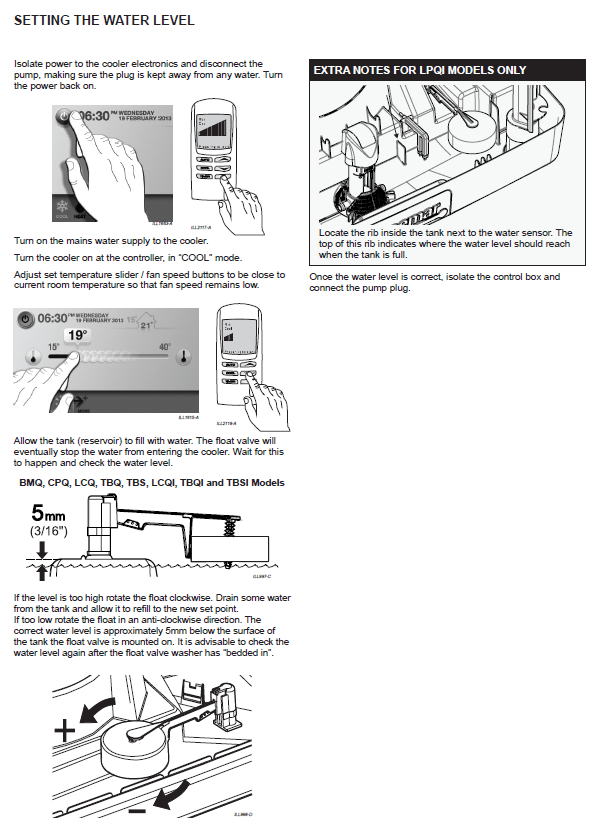
If water still overflows after leveling, your float valve is likely set too high. This valve controls the pan’s maximum water level—if misadjusted, it allows excess water that sloshes over during shutdown.
Precision Float Adjustment Protocol
- Access the Valve: Remove the cooler’s access panel to expose the float assembly (a plastic ball or cylinder attached to a metal arm).
- Lower the Shutoff Point: Gently bend the float arm downward 3-5 degrees using pliers. Never force it—bending beyond 10° damages the mechanism.
- Test and Refine:
– Run the cooler until the pump cycles on.
– Note where water stops in the pan—it should sit ½” below the overflow rim.
– If still overfilling, repeat with smaller bends (1-2° increments).
Warning: Bending the arm upward raises the water level, worsening leaks. Always bend downward for swamp cooler leaking through ceiling repairs.
5-Minute Annual Maintenance to Prevent Future Ceiling Leaks
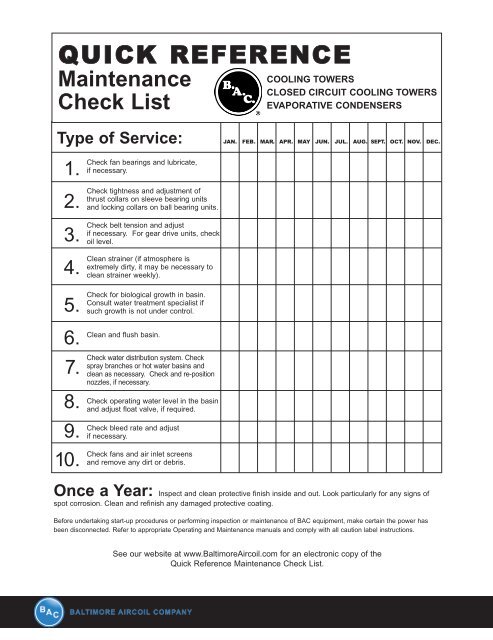
Skip this step, and you’re gambling with your ceiling. These checks take less time than your morning coffee but prevent 90% of recurring leaks:
– Pre-Season Level Check: Place your level on the pan before first use each summer—roofs shift seasonally.
– Float Valve Test: Pour water into the pan manually to verify shutoff at ½” below overflow.
– Sealant Inspection: Probe foil tape seams with a screwdriver; replace if flexible material indents easily.
– Drain Hole Clearance: Insert a wire hanger through the pan’s bottom drain to dislodge mineral buildup.
– Winterization Verification: Confirm complete drainage and pump disconnection before cold weather.
3 Critical Signs You Need a Professional for Swamp Cooler Leaks
Call a certified technician immediately if:
– Roof Pitch Exceeds 4/12: Steeper roofs require fall-protection gear and specialized lifting equipment.
– Persistent Leaks After Leveling/Sealing: Indicates internal pan cracks or faulty duct connections needing disassembly.
– Visible Structural Damage: Sagging drywall, bulging plaster, or mold growth near the leak suggests prolonged water exposure requiring assessment.
A swamp cooler leaking through ceiling is never “just a drip.” Water follows hidden paths, compromising roof decking and insulation long before it appears indoors. By leveling the unit, sealing roof penetrations with aluminum tape and flashing patches, and fine-tuning the float valve, you eliminate the core failure points. Implement the annual maintenance checklist every spring, and you’ll enjoy efficient cooling without dreading monsoon season. Remember: that first drip is your warning—act now before it becomes a waterfall through your living room.