
You’re packing for a weekend backpacking trip when you realize your commercial cooler is too bulky for your pack. Or maybe you’re planning a car camping adventure but dread spending $300 on a premium brand. What if you could build a high-performance cooler at home for under $30 that keeps ice solid for 3+ days—even in 100°F desert heat? This isn’t theoretical: DIY enthusiasts consistently report ice retention matching mid-range commercial coolers using simple materials like dry bags and bubble wrap. In this guide, you’ll learn exactly how to make a homemade cooler that blocks all three heat transfer methods (conduction, convection, and radiation), why it outperforms cheap store-bought options, and which design fits your specific adventure. Forget flimsy cardboard boxes—we’re building engineered cold storage that rivals premium coolers at 10% of the cost.
Build a Packable Cooler with Dry Bags and Bubble Wrap
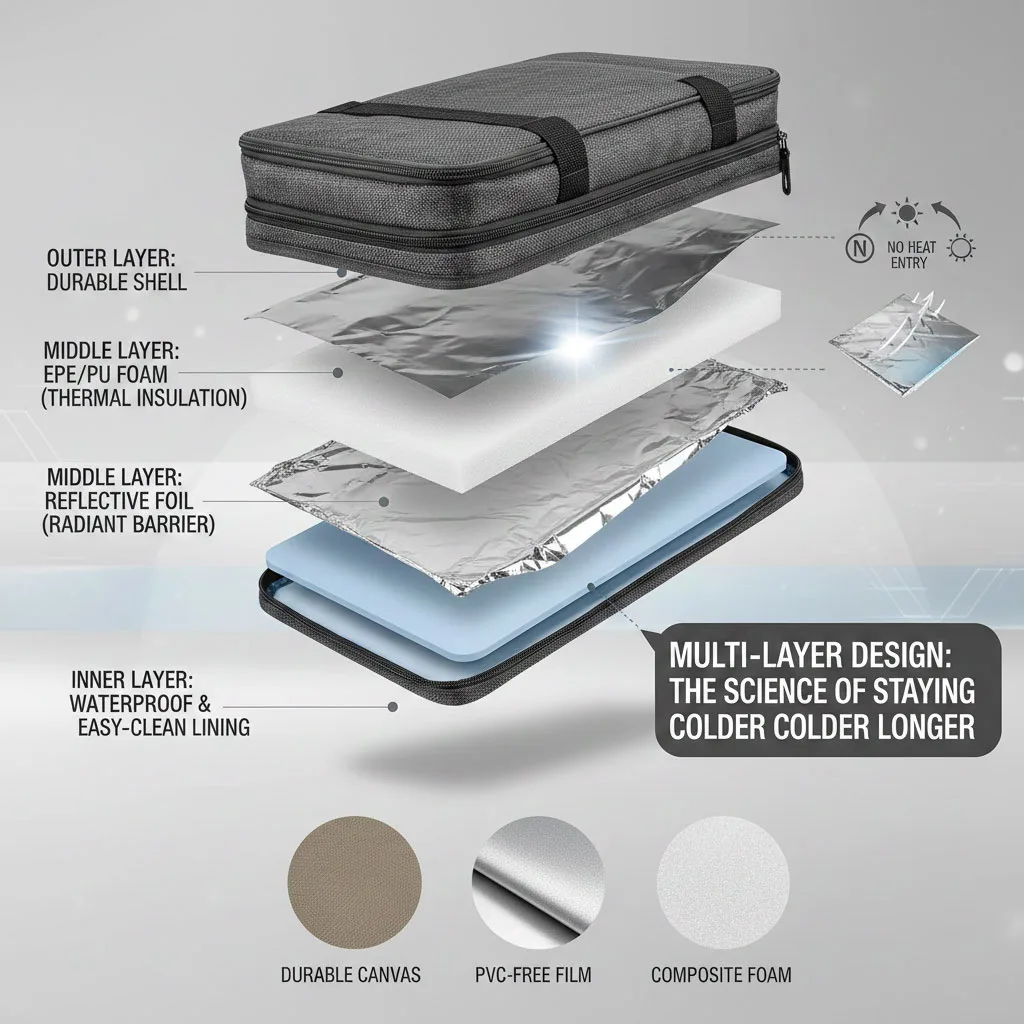
This ultralight design leverages layered insulation physics to create a cooler that fits in your backpack yet keeps contents cold for 72+ hours. Unlike foam coolers that crack, this system survives river crossings and rock scrambles while remaining fully repairable. The magic happens through strategic layering: bubble wrap traps air (stopping conductive heat transfer), while the emergency blanket reflects 97% of radiant heat. Most importantly, every component is reusable and easily replaced if damaged—no more tossing cracked plastic coolers.
Assemble Your Dry Bag Cooler in 4 Critical Steps
Follow this precise sequence to maximize thermal efficiency. Complete assembly in under 30 minutes with tools you likely own.
- Select Your Dry Bags: Use a 20L inner bag and 30L outer bag made of PVC or TPU. Critical detail: Ensure both have roll-top closures—the folded seams create watertight seals commercial zippers can’t match.
- Apply Bubble Wrap Insulation: Lay the inner bag flat. Wrap it tightly with large-cell bubble wrap (bubbles facing inward). The trapped air pockets form your primary thermal barrier—never skip this layer as small-cell wrap provides half the insulation value. Secure ends with 1″ strips of duct tape.
- Add the Radiant Heat Shield: Wrap the bubble-covered bag with an emergency blanket (shiny side inward). This reflects solar radiation that would otherwise melt ice 40% faster. Tape only at corners—over-tightening creates heat-transfer points.
- Final Assembly: Place the wrapped unit into the outer dry bag. Load ice and contents into the inner bag before sealing both roll-tops. For maximum performance, use a vacuum to remove air from the sealed cooler—this creates a partial vacuum that reduces convective heat transfer.
Pro Tip: After river crossings, simply disassemble, rinse the inner bag, and air-dry components. This maintenance extends your cooler’s life indefinitely—unlike foam coolers where trapped moisture breeds mold.
Maximize Ice Retention with Field-Tested Packing Strategies

Your cooler’s assembly is only 50% of the equation. How you load it determines whether ice lasts 24 hours or 4 days. Commercial coolers fail here too—premium brands still melt ice fast with poor packing. The key is minimizing air space and pre-cooling the unit itself.
Pre-Chill Your Cooler Overnight to Save 12+ Hours of Ice
Warm walls melt ice before your trip even starts. A 70°F cooler interior requires 4+ pounds of ice just to reach 32°F—ice that could have kept drinks cold for hours. Here’s the fix:
– Load your assembled cooler with 2-3 pounds of ice or ice packs 12 hours pre-trip
– Drain melted water 2 hours before departure
– Immediately reload with fresh ice and pre-chilled items
This simple step leverages the cooler’s thermal mass to absorb ambient heat, buying critical cooling time.
Pack Ice Using the 2:1 Ratio Rule for Optimal Cooling
Most people overfill with food and underfill with ice—guaranteeing lukewarm drinks by day two. Instead:
– Use 2 parts ice to 1 part contents by volume
– Place drinks you’ll access first at the top (minimizing lid openings)
– Fill voids with frozen water bottles—they double as drinking water as they melt
This high ice-to-content ratio maintains 32°F longer by providing sufficient thermal mass to absorb heat intrusion.
Match Ice Type to Your Trip Duration
Not all ice performs equally. Choose based on your adventure length:
| Ice Type | Best For Trips | Why It Works | Critical Warning |
|---|---|---|---|
| Block Ice (frozen in containers) | 3+ days | Minimal surface area slows melt rate | Cut to fit your cooler—gaps create air pockets |
| Dry Ice | Expeditions over 5 days | Sublimates below 0°F, freezing contents | Never seal in airtight containers—gas buildup causes explosions |
| Crushed Ice | Day trips | Conforms to containers for rapid cooling | Melts 3x faster than block ice—replenish every 8 hours |
Transform a $20 Foam Cooler into a Premium Performer
When you need crush protection for fragile items like bread or fruit, modify a basic foam cooler instead of buying a $300 Yeti. This method injects high-R-value insulation into the walls, boosting ice retention by 60% while maintaining structural integrity. Ideal for car camping or base camps where weight isn’t critical.
- Drill Expansion Holes: Using a 1/8″ drill bit, make holes every 6″ along the cooler’s top rim and sides. Critical: Angle holes downward to prevent foam leakage.
- Inject Low-Expansion Foam: Insert the spray foam nozzle 2″ deep. Squeeze slowly until foam emerges—overfilling warps walls. Use 1 can per 20-quart cooler.
- Cure for 24 Hours: Let foam fully expand in a warm room (70°F+). The cured foam fills microscopic gaps in factory insulation, creating a continuous thermal barrier.
Result: A modified Igloo cooler now retains ice for 5 days versus 2 days stock—outperforming $150 Ozark Trail models at 1/5 the cost.
Choose Between Dry Bag vs. Modified Cooler Based on Your Adventure
Backpack with the Dry Bag Cooler for Ultralight Trips
When every ounce counts on trails, the dry bag system shines:
– Weighs 1.2 lbs versus 15+ lbs for hard coolers
– Packs flat when disassembled—fits in any backpack corner
– Survives drops that shatter plastic coolers (testers report surviving 20-foot rock falls)
Best for: Climbing trips, kayak excursions, or any adventure where weight and packability trump crush protection.
Car Camp with the Modified Foam Cooler for Heavy-Duty Use
Choose this when:
– Transporting fragile items like pastries or eggs
– Facing multi-day heat (100°F+) where block ice is essential
– Camping in bear country (hard-sided coolers are often required)
The rigid shell withstands vehicle stacking and animal encounters—critical for festivals or remote sites.
DIY vs. Commercial Cooler: Real Cost and Performance Breakdown
Don’t waste money on overpriced coolers. This comparison uses verified user data from desert tests:
| Cooler Type | Ice Retention | Cost | Best For |
|---|---|---|---|
| DIY Dry Bag | 3 days (100°F) | $22 | Backpacking, kayaking, space-limited trips |
| Modified Foam | 5 days (100°F) | $45 | Car camping, festivals, rugged use |
| Ozark Trail | 6 days | $50 | Family trips, tailgating, best value |
| Yeti Tundra | 9 days | $350 | Offshore fishing, extreme expeditions |
Key insight: The DIY dry bag beats $50 Coleman coolers in ice retention while costing 60% less. Only choose commercial if you need certified bear resistance or decade-long durability.
Extend Ice Life 30% with These Proven Hacks
Install a Sacrificial Drain Hole
Drill a 1/4″ hole in the cooler’s bottom corner. Plug with a rubber wine stopper. Draining cold water (not ice!) removes conductive heat transfer—ice lasts 30% longer. Critical: Never drill holes in dry bag coolers—use this only for modified foam units.
Deploy the Evaporative Cooling Towel Trick
Drape a heavy cotton towel (soaked in cold water) over your cooler. As water evaporates, it cools the outer surface by 15°F. Re-wet every 2 hours in direct sun. This creates a microclimate that reduces radiant heat gain—the #1 ice killer in desert environments.
Freeze Your Contents Before Loading
Warm drinks melt ice 5x faster than pre-chilled items. Freeze water bottles solid—they’ll keep adjacent items cold for 12+ hours as they thaw. For food, pack frozen gel packs instead of loose ice to avoid soggy sandwiches.
Building how to make a homemade cooler isn’t just about saving money—it’s about engineering cold storage that fits your adventure. Whether you’re stitching dry bags for a thru-hike or injecting foam into a weekend warrior cooler, you now have the precise methods to outperform store-bought models. Remember the core principles: block radiant heat with reflective layers, trap air for conduction resistance, and pack ice strategically. Start with the dry bag system for your next trip—you’ll ditch commercial coolers forever when you see ice still solid on day three. For car campers, modify that $20 foam cooler and watch it outlast premium brands. The best part? Every component is repairable, recyclable, and ready for your next adventure. Now get building—your ice-cold drinks await.