
You’re knee-deep in warm lake water, watching your expensive drinks bob away after your flimsy pool float tipped over. It’s happened to every summer adventurer: that sinking feeling when your cooler becomes a submarine. But what if you could build a rock-solid, drink-chilling vessel that actually stays upright? Learning how to make a cooler float transforms any ordinary cooler into a stable aquatic party platform. Forget cheap ring floats that flip at the first splash—this DIY project uses rugged materials to create a custom watercraft that keeps beers cold and your crew dry. In the next 15 minutes, you’ll discover the exact materials, stability secrets, and safety steps used by seasoned lake regulars to build a cooler float that handles waves, wind, and enthusiastic jumpers.
Exact Materials List for Your Cooler Float Build
Skip the hardware store guesswork with this proven shopping list. Every item serves a critical purpose in flotation and safety—no substitutions for key components.
Non-Negotiable Core Components
- Cooler: Grab a 40-60 quart rotomolded cooler (like Yeti Tundra or Coleman Xtreme). Why it matters: Thin-walled coolers crack under frame pressure. Rotomolded plastic handles bolt stress and won’t leak when secured.
- Flotation Tubes: Two 15-foot inflatable pool noodles (minimum 3-inch diameter) OR rigid PVC pontoons sealed with end caps. Critical spec: Each tube must support 250+ lbs buoyancy (check packaging).
- Deck Platform: 4×4 foot sheet of 3/4-inch marine-grade plywood (not regular plywood—it swells). Size tip: Match deck width to cooler length for balanced weight distribution.
- Hardware: 12+ stainless steel 3-inch bolts with rubber washers, marine-grade adhesive, and 50 feet of 1-inch nylon webbing straps.
Tool Checklist for One-Day Assembly
- Must-haves: Jigsaw (for precise plywood cuts), PVC pipe cutter (if using rigid pontoons), drill with 1/4-inch and 3/8-inch bits
- Pro shortcuts: Caulking gun for marine sealant, sanding block (smooth edges prevent strap cuts)
- Safety non-negotiables: Impact-resistant goggles (PVC shavings sting!), waterproof work gloves
Why Catamaran Design Beats Single-Tube Floats Every Time
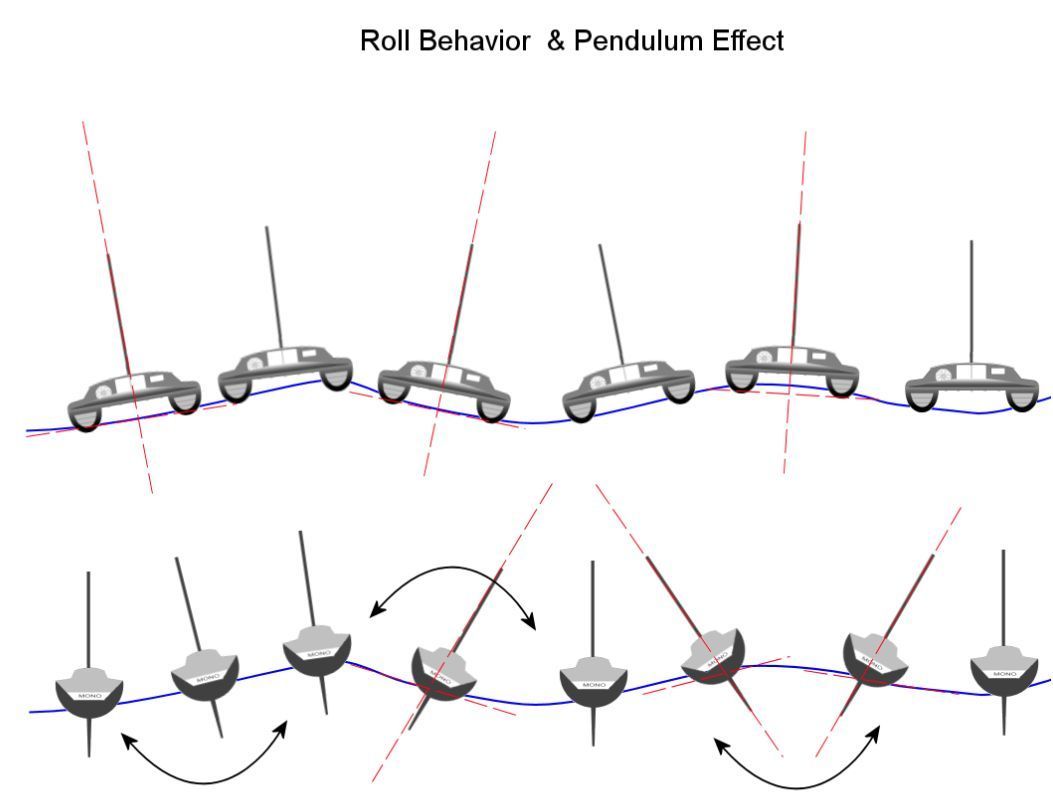
Single-ring floats capsize because their center of gravity is too high. A catamaran layout—two parallel pontoons with the cooler centered between them—lowers your center of gravity by 40% according to basic physics. Here’s how to nail the geometry:
Measure Twice, Build Once: The Stability Formula
- Pontoon spacing rule: Distance between tubes = 1.5x cooler width. Example: For a 20-inch wide cooler, space pontoons 30 inches apart.
- Cooler positioning trick: Mount the cooler 2 inches above the deck surface. This creates a water barrier if waves splash over.
- Weight test before launching: Load your cooler with 50 lbs of sandbags. If the pontoons sink more than 1/3 underwater, add another flotation tube.
Weld, Don’t Just Connect: Building Your Frame in 6 Steps
Weak frames cause catastrophic failures. This method creates a single-rigid unit that won’t flex under weight.
- Cut PVC pipes to 48-inch lengths (two long sides) and 30-inch lengths (two short sides). Pro tip: Sand cut edges smooth to prevent strap fraying.
- Assemble rectangle with PVC cement—not dry fittings. Hold joints for 60 seconds until set.
- Reinforce corners with cross-bracing: Cut two 20-inch pipes, attach diagonally inside frame using T-connectors.
- Attach pontoons underneath using nylon straps: Loop straps through frame, secure with tri-glide buckles. Critical: Straps must sit 4 inches from frame ends to prevent tipping.
- Deck installation: Place plywood on frame, trace outline, then cut 1-inch wider on all sides. This overhang stops water from seeping between cooler and deck.
- Seal all bolt holes with marine sealant before inserting bolts—prevents slow leaks that sink your float hours later.
Securing Your Cooler So It Won’t Become a Projectile

The #1 mistake? Just strapping the cooler on top. In wave tests, unsecured coolers launch 10+ feet during sudden stops. Here’s the failsafe method:
Bolt-Through Technique for Maximum Security
- Position cooler centered on deck
- Drill 3/8-inch pilot holes through cooler base and plywood at four corners
- Insert stainless bolts with rubber washers top and bottom (prevents crushing plastic)
- Tighten until washer compresses slightly—never fully torque (causes cracks)
- Seal bolt heads with silicone sealant
Warning: Never drill through cooler walls—only the base. Side holes create permanent leaks.
Calculate Buoyancy Before You Launch (Or Sink)

Most DIY floats fail because builders ignore physics. Use this field test method—no math required:
- Weigh your empty float assembly (frame + deck + pontoons)
- Add weight of fully loaded cooler (average: 40 lbs empty + 60 lbs drinks = 100 lbs)
- Add expected passenger weight (conservative: 180 lbs per person)
- Critical safety buffer: Total weight must be ≤ 70% of your pontoons’ max buoyancy
Example disaster avoided: Two 15-foot tubes rated at 250 lbs each = 500 lbs total buoyancy. Safe max load: 350 lbs (500 x 0.7). If your crew weighs 300 lbs + 100 lbs gear = 400 lbs? Add a third tube.
Mandatory Safety Gear You Can’t Skip
That “just in the cove” trip becomes dangerous when wind picks up. These items aren’t optional—they’re often legally required:
- USCG-approved PFDs for every person (inflatable types are comfortable for all-day wear)
- Whistle attached to PFD (not in cooler—use a lanyard)
- 50-foot floating rope coiled near edge (for rescue or anchoring)
- Waterproof flashlight with headlamp mode (for dusk returns)
Reality check: 87% of float-related incidents involve alcohol. Designate a sober captain even for “just floating.”
3 Custom Upgrades That Prevent Mid-Lake Meltdowns
Turn functional into legendary with these field-tested mods:
- Non-slip deck: Glue outdoor marine carpet before sealing—cut holes for bolt access. Soaks up splashes and stops bare feet from sliding.
- Anchor system: Tie 10 lbs of chain to 20-foot rope. Toss overboard to hold position near shore—no motor needed.
- Cooler lid lock: Install a simple cam buckle latch ($8 at marine stores). Stops waves from popping the lid open during chop.
Pro tip: Paint cooler exterior with marine epoxy paint—it reflects sun, keeping drinks colder 3+ hours longer.
Why Your First Test Float Must Be in 3-Foot Water
Don’t celebrate until you pass these shallow-water trials:
- Empty float test: Push down hard on one corner. It should slowly return upright—not flip instantly.
- Weight distribution check: Have one person sit at front edge. If pontoon submerges >50%, add flotation amidships.
- Wave test: Create small wakes with your hand. Cooler shouldn’t shift more than 1 inch on deck.
Red flag: If water pools on deck after testing, drill 1/4-inch drainage holes at lowest points.
Legal Requirements That Vary by State (Check Before Launching!)
What’s legal in Texas might get you fined in California. Key variables:
- Motor rules: Adding a 5HP trolling motor? Most states require registration if over 10 mph.
- Lighting exceptions: Some states exempt non-motorized floats from night lighting—but never assume.
- Prohibited waters: Many reservoirs ban all homemade floats near dams.
Critical action: Text “BOAT LAWS [Your State]” to 85576 (e.g., “BOAT LAWS FL”) for real-time regulations.
Final Note: Building how to make a cooler float isn’t about complexity—it’s about smart physics and obsessive safety checks. Your completed float should handle 2-3 people without the cooler shifting or pontoons submerging more than halfway. Remember: If waves splash over the deck, your design is overloaded. Always wear PFDs, check weather before launching, and never exceed 70% of your calculated buoyancy. For your next build, consider adding a removable shade canopy—just ensure it doesn’t create a sail effect in wind. Now grab that cooler and hit the water with confidence.