
Tired of lugging heavy coolers on your adventures while watching expensive ice melt by noon? You need a backpack cooler that actually works—but store-bought models cost $300+ for decent performance. What if you could build a custom, high-performance backpack cooler for under $100 that keeps ice for 72 hours? With two dry bags, proper insulation, and strategic packing techniques, you can create a portable icebox that outperforms many commercial options. This guide reveals the exact methods tested in desert heat that transform ordinary gear into expedition-worthy cooling systems, saving you hundreds while giving you complete customization control.
Why Your Store-Bought Cooler Fails on Backpacking Trips
Most commercial backpack coolers sacrifice insulation thickness for portability, creating a thermal disaster. The average soft-sided cooler uses only 3/4-inch insulation—barely enough for a single day in warm conditions. This thin barrier allows heat to penetrate rapidly through thermal bridging, where heat travels through the thinnest points of your cooler like seams, zippers, and corners.
The Weight vs. Cooling Capacity Dilemma
You face an impossible choice with store models: lightweight packs that barely keep items cool for a few hours or heavy-duty options that weigh you down. Premium brands like Yeti use thicker insulation but add significant weight through rigid structures and metal hardware. Your DIY solution bypasses this trade-off completely—you control the insulation thickness-to-weight ratio based on your specific adventure needs.
How Thermal Bridging Kills Your Ice Retention
Thermal bridging occurs when heat finds the path of least resistance through your cooler’s weak points. Most backpack coolers have uninsulated zippers, thin seams, and minimal lid insulation—creating “thermal highways” for heat. In a 90°F environment, these bridges can increase ice melt by 40% compared to a fully sealed system. Your DIY build eliminates these weak points by creating continuous insulation with no direct heat pathways.
The Layered Dry Bag Method: Most Effective DIY Build
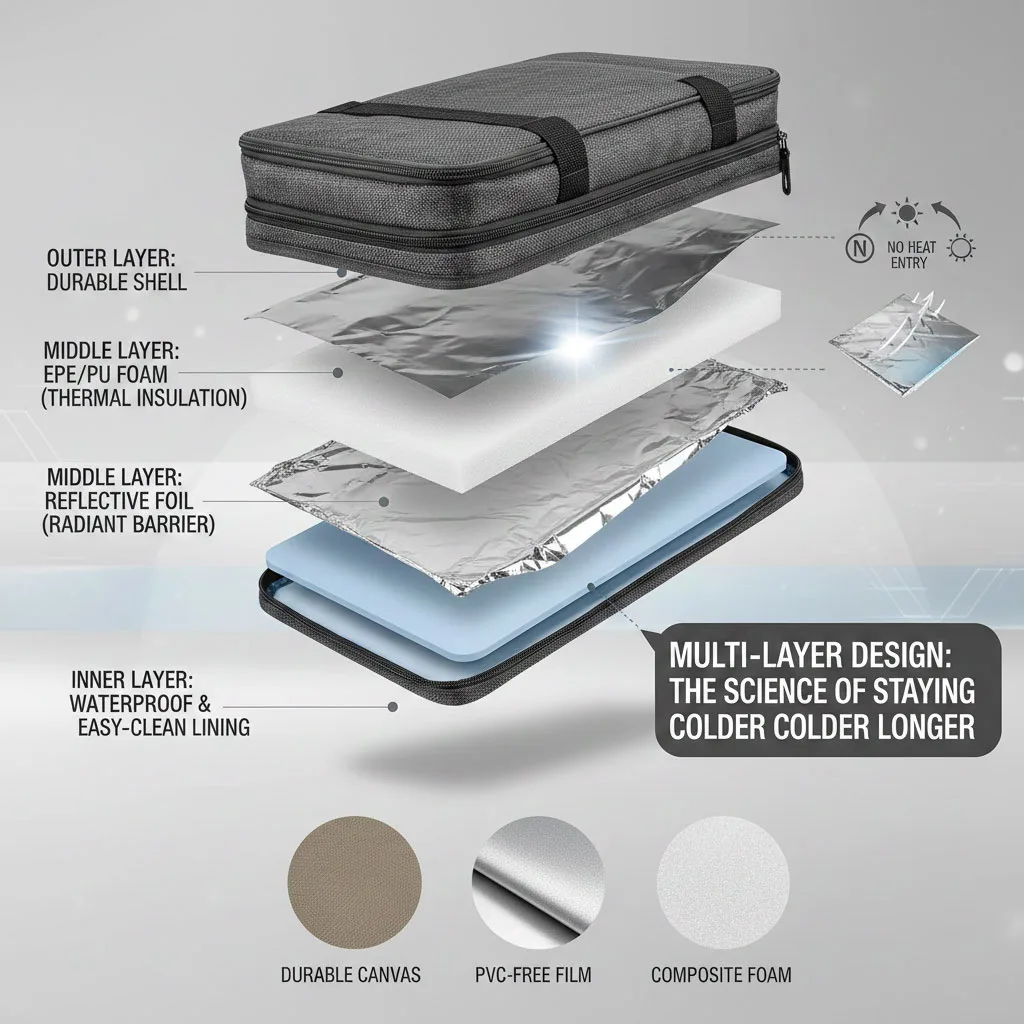
This dry-bag-within-a-dry-bag technique creates a dead air space that dramatically improves insulation while keeping weight manageable. Tested in 100°F desert conditions, this method kept ice solid for three full days with proper packing techniques. The key is creating multiple insulation layers that work together to stop conductive, convective, and radiant heat transfer.
Choosing the Perfect 20-35L Dry Bags for Maximum Performance
Select two identical high-quality dry bags—the critical foundation of your cooler. Opt for 30L capacity for day trips or 35L for overnight adventures. Look for 500D or 1000D nylon construction with welded seams (not stitched) and a reliable roll-top closure. Avoid cheap bags with thin material that punctures easily. Your outer bag takes the abuse, so invest in one with heavy-duty fabric and reinforced stress points.
Insulation Materials Compared: Bubble Wrap vs. Reflectix vs. XPS Foam
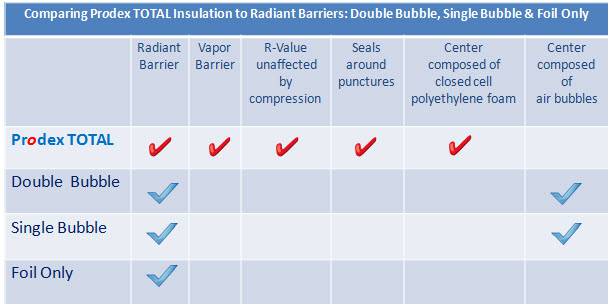
Your insulation choices determine performance:
– Large-bubble bubble wrap ($5): Creates air pockets that block conductive heat transfer. Use 2-3 layers wrapped loosely (don’t compress the bubbles).
– Reflectix foil insulation ($12/roll): Reflects radiant heat but needs an air gap to work effectively. Best used as an outer layer.
– 1-inch XPS foam board ($20): Provides the highest R-value per inch (R-5) but requires precise cutting. Ideal for the inner core.
Pro Tip: Combine materials—wrap your inner bag with bubble wrap, add Reflectix, then place inside the outer bag for a triple-layer system that outperforms single-material builds.
Step-by-Step: Creating Your Insulated Core Assembly
- Prepare your inner bag: Place all items you’ll carry (except ice) inside your inner dry bag and roll the top 3 times to create a defined shape.
- Wrap with bubble wrap: Completely cover the shaped inner bag with 2-3 layers of large-bubble bubble wrap (shiny side out), securing with minimal tape.
- Add reflective layer: Wrap the bubble-wrapped bundle with an emergency blanket (Mylar), ensuring the shiny side faces inward toward your contents.
- Insert into outer bag: Place the insulated bundle inside your second dry bag, creating an air gap of at least 1 inch around all sides.
- Seal like a pro: Roll both closures tightly and secure with compression straps. Critical: Tape the rolled closures with Gorilla Tape to eliminate air gaps.
Seal Like a Pro: Eliminating Thermal Leaks in Your DIY Cooler
Most DIY coolers fail because builders neglect the sealing process. Your insulation is only as good as your ability to maintain an airtight environment. Commercial coolers use rubber gaskets—your DIY version needs equally rigorous sealing at every potential leak point.
The Lid Insulation Secret That Doubles Ice Retention
The lid is your biggest thermal weak point—address it with a custom foam plug. Cut a circle of 1-2 inch XPS foam to fit snugly inside your inner bag’s opening. Wrap it in a plastic bag, then secure it with bungee cords across the top. This creates a thermal break that prevents warm air from sinking into your cooler when opened. Warning: Without this lid plug, you’ll lose 30% more ice during each opening.
How to Create a Watertight, Airtight Closure System
After rolling both dry bag closures, reinforce them with 3-inch wide Gorilla Tape. Apply tape horizontally across the rolled closure, then vertically down the sides. For roll-top bags, fold the excess closure material inward before taping to create a tighter seal. Check for air leaks by blowing into the bag—any escaping air indicates weak spots needing additional sealing.
Pre-Chill Like a Pro: The #1 Ice Retention Hack
Your cooler’s performance depends more on preparation than insulation thickness. Pre-chilling your entire system creates thermal momentum that significantly extends ice life. Commercial guides often skip this critical step, but it’s the difference between 12 hours and 72 hours of cooling.
Why Room-Temperature Drinks Melt Ice 3x Faster
Every warm item you add to your cooler acts like a heater, rapidly melting surrounding ice. Chilled beverages at 35°F require only 1/3 the ice of room-temperature drinks at 70°F. Pro Tip: Freeze drinks partially overnight—they’ll stay colder longer while providing additional cold mass.
Creating the Perfect Ice Bath Foundation
Start with a 2-3 inch layer of block ice at the bottom (a frozen 2L bottle works perfectly). Add 1-2 cups of cold water to create an ice bath—the water transfers cold 25x more efficiently than air. Place pre-chilled items directly into this slush, then cover with additional ice. The water-filled spaces eliminate air pockets and create consistent cooling throughout.
Critical DIY Mistakes That Sabotage Your Cooler’s Performance
Many builders follow instructions but miss subtle details that ruin performance. Avoid these common pitfalls that transform promising builds into lukewarm disappointments.
Why Thin Insulation Fails After 12 Hours
Using less than 1 inch of total insulation guarantees poor performance. In warm conditions, each additional 1/2 inch of insulation can double your ice retention time. Minimum recommendation: 1.5 inches total (including air gaps) for 24-hour performance, 2.5+ inches for 48+ hours. Measure your final assembly to ensure adequate thickness at all points.
The Zipper Failure Point Most Builders Ignore
If using a zipper-style dry bag, reinforce the zipper channel with foam strips. Cut 1/2 inch foam strips to run along both sides of the zipper, then seal with tape. Without this, the zipper becomes a major thermal bridge, allowing warm air to seep directly into your cooler’s core.
Real-World Test: 3 Days of Ice in Desert Heat
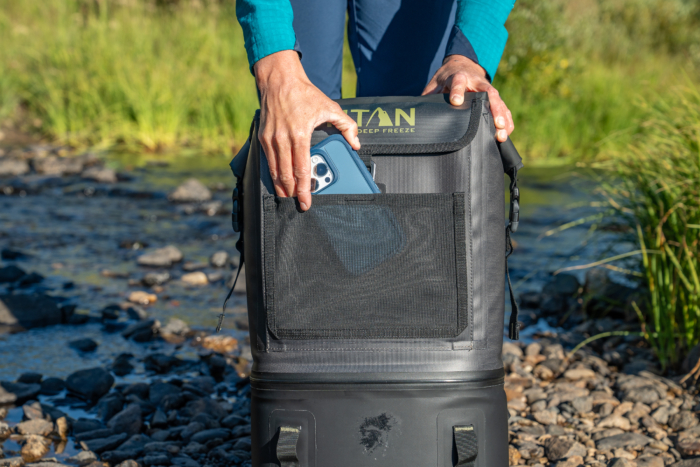
A successful $22 DIY build demonstrated the power of proper technique in extreme conditions. Using two $10 dry bags, bubble wrap, and an emergency blanket, this cooler maintained ice for a full 72 hours during a desert camping trip with daytime temperatures exceeding 100°F.
$22 DIY Cooler vs. 100°F Desert Temperatures
The key to this build’s success was meticulous sealing and strategic packing. The builder used a frozen 2L bottle as the primary cold source, surrounded by ice cubes in an ice bath foundation. Items were pre-chilled, and the cooler remained closed except for brief access periods. Critical factor: The lid was reinforced with a foam plug made from a camping pad, preventing warm air infiltration.
DIY vs. Yeti: When to Build vs. When to Buy
| Feature | DIY Backpack Cooler | Yeti Hopper M30 |
|---|---|---|
| Cost | $30-$100 | $299 |
| Ice Retention | 2-4 days (with proper build) | 3-5 days |
| Weight | Customizable (2-5 lbs) | 5.7 lbs |
| Durability | Varies by materials | Excellent |
| Best For | Budget trips, custom sizes | Expedition reliability |
When to DIY: Weekend trips, specific capacity needs, budget constraints, or customization desires.
When to Buy: Extended expeditions, extreme conditions, or when absolute reliability is critical.
Your Next Steps: Building the Perfect Custom Cooler
Start with the layered dry bag method using bubble wrap and an emergency blanket—this $30 build delivers 75% of premium performance. Focus on meticulous sealing, proper pre-chilling, and strategic packing. Once mastered, experiment with XPS foam for longer trips. Remember: the perfect cooler isn’t about expensive materials—it’s about understanding thermal principles and applying them consistently. Your DIY backpack cooler will keep your adventures cold, your wallet full, and give you the satisfaction of creating something truly functional with your own hands.