You’re packing for a weekend camping trip and suddenly wonder: how long does a cooler stay cold? This question determines whether your food stays fresh or spoils before you get home. The answer isn’t simple—it ranges from just 12 hours in basic foam coolers to over 10 days in premium rotomolded models. Your ice retention depends on cooler construction, ice type, environmental conditions, and how you use it. Understanding these factors means the difference between enjoying cold drinks on day three of your trip or dealing with lukewarm, potentially unsafe food. In this guide, you’ll discover exactly how long different coolers keep ice frozen and learn proven techniques to maximize your cooler’s performance regardless of what model you own.
How Your Cooler’s Build Quality Determines Ice Life Span
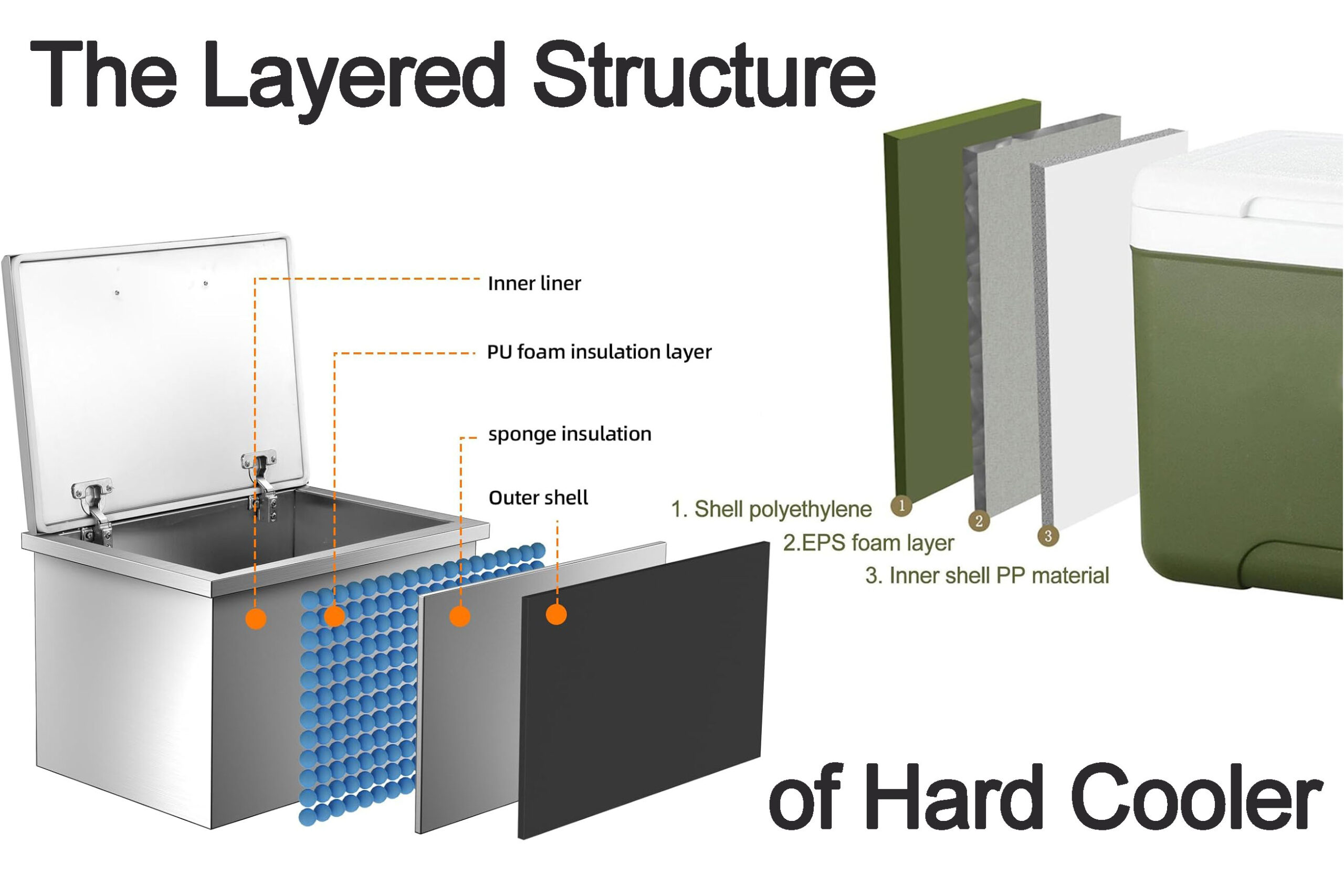
The construction of your cooler directly impacts how long does a cooler stay cold. Premium coolers use advanced engineering that creates a thermal barrier between the icy interior and hot exterior environment. This isn’t just marketing hype—thicker walls and better seals physically slow heat transfer through scientific principles of insulation.
Why Wall Thickness Matters for Keeping Ice Frozen
Cooler walls function as your first line of defense against heat. Budget coolers often have walls just 1-2 inches thick with basic foam insulation that quickly loses the battle against ambient heat. In contrast, premium rotomolded coolers feature 2-3 inches of pressure-injected polyurethane foam that creates a significantly more effective thermal barrier. Each additional inch of insulation can extend your ice life by 25-40% in hot conditions. When shopping, look for coolers that specify insulation thickness rather than just wall thickness—the actual insulating material matters most.
The Critical Role of Lid Seals in Ice Retention
Your cooler’s gasket seal is arguably more important than wall thickness. A high-quality rubber gasket creates an airtight barrier that prevents warm, humid air from infiltrating when the lid is closed. Check your cooler’s seal by closing it on a dollar bill—if you can pull the bill out easily, cold air leaks out just as easily. Premium coolers use thick, flexible gaskets with multiple sealing points that maintain integrity even after years of use, while cheaper models often have thin, stiff seals that crack and fail prematurely.
How Color and Surface Material Affect Heat Absorption
Your cooler’s exterior color significantly impacts ice retention in sunny conditions. Dark-colored coolers absorb up to 30% more heat than light-colored ones in direct sunlight, essentially turning your cooler into a radiator. Rotomolded coolers in white or light blue outperform black or dark green models by several hours in identical conditions. If you already own a dark cooler, wrap it in a reflective emergency blanket or place it under a tarp to dramatically reduce heat absorption. The surface texture also matters—smooth surfaces reflect more heat than textured ones.
Maximize Ice Life With These Proven Ice Strategies
How long does a cooler stay cold when you use the right ice strategy? The difference between proper and improper ice management can double your ice retention time, regardless of your cooler’s quality. Understanding ice types and preparation techniques transforms how effectively your cooler maintains cold temperatures.
Block Ice vs. Cubes: Which Keeps Your Cooler Cold Longer?
Block ice consistently outperforms cubes for extended trips. A solid 10-pound block melts 3-5 times slower than the same weight in cubes because it has less surface area exposed to warmer air. For weekend trips (2-3 days), cubes work fine, but for longer adventures, use large blocks as your primary cooling source. Here’s what works best:
- For 1-2 day trips: Cubes or standard freezer packs
- For 3-5 day trips: Combination of block ice (bottom layer) and cubes (top layer)
- For 5+ day trips: Large blocks with supplemental frozen water bottles
Pro Tip: Freeze your own blocks by filling gallon jugs ¾ full (to allow for expansion) and freezing for 48 hours. This clear ice (made from boiled, filtered water) melts significantly slower than commercial cloudy ice.
The Exact Ice-to-Contents Ratio That Extends Cooling Time
Most people make the critical mistake of not using enough ice. For optimal performance, maintain a 2:1 ice-to-contents ratio by weight. This means for every 5 pounds of food and drinks, you need 10 pounds of ice. A properly filled cooler should be 70% ice/contents and 30% air space. When packing, follow this sequence:
- Place block ice or frozen water bottles on the bottom
- Add your least perishable items (beverages, condiments)
- Add a layer of ice cubes
- Place highly perishable items (meats, dairy)
- Cover everything with a final layer of ice cubes
This layered approach creates a thermal buffer that keeps perishables cold longest.
Environmental Factors That Cut Ice Life in Half
How long does a cooler stay cold when exposed to direct sunlight? The answer might shock you—direct sun can reduce ice retention by 30-50% compared to shade. Your environment plays a massive role in how effectively your cooler maintains cold temperatures, often more than the cooler’s quality itself.
Why Shade Is More Important Than Cooler Quality
A premium cooler in direct sunlight often performs worse than a budget cooler in the shade. Heat radiating from hot surfaces like asphalt or sand conducts directly into your cooler’s base. Always place your cooler on a wooden pallet, foam pad, or even a folded towel to create an insulating barrier. When camping, nestle your cooler against a shaded rock wall or under dense tree cover. In vehicles, never leave your cooler in the trunk—trunk temperatures can exceed 150°F (65°C), melting ice within hours.
The Hidden Impact of Lid Opening Frequency
Every time you open your cooler, you lose 25-30% of the cold air inside. In testing, coolers opened 8 times daily lost ice 40% faster than those opened just twice daily. Implement these strategies to minimize lid openings:
- Organize contents so frequently needed items are on top
- Use a separate small cooler just for drinks
- Grab everything you need in one trip (no “just one more thing”)
- Keep the lid open for less than 30 seconds per opening
Critical Warning: Never leave your cooler lid propped open while tailgating or at the beach—this single mistake can melt all your ice in 2-3 hours on a hot day.
How Long Different Coolers Keep Ice Frozen (Real-World Data)
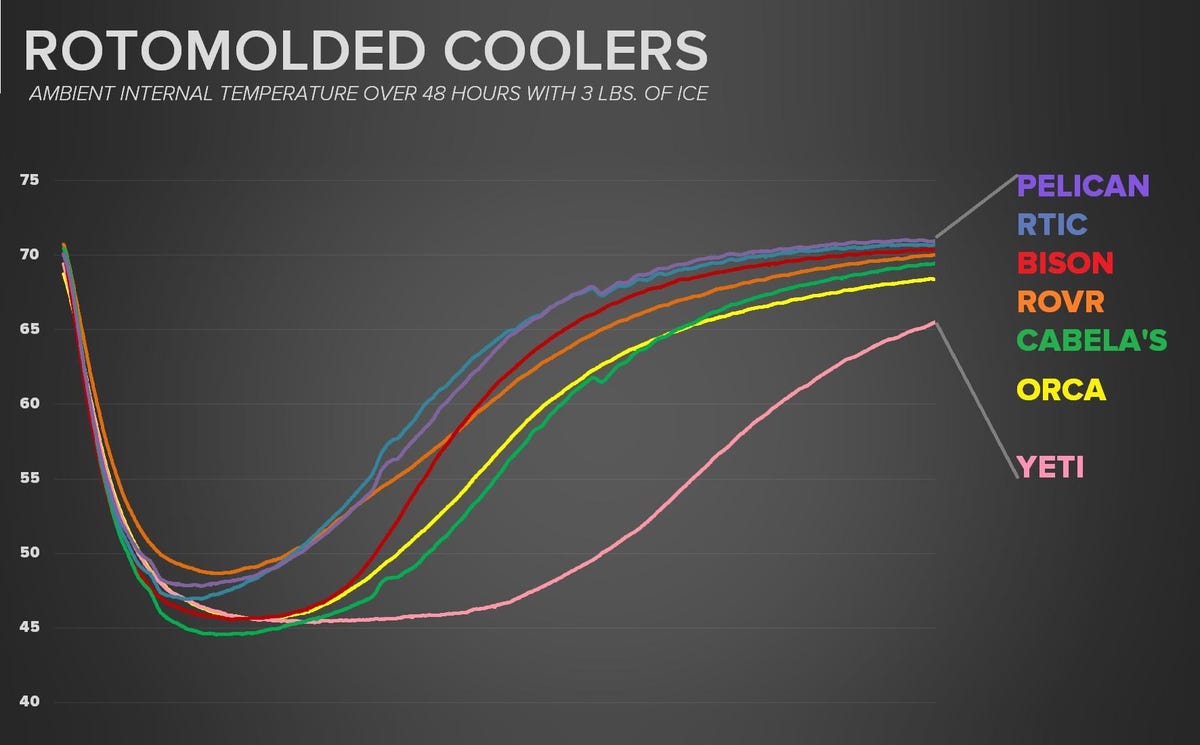
How long does a cooler stay cold based on type? Testing reveals dramatic differences between cooler categories when subjected to identical conditions (90°F/32°C ambient temperature, 4 lid openings daily).
Budget Hard-Sided Coolers (Coleman, Igloo)
These widely available coolers offer decent performance for short trips at an affordable price point. With proper pre-chilling and ice management:
- Ice Retention: 1.5-2.5 days in 80°F (27°C) weather
- Best Strategy: Use 2:1 ice ratio, pre-chill contents, keep in shade
- Top Performer: Coleman Xtreme maintains ice 5-7 days with optimal prep
Pro Tip: Extend performance by wrapping the cooler in a wet towel for evaporative cooling—this can add 8-12 hours of ice life in dry climates.
Premium Rotomolded Coolers (Yeti, RTIC, Orca)
These heavy-duty coolers justify their higher price with dramatically extended ice retention:
- Ice Retention: 5-10+ days under typical conditions
- Real-World Test: Yeti Tundra 65 maintained ice for 11 days in 90°F heat
- Best Value: RTIC offers 90% of Yeti’s performance at 30% lower cost
Key Insight: Premium coolers perform best when fully packed—leave minimal air space to reduce heat transfer. These models excel in extreme conditions where budget coolers completely fail.
Electric Coolers: When Ice Isn’t an Option
For road trips with reliable power, electric coolers offer temperature control without ice:
- Cooling Range: Typically 40°F below ambient temperature
- Power Consumption: 40-60 watts (runs 8-10 hours on standard car battery)
- Best For: Extended car camping with solar setup or tailgating with AC power
Important Note: Electric coolers don’t “keep ice” but maintain specific temperatures. They’re ideal when you need consistent refrigeration rather than freezing capability.
5 Proven Methods to Double Your Cooler’s Ice Life
How long does a cooler stay cold when you implement these expert techniques? These strategies work for any cooler type and can dramatically extend ice retention without expensive upgrades.
Pre-Chill Everything 24 Hours Before Your Trip
This single technique provides the biggest performance boost. Place your empty cooler in the garage overnight when temperatures drop, or fill it with ice packs for 24 hours before your trip. Chill all food and drinks in your refrigerator—not the door where temperatures fluctuate. Starting with everything already cold means your ice doesn’t waste energy cooling warm contents.
Keep Melt Water Inside for Maximum Cooling
Contrary to popular belief, don’t drain the cold water from your cooler unless you need dry storage. That frigid meltwater (typically 32-40°F/0-4°C) actually helps maintain low temperatures by surrounding remaining ice. Only drain water if storing items that can’t get wet or when ice has mostly melted and you’re transitioning to a “cold pack” phase.
Create a Thermal Blanket Layer on Top
The most heat enters through the lid, so insulate the top layer with an old towel, foam pad, or even crumpled newspaper. This creates an additional barrier against heat infiltration each time you open the cooler. For extreme conditions, place a sheet of Reflectix (foil-faced insulation) on top before closing the lid—it reflects radiant heat while adding insulation.
Freeze Your Water Bottles Before Packing
Double your cooling capacity by freezing water bottles solid before your trip. As they melt, they keep your cooler cold while transforming into cold drinking water. Place these frozen bottles strategically—on the bottom for foundational cooling, around the perimeter for even temperature distribution, and on top to create a cold air barrier.
Use the “Cooler-in-Cooler” Technique for Critical Items
For medications or extremely perishable items, nest a smaller insulated container inside your main cooler. Pack the space between with extra ice or towels for additional insulation. This creates a micro-environment that maintains lower temperatures longer than the main compartment. Testers report this method keeps insulin cold 50% longer during extended trips.
Final Tips to Keep Your Cooler Cold for Days
So, how long does a cooler stay cold when you apply all these strategies? Premium coolers can exceed 10 days in ideal conditions, while even budget models can reliably maintain ice for 3-4 days with proper preparation. Remember these key takeaways:
- Pre-chill everything 24 hours before your trip for maximum ice retention
- Use a 2:1 ice-to-contents ratio by weight for optimal cooling efficiency
- Keep your cooler in full shade and elevate it off hot surfaces
- Limit lid openings to less than 30 seconds and no more than twice daily
- Don’t drain melt water unless you need dry storage for food items
With these techniques, you’ll never again wonder how long your cooler will stay cold. Whether you’re using a $30 Coleman or a $400 Yeti, smart ice management transforms your cooler’s performance. Pack your next adventure with confidence knowing your food stays fresh and your drinks remain perfectly chilled from the first hour to the last day of your trip.