You reach for a refreshing glass of cold water from your Culligan cooler only to find it’s either not working or dispensing lukewarm liquid. This frustrating scenario happens to thousands of Culligan water cooler owners each year, but before you schedule a costly service call, know that most problems can be fixed with basic troubleshooting. Culligan water cooler repair often involves simple solutions you can implement yourself, saving both time and money while keeping your hydration station running smoothly.
When your Culligan unit stops performing properly, the immediate reaction is often panic—especially in office environments where multiple people depend on reliable water access. The good news is that approximately 70% of Culligan water cooler issues stem from easily addressable problems like clogged filters, minor electrical glitches, or simple maintenance oversights. This guide delivers specific, model-tested solutions for the most common Culligan water cooler failures, empowering you to diagnose and fix problems with confidence.
Unlike generic water cooler guides, this resource focuses exclusively on Culligan-specific components and failure points. You’ll learn precise diagnostic steps, safety precautions unique to Culligan models, and when professional intervention is truly necessary. Whether you’re dealing with no water flow, temperature problems, leaks, or strange tastes, we’ll walk through each scenario with actionable repair instructions tailored to your Culligan unit.
Why Your Culligan Water Cooler Stops Flowing Properly
Weak or nonexistent water flow from your Culligan cooler’s taps is among the most frequent complaints we address. When your Culligan water cooler repair journey begins with this issue, the culprit is typically a clogged filter that’s reached the end of its service life. Culligan filters should be replaced every six months, but in hard water areas, mineral buildup can restrict flow much sooner. Before assuming internal damage, always check if your model has a filter indicator light or follow the manufacturer’s replacement schedule.
If replacing the filter doesn’t restore proper flow, investigate potential kinks in the internal tubing or mineral deposits accumulating in the water lines. To check for kinks, unplug the unit and carefully examine all accessible tubing for bends or compression points, especially near connection points. For hard water scale buildup, prepare a vinegar solution (one part white vinegar to three parts water) and run it through the system, allowing it to sit for 20 minutes before thoroughly flushing with clean water. This simple Culligan water cooler repair often resolves stubborn flow issues without professional help.
Pro tip: When replacing your Culligan filter, run several gallons of water through the system afterward to eliminate carbon fines that can temporarily reduce flow. This prevents unnecessary concern that the replacement filter is defective.
How to Diagnose Internal Clogs in Culligan Models
- Remove and inspect the current filter – Look for discoloration or visible debris
- Check the filter housing for cracks or improper seating that could cause bypass
- Examine the water inlet tube from the bottle for obstructions
- Test water flow directly from the bottle to determine if the issue originates upstream
- Listen for gurgling sounds during dispensing, which indicate partial blockages
Fixing Culligan Cold Water That Won’t Chill

When your Culligan water cooler dispenses warm water from the cold tap, your first diagnostic step should be checking the condenser air filter. Located on the back or bottom of most Culligan models, this filter collects dust and lint over time, restricting airflow to the compressor and causing overheating. Unplug the unit, wait five minutes, then use a soft brush or vacuum to clean this critical component. Many Culligan water cooler repair cases end right here with this simple maintenance step.
If cleaning the air filter doesn’t restore proper cooling, the problem likely involves the thermistor (temperature sensor) or compressor system. The thermistor, a small sensor near the cold tank, can fail and send incorrect temperature readings to the control board. While you can test this component with a multimeter, improper handling risks further damage. Listen for unusual compressor sounds—a constant buzzing or loud humming often indicates refrigerant issues or compressor failure, which requires certified professional service due to EPA regulations.
Why Your Culligan Cooler Needs Proper Ventilation Space
Positioning matters significantly for Culligan water cooler performance. Ensure your unit has at least four inches of clearance on all sides, particularly around the rear panel where the compressor and condenser reside. Placing your cooler too close to walls or in cramped spaces creates a heat buildup cycle that prevents proper cooling. Never position your Culligan unit near heat sources like radiators, direct sunlight, or kitchen appliances—this dramatically increases compressor workload and shortens component lifespan.
Repairing Culligan Hot Water That’s Not Heating
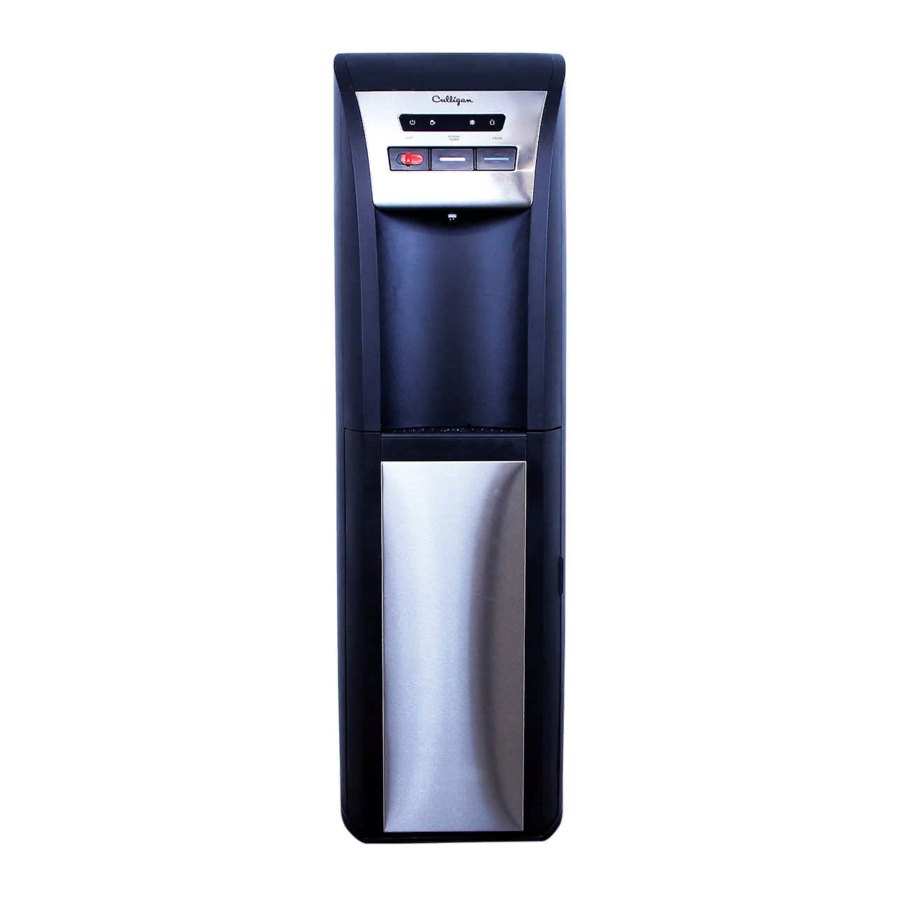
When your Culligan water cooler fails to deliver properly hot water, check for a tripped high-limit safety switch before assuming component failure. Most Culligan models feature a manual reset button on the hot tank—usually a small red button requiring firm pressure. If you hear a distinct “click,” the safety mechanism had activated due to overheating. Allow 15 minutes for the system to reset, then test the hot water function again.
Persistent heating issues typically indicate a failed heating element or thermostat. Unlike cooling components, Culligan hot water systems don’t involve refrigerants, making some repairs more accessible. However, electrical components near water present serious safety risks. Always unplug the unit and wait 30 minutes before inspecting internal components—the hot tank retains dangerous temperatures long after shutdown. If resetting doesn’t work and you’re uncomfortable with electrical diagnostics, this becomes a job for professional Culligan water cooler repair technicians.
Stopping Water Leaks in Your Culligan Cooler
Water pooling beneath your Culligan unit demands immediate attention to prevent floor damage and electrical hazards. Begin by checking the most accessible points: the bottle cap seal, drip tray overflow, and drain plug at the tray’s rear. A loose bottle cap causes approximately 40% of apparent leaks, while clogged drip tray drains create the illusion of internal failure. Remove and clean the drip tray thoroughly, ensuring the drain hole is clear of debris.
True internal leaks require careful diagnosis. With the unit unplugged and bottles removed, dry all accessible surfaces completely, then monitor where new moisture appears. Leaks originating from the unit’s base typically indicate a cracked reservoir tank, while moisture near connection points suggests failed O-rings or loose fittings. Important: Internal tank failures generally require professional Culligan water cooler repair—attempting DIY fixes often creates more extensive damage.
Culligan Leak Diagnostic Checklist
- ✅ Check bottle cap seal for cracks or debris
- ✅ Inspect drip tray for proper seating and overflow
- ✅ Verify drain plug is tightened securely
- ✅ Examine tubing connections for looseness
- ✅ Test with empty bottle to isolate external vs internal leaks
Eliminating Strange Noises From Your Culligan Unit
Normal Culligan operation includes a gentle compressor hum, but new or excessive noises signal developing problems. A loud rattling sound typically indicates loose panels or mounting hardware—simply tightening screws often resolves this common issue. Gurgling or bubbling noises during cooling cycles suggest refrigerant problems that require professional attention, as only EPA-certified technicians can legally handle refrigerant systems.
Persistent buzzing or clicking sounds usually point to failing components like the compressor start relay or fan motor. Before assuming catastrophic failure, ensure your Culligan unit sits perfectly level—a slight tilt can cause unusual vibrations that mimic internal problems. Place a level on top of the cooler and adjust the feet as needed. If noises continue after leveling and basic checks, professional diagnosis becomes necessary to prevent further damage.
Solving Electrical Issues in Culligan Water Coolers

Complete power failure in your Culligan water cooler requires systematic electrical troubleshooting. Start by verifying the outlet functions with another appliance—many office environments use switched outlets that may have been accidentally turned off. Next, check for a tripped GFCI outlet nearby, as these safety devices often protect kitchen and breakroom circuits.
If power reaches the unit but nothing operates, the thermal fuse (typically mounted on the back panel) may have blown. This safety device cuts power during overheating events and requires replacement rather than resetting. Critical safety note: Always unplug the unit and wait 30 minutes before inspecting internal components—Culligan coolers contain capacitors that store dangerous electrical charges even when unplugged.
Removing Bad Tastes and Odors From Culligan Water
Stale or unpleasant tastes in your Culligan water almost always trace back to filter issues or bacterial growth. Replace the filter according to Culligan’s schedule (typically every six months), as expired filters lose effectiveness and can develop biological growth. After filter replacement, run several gallons of water through the system to flush carbon fines that cause temporary taste issues.
When taste problems persist after filter changes, perform a deep sanitation cycle using Culligan’s recommended cleaner or a food-grade sanitizer solution. Mix one teaspoon of unscented household bleach per gallon of water, circulate through the system, and allow it to sit for 20 minutes before thorough flushing. This Culligan water cooler repair procedure eliminates microbial growth in reservoirs and tubing that causes persistent off-flavors.
Critical Safety Steps Before Any Culligan Repair
Always unplug your Culligan water cooler and disconnect the water bottle before any inspection or repair attempt—this prevents electrical hazards and accidental flooding. Allow 30 minutes for capacitors to discharge after unplugging, as stored electricity can cause serious injury. When working with internal components, wear rubber-soled shoes and use insulated tools to minimize shock risk.
Never attempt refrigerant-related repairs yourself—EPA regulations require certification for handling these substances. Similarly, avoid disassembling sealed compressor units or electrical control boards unless you have specific training. For most Culligan water cooler repair scenarios, focus on user-serviceable components like filters, drip trays, and external connections where risks remain manageable.
Preventing Future Culligan Water Cooler Problems
Implement these maintenance habits to minimize future Culligan water cooler repair needs: Replace filters every six months without exception, clean the air filter quarterly, and sanitize internal components biannually. Keep at least four inches of clearance around all sides of the unit, especially the rear panel, to ensure proper airflow to the compressor system.
Schedule a professional maintenance check every 18-24 months even if your Culligan unit seems to be functioning perfectly—technicians can identify developing issues before they cause failures. Most importantly, address minor problems immediately rather than waiting for complete breakdown. A slight reduction in water flow or minor temperature inconsistency often signals developing issues that simple Culligan water cooler repair can resolve before they escalate.
Knowing When to Call a Culligan Professional Technician
While many issues yield to DIY Culligan water cooler repair, certain problems require professional intervention. Call a certified Culligan technician when you encounter refrigerant leaks (indicated by gurgling sounds or poor cooling despite clean filters), internal tank cracks, compressor failure, or complex electrical issues involving the control board. These situations involve specialized tools, parts, and certifications that exceed safe DIY parameters.
Attempting advanced repairs without proper training often creates additional damage that increases service costs. If you’re uncertain about any aspect of the repair process, or if basic troubleshooting hasn’t resolved the issue within 30 minutes, contact Culligan support. Their technicians carry model-specific parts and have access to service bulletins addressing known issues with your particular cooler—potentially saving you time, money, and frustration in the long run.