
Ever wonder how your road trip cooler keeps drinks cold without ice while you’re driving down the highway? That compact 12-volt cooler plugged into your car’s power socket operates through fascinating thermoelectric technology that’s fundamentally different from your home refrigerator. Understanding how does a 12 volt cooler work reveals why these portable units have become essential for road trips, camping adventures, and even keeping medication properly chilled on the go.
Unlike traditional refrigerators that use compressors and chemical refrigerants, these portable coolers rely on solid-state technology that converts electricity directly into cooling power. At the heart of your 12V cooler is a Peltier module—a compact semiconductor device that creates a temperature difference when electricity flows through it. This guide will break down exactly how does a 12 volt cooler work, from the electron-level physics to practical usage tips that maximize its cooling potential in your vehicle or at your campsite.
The Peltier Effect: Where Cooling Begins
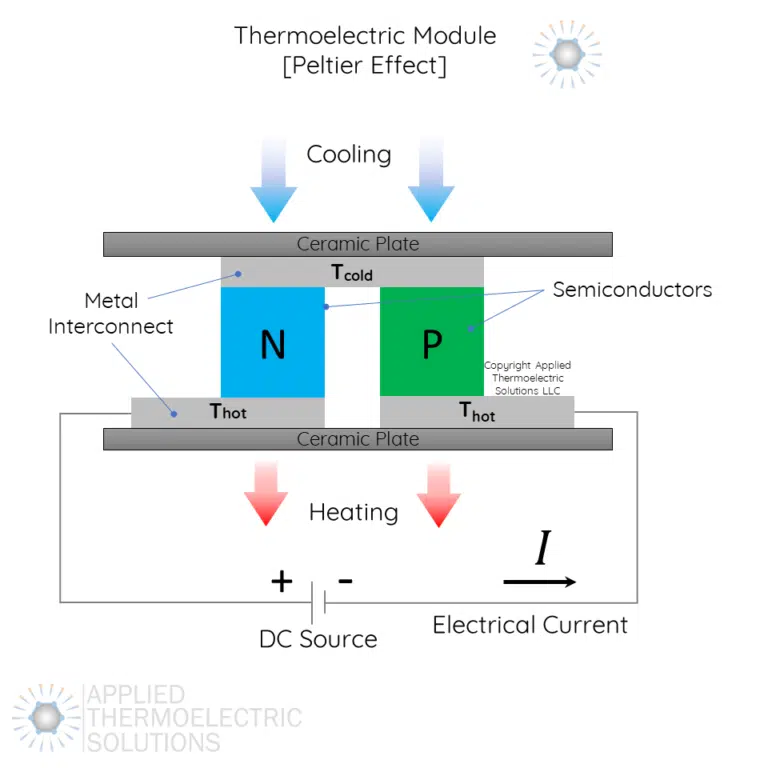
When you plug in your 12V cooler, electricity flows through the Peltier module, triggering the thermoelectric effect that makes your drinks cold. This solid-state device contains semiconductor materials, typically bismuth telluride, sandwiched between two ceramic plates. As DC current passes through this module, electrons move from one semiconductor material to another, absorbing heat energy on one side while releasing it on the opposite side.
Cold Side Heat Absorption Explained
The side of the Peltier module facing the cooler’s interior actively pulls thermal energy from your beverages and food. This cold side can typically achieve temperatures up to 40°F (22°C) below the surrounding ambient temperature under ideal conditions. For example, when the outside air measures 75°F (24°C), your cooler’s interior can reach approximately 35°F (2°C)—perfect for keeping drinks refreshingly cold.
Hot Side Heat Dissipation Process
While the cold side absorbs heat from your cooler’s contents, the opposite side becomes significantly hotter as it releases that same thermal energy. This hot side requires immediate and efficient heat removal, or the cooling process would quickly fail. Without proper heat dissipation, the Peltier module would simply transfer heat from one side to the other without creating a meaningful temperature difference.
Critical Components That Make 12V Cooling Possible
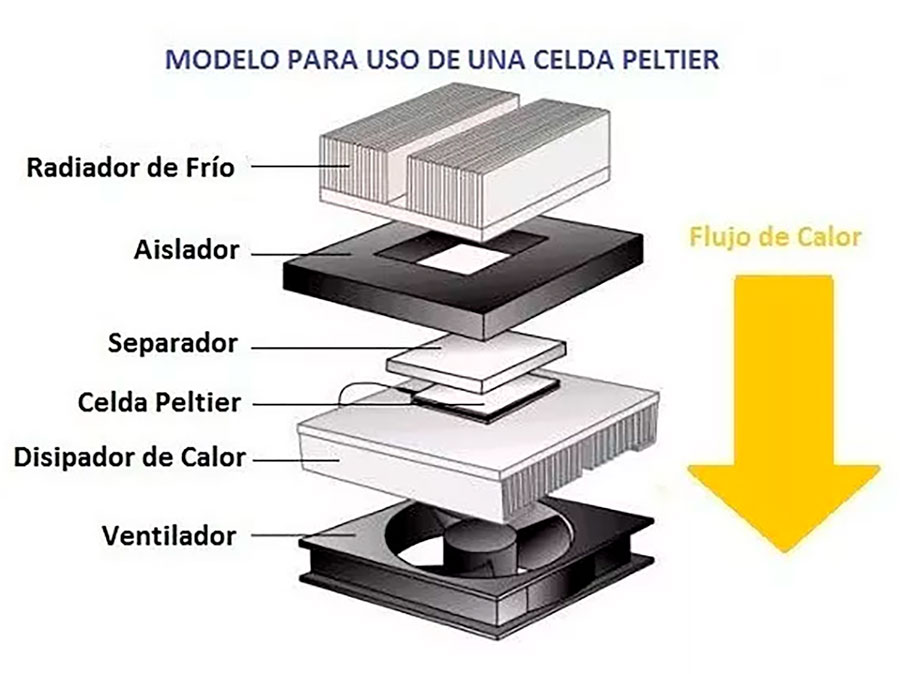
Your 12-volt cooler isn’t just a simple box with a cooling element—it’s an engineered system where multiple components work together to maintain that perfect chill.
Heat Sink and Fan System: The Unsung Heroes
The aluminum heat sink attached to the hot side of the Peltier module features numerous fins that maximize surface area for heat transfer. A powerful fan then blows air across these fins, pulling the waste heat away from the module and exhausting it outside the cooler. This component is why you’ll notice warm air blowing from the vents on the side or back of your cooler—this is the heat being actively removed from your beverages.
Dual Fan System for Optimal Performance
Most quality 12V coolers incorporate two separate fans: one dedicated to cooling the hot side heat sink, and another inside the cooling compartment. The internal fan circulates the cooled air throughout the entire space, preventing cold spots and ensuring even temperature distribution. Without this internal circulation, you’d find only the items directly touching the cold plate would stay properly chilled.
Insulation: The Secret to Energy Efficiency
Thick insulation surrounding the cooling chamber plays a critical role in how does a 12 volt cooler work efficiently. This insulation—typically polyurethane foam—creates a thermal barrier that prevents outside heat from entering and cold air from escaping. Better insulation means the Peltier module doesn’t have to work as hard, reducing power consumption and extending your vehicle battery life during use.
Power Requirements and Performance Realities
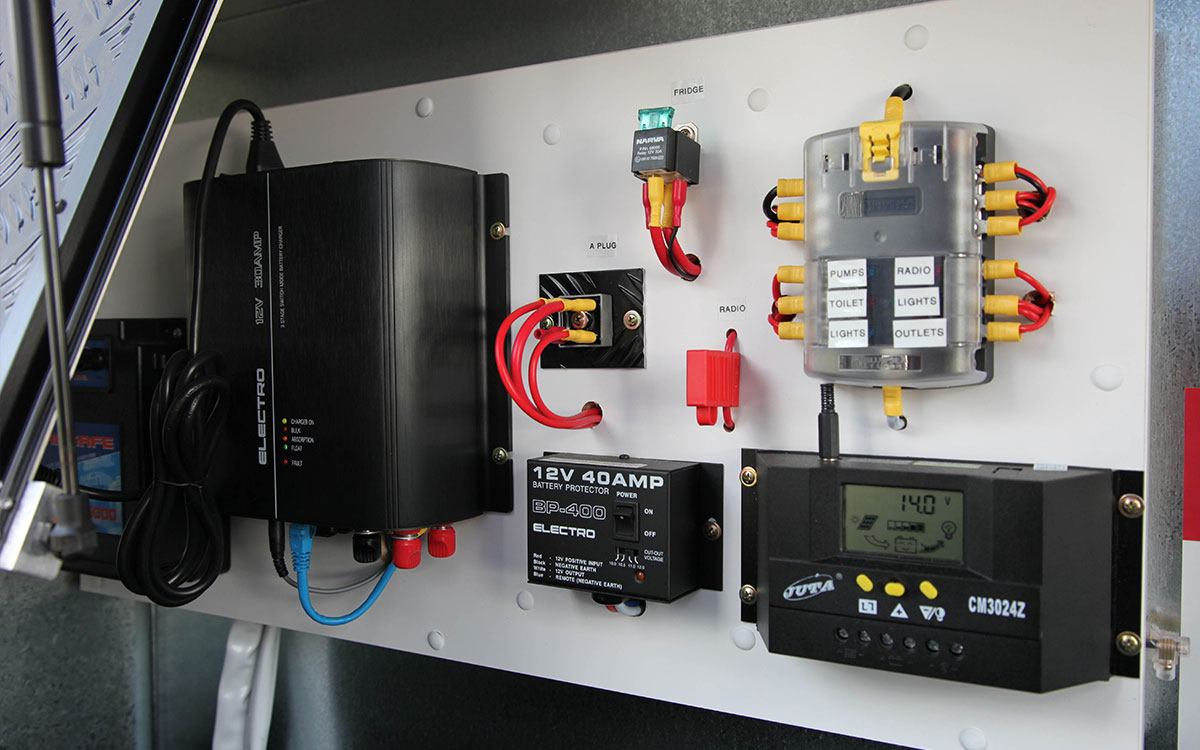
Understanding your 12V cooler’s electrical needs is crucial for avoiding drained car batteries and ensuring reliable cooling performance.
Wattage and Amp Draw Explained
Most portable coolers draw between 45-60 watts during operation, translating to approximately 4-5 amps at 12 volts. This continuous power draw means your cooler will consume about 5 amp-hours for every hour of operation. If you’re using a standard car battery with a 50 amp-hour capacity, running your cooler for more than 8-10 hours with the engine off could leave you stranded with a dead battery.
Temperature Limitations You Must Know
The critical limitation of thermoelectric cooling is that it can only maintain a temperature approximately 40°F (22°C) below the ambient temperature. If you’re driving through a desert where outside temperatures reach 100°F (38°C), your cooler will only achieve about 60°F (16°C) inside—perfect for cool drinks but not cold enough for frozen items. This explains why your cooler performs better on a mild spring day than during a summer heatwave.
Cooling Speed and Capacity Factors
A properly functioning 12V cooler will typically lower the temperature of a room-temperature 12-ounce beverage to a refreshing 40°F (4°C) in about 25 minutes. However, this cooling speed depends heavily on several factors: how full the cooler is, whether contents are pre-chilled, ambient temperature, and whether the unit has adequate ventilation for heat dissipation.
Thermoelectric vs. Compressor Coolers: Choosing What Works for You
When a 12V Thermoelectric Cooler Shines
Thermoelectric coolers excel in specific scenarios where portability and simplicity matter most. They’re ideal for:
– Short to medium-length road trips where you can keep the engine running periodically
– Car camping where you can plug into your vehicle during the day
– Office or home use where AC power is available
– Situations requiring quiet operation (only fan noise)
– Applications needing both cooling and warming functions
Recognizing Thermoelectric Limitations
These coolers cannot reach freezing temperatures regardless of ambient conditions, making them unsuitable for:
– Long off-grid adventures without supplemental power
– Keeping frozen items solid for extended periods
– Extremely hot environments where the temperature difference requirement exceeds 40°F
– Applications requiring precise temperature control below 40°F
Proven Strategies to Maximize Your 12V Cooler’s Performance
Pre-Cooling: The Single Most Effective Technique
Before adding room-temperature beverages to your cooler, run it for 15-20 minutes with the lid closed to establish a cold environment. Place pre-chilled items inside rather than warm ones, and consider adding frozen water bottles or gel packs to create thermal mass that helps maintain cold temperatures during brief power interruptions.
Power Management Mastery
Connect your cooler directly to your vehicle’s battery terminals using alligator clips rather than the cigarette lighter socket when camping overnight—this prevents draining your starting battery while allowing you to monitor voltage with a simple multimeter. Many experienced users install a secondary “house” battery specifically for powering coolers and other accessories during extended off-grid adventures.
Ventilation Optimization
Position your cooler so that at least 6 inches of clearance exists around the exhaust vents, especially on the side where hot air is expelled. Blocking these vents—even partially with camping gear—can reduce cooling performance by up to 50% as the Peltier module overheats. When possible, place the cooler in the shade rather than direct sunlight to reduce the ambient temperature it’s working against.
Essential Maintenance Practices for Longevity
Wipe down the interior weekly with a baking soda solution to prevent odors and mold growth, paying special attention to the drain hole at the bottom. Every few months, use compressed air to clean dust from the external heat sink fins and fans—accumulated dust can significantly reduce cooling efficiency. Before storing your cooler for the season, leave the lid slightly ajar to prevent musty smells and allow any residual moisture to evaporate.
Why Understanding How Does a 12 Volt Cooler Work Matters
Knowing the science behind your portable cooler transforms you from a passive user to an informed operator who can maximize performance and avoid common pitfalls. When you recognize that thermoelectric cooling depends on creating a temperature differential rather than achieving absolute cold temperatures, you’ll make smarter decisions about when to use ice packs alongside your cooler or when a compressor-based unit would better serve your needs.
Your 12V cooler represents an elegant application of physics that provides convenient, reliable cooling for countless adventures. By respecting its operational limits, optimizing your usage patterns, and maintaining the unit properly, you’ll enjoy years of reliable service keeping your refreshments perfectly chilled wherever the road takes you.