
You’ve carefully packed your cooler with food, drinks, and ice, but within hours the ice is melting faster than expected. How long does ice stay in a cooler when you’re at the beach, camping, or tailgating? The answer varies dramatically—from just 12 hours in a basic Styrofoam cooler to more than 10 days in a premium roto-molded model—depending on your cooler type, ice management, and environmental conditions. This isn’t just about convenience; improper ice retention can compromise food safety within hours. Discover exactly how long your ice should last based on real-world testing and proven techniques that can double your ice retention time, regardless of what cooler you own.
Why Premium Coolers Keep Ice 7x Longer Than Standard Models
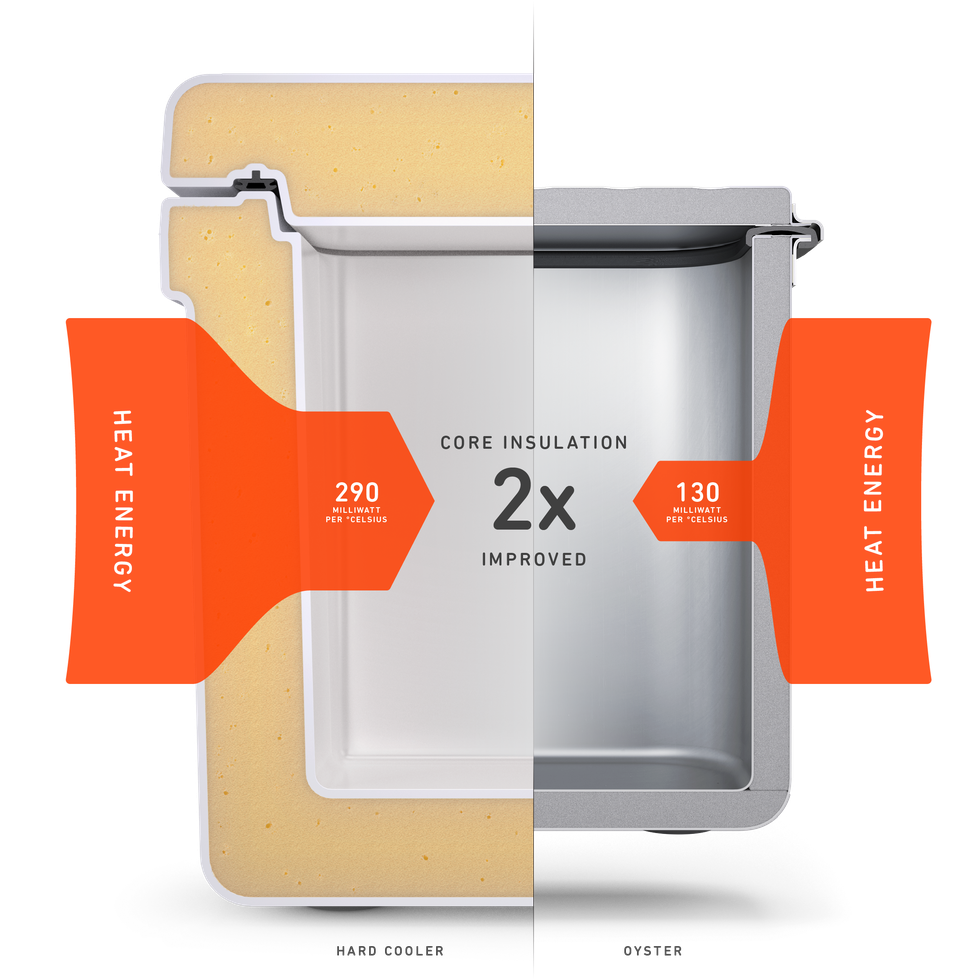
How Insulation Thickness Determines Ice Survival Time
Premium roto-molded coolers like Yeti, RTIC, and Orca maintain ice for 7-10 days at 70°F thanks to their 2-3 inches of high-density polyurethane foam insulation (R-value of 4.0-5.0), while standard coolers with just 1-1.5 inches of foam (R-value 1.5-2.5) typically fail after 24-48 hours. The foam density makes all the difference—premium coolers use 2.5-3.0 lb/ft³ foam compared to standard coolers’ 1.5-2.5 lb/ft³, creating a thermal barrier that slows heat transfer by 40-50% through the walls alone.
Block Ice vs. Cube Ice: Which Melts 30% Slower?
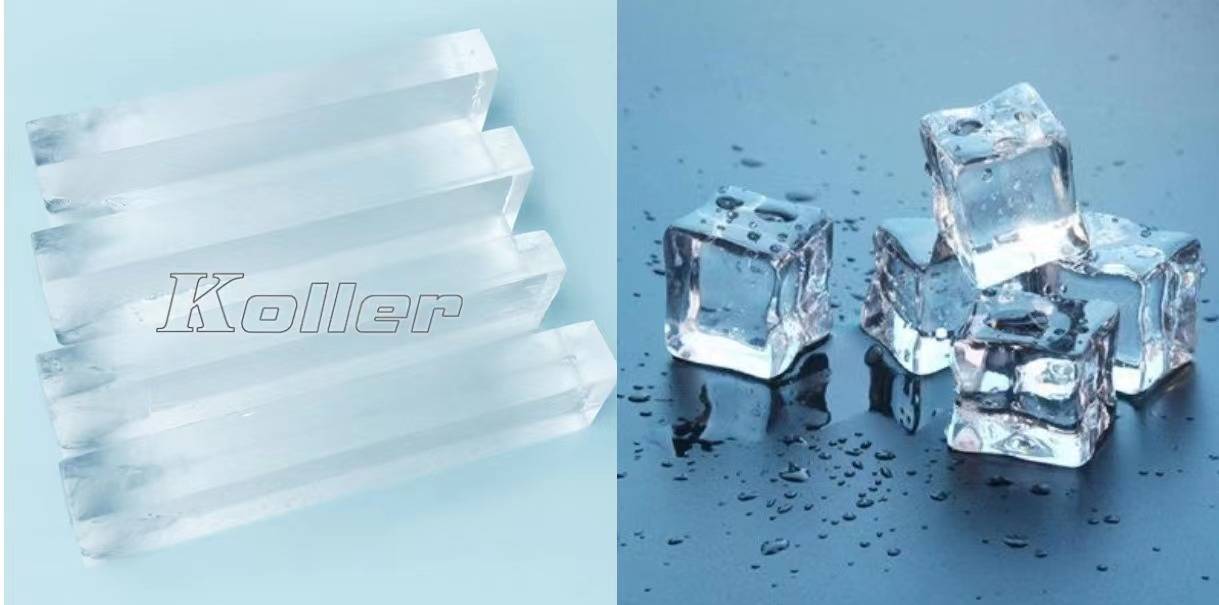
Your ice type dramatically impacts longevity. Block ice melts 20-30% slower than cube ice due to its lower surface area-to-volume ratio. At 72°F, block ice melts at 0.5-0.7 lbs/hour compared to cube ice’s 0.8-1.2 lbs/hour. For a weekend camping trip, use a 2:1 block-to-cube ratio—place block ice at the bottom as your foundation, then surround food with cubed ice for rapid cooling. This layered approach creates a cold reservoir that extends ice life by 25-40% compared to using cubes alone.
3 Pre-Trip Steps That Double Your Ice Retention Time
Pre-Chill Your Cooler Before Adding Ice (The 30% Game-Changer)
Never load ice into a room-temperature cooler—this single mistake can reduce ice life by 25-30%. Instead, place 1-2 bags of sacrificial ice in your empty cooler 2-3 hours before your trip. This pre-chilling step lowers the interior temperature to 35-40°F, reducing initial ice melt by 40-60%. For maximum effect, store your pre-chilled cooler in an air-conditioned space until departure. This simple technique is especially critical for standard coolers that lack premium insulation.
Perfect Packing Technique: The Layering Method That Works
Follow this precise sequence to maximize cold retention:
- Start with block ice at the bottom—this creates your long-lasting cold reservoir
- Place pre-chilled contents on top—warm items melt ice 3x faster than cold ones
- Fill all gaps with cubed ice—eliminating air pockets prevents warm spots
- Add a final ice layer on top—this insulates the contents from lid openings
- Place a dry towel over everything—this traps cold air when the lid opens
Drain Meltwater Every 4 Hours (The 50% Ice Life Booster)
This is the single most effective ice retention technique most people ignore. Water at 32°F transfers heat 4x faster than air, accelerating ice melt by 20-40%. Draining meltwater every 4-6 hours extends ice life by 30-50%—more than any other single technique. For weekend trips, open your drain plug periodically. For extended trips, use a turkey baster or small cup to remove water without fully opening the cooler. Continuous drainage systems (available on premium models) provide the ultimate 30-40% efficiency gain.
Cooler-Specific Ice Retention Cheat Sheet
Premium Roto-Molded Coolers (Yeti, RTIC, Orca)
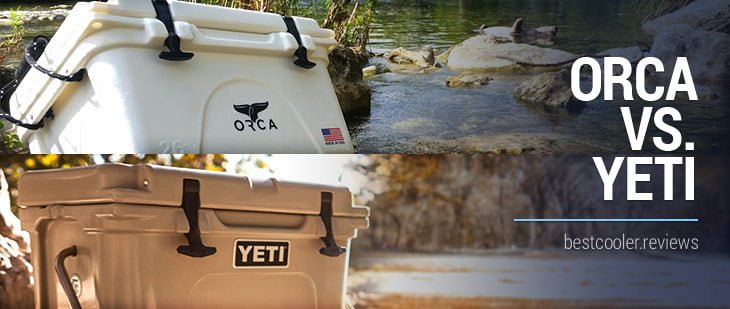
Expect 7-10 days of ice retention at 70°F with proper technique, dropping to 3-5 days in 90°F heat. These models melt ice at just 0.25-0.5 lbs/hour thanks to their 2-4 inch walls. For maximum performance: use 75% ice to 25% contents by volume, maintain continuous drainage, and keep the cooler shaded. With optimal management, these coolers can maintain ice for 10-14 days even in warm conditions.
Mid-Range Coolers (Igloo Marine, Coleman Premium)
These coolers deliver 3-5 days of ice retention at 70°F with strategic loading. They melt ice at 0.8-1.2 lbs/hour—nearly 3x faster than premium models. Critical success factors include: pre-chilling for 2+ hours, using a block/cube ice mix, and draining water every 4 hours. Without optimization, expect just 24-36 hours of ice retention even in moderate conditions.
Standard Hard-Sided Coolers
Standard coolers typically maintain ice for only 18-36 hours at 70°F due to thin 1-1.5 inch walls and poor seals. At room temperature, they melt ice at 1-2 lbs/hour. Extend their performance by: filling 60% with ice, keeping contents pre-chilled, and draining water every 4-6 hours. Even with perfect technique, don’t expect more than 48 hours of ice retention in standard models.
Styrofoam Coolers: The 12-Hour Reality Check
Disposable Styrofoam coolers retain ice for just 12-24 hours at 70°F, melting ice at 1.5-2.5 lbs/hour. Their single-layer foam and nonexistent seals make them suitable only for short trips. To maximize performance: pre-chill the cooler with ice for 30 minutes before loading, use block ice only, and keep the cooler in constant shade. Never expect more than one full day of ice retention from these models regardless of technique.
Extreme Condition Ice Survival Tactics

Desert Camping: How to Keep Ice for 5+ Days in 100°F Heat
When ambient temperatures soar, implement these critical adjustments:
- Pre-freeze water bottles—they act as massive ice packs that melt slower than regular ice
- Wrap cooler in reflective emergency blanket—reduces radiant heat gain by 15-25%
- Bury cooler partially in shade—the earth’s cooler temperature provides additional insulation
- Use dry ice as supplement—5-7 lbs sublimates to 250-280 cubic feet of CO₂ (requires ventilation)
Festival Survival: The Two-Cooler Strategy That Works
For events where you’ll access drinks frequently, deploy this pro technique:
- Use a small, cheap cooler for drinks—open this one regularly without disturbing your main cooler
- Keep your main cooler sealed—open it only 1-2 times per day for food access
- Pre-chill all drinks—reduces the ice needed by 40-60%
- Drain both coolers every 4 hours—critical for maintaining cold temperatures
The Drainage Frequency Ice Life Comparison
| Drainage Method | Ice Life Extension | Melt Rate Reduction | Best For |
|---|---|---|---|
| Continuous drainage | 30-50% | 25-35% | Premium coolers with drain plugs |
| Every 4 hours | 20-25% | 15-25% | Weekend trips, camping |
| Every 8 hours | 10-15% | 5-15% | Short trips, minimal ice needs |
| No drainage | 0% | 0% | Guaranteed rapid ice melt |
Final Ice Retention Checklist
Before your next trip, verify these critical factors that determine how long does ice stay in a cooler:
- Cooler quality—premium models last 3-5x longer than standard coolers
- Ice type—block ice extends longevity by 20-30% over cubes
- Pre-chilling—reduces initial ice melt by 40-60%
- Drainage frequency—the #1 factor you control (30-50% improvement)
- Ambient temperature—each 10°F increase reduces ice life by 15-20%
The most successful ice retention strategy combines proper cooler selection with disciplined technique. For weekend trips, a standard cooler with block ice, pre-chilled contents, and regular drainage will maintain ice for 48-72 hours. For extended adventures, invest in a premium cooler and implement continuous drainage—this combination can keep ice solid for 10-14 days even in warm conditions. Remember: the moment you close your cooler lid, the clock starts ticking on your ice. By understanding exactly how long does ice stay in a cooler under your specific conditions and implementing these proven techniques, you’ll never face melted ice and warm drinks again.