
That sweltering summer afternoon when your standard air cooler just isn’t cutting it—that’s when you realize the ice compartment could be your secret weapon. Knowing how to use ice box in air cooler properly transforms your unit from merely comfortable to refreshingly cold, especially during peak heat waves when every degree matters. Unlike standard air conditioning that guzzles electricity, your evaporative cooler with ice delivers targeted, energy-efficient relief exactly where you need it. In this guide, you’ll discover the precise methods to safely incorporate ice into your cooling system, avoid common mistakes that damage your unit, and achieve the coldest possible airflow without voiding your warranty. Whether you’re hosting an outdoor gathering or trying to sleep through a heatwave, these proven techniques will help you maximize your cooler’s performance when regular operation falls short.
Most people make the critical error of dumping loose ice cubes directly into their air cooler’s water tank, not realizing this can destroy the pump and create messy leaks. The truth is, ice works with your evaporative cooler through a simple but precise process: as the water pump circulates chilled water over the cooling pads, the evaporation rate increases dramatically, pulling more heat from the air passing through. When you add ice to the designated compartment, you’re essentially creating a “cold battery” that supercharges this natural cooling process. The result? Air that feels 10-15 degrees cooler than standard operation—without the massive energy bill of traditional AC. Let’s dive into exactly how to implement this correctly for your specific model.
Confirm Your Cooler’s Ice Compatibility First
Before touching any ice, you must verify whether your specific air cooler model can safely handle ice. Not all evaporative coolers are designed for ice use—some units have plastic components that become brittle in freezing temperatures, while others lack proper drainage that leads to water damage when ice melts. Check your owner’s manual for explicit instructions about ice usage, or look for physical indicators like a designated ice chamber, reinforced water tank, or manufacturer labels mentioning “ice compartment” functionality.
How to Identify Ice-Compatible Models
Examine your unit for telltale signs of ice compatibility. Most modern coolers designed for ice feature a separate, removable compartment specifically labeled for ice packs—often with a different color or texture than the main water tank. Budget models might only have a single water reservoir where you can cautiously add ice packs but not loose cubes. If your cooler has a clear window showing the water level, check whether the markings include an “ice fill line” distinct from the standard water line. When in doubt, contact the manufacturer directly with your model number rather than risking expensive damage.
Consequences of Using Ice in Non-Compatible Units
Adding ice to a cooler not designed for it creates multiple failure points. The thermal shock from sudden temperature changes can crack plastic reservoirs, while melting ice water can seep into electrical components not rated for direct moisture exposure. Most critically, loose ice cubes can jam the water pump impeller, causing immediate failure that requires complete replacement. These repairs often cost more than purchasing an ice-compatible model, not to mention the safety hazards of water near electrical systems. Never force ice functionality into a unit not engineered for it—your short-term comfort isn’t worth potential fire hazards or costly replacements.
Master the Ice Pack Method for Reliable Cooling

The ice pack method delivers maximum cooling with zero risk to your unit’s internal components. This approach uses sealed, reusable freezer packs that chill the water reservoir without introducing loose ice particles that could damage the pump. Unlike loose ice cubes that melt unevenly and create water level fluctuations, quality gel packs maintain consistent temperature for hours while protecting your cooler’s mechanical systems.
Step-by-Step Ice Pack Installation Guide
- Select medical-grade freezer packs designed for repeated freezing (avoid cheap party ice packs that leak colored gel). The ideal size fills about one-third of your ice compartment without blocking airflow channels.
- Freeze packs for at least 24 hours—partially frozen packs won’t deliver maximum cooling effect.
- Crucially, power down and unplug your cooler before accessing the water reservoir to prevent electrical hazards.
- Place frozen packs into the designated ice chamber or main water tank, ensuring they don’t obstruct the water pump intake.
- Immediately add cold tap water to the “Max Fill” line—running the pump without sufficient water causes irreversible damage within seconds.
Why Ice Packs Outperform Loose Ice Cubes
Ice packs maintain structural integrity throughout the cooling cycle, preventing pump clogs that occur when loose cubes shift position and jam impellers. They also melt slower than standard ice cubes, providing consistent cooling for 6-8 hours versus 2-3 hours with loose ice. Most importantly, quality freezer packs won’t dilute your water reservoir as they melt, maintaining optimal pump pressure and cooling efficiency. Never substitute loose ice cubes for proper freezer packs—the temporary convenience isn’t worth replacing a $150 pump assembly.
Implement the Iced Water Method for Instant Cooling
When immediate relief is critical—like during an unexpected heatwave—you can safely incorporate ice directly into your water reservoir with proper precautions. This method delivers the fastest temperature drop but requires careful execution to prevent damage. Unlike the ice pack method’s sustained cooling, iced water provides intense short-term relief perfect for events or sudden temperature spikes.
Safe Direct Ice Addition Protocol
- Power down and unplug your cooler completely before handling water components.
- Use only large, restaurant-style ice blocks or sealed ice bags—never standard ice cubes that easily fragment and clog pumps.
- Fill the reservoir with cold water first to cushion the ice’s thermal impact on plastic components.
- Add ice until it reaches the secondary “ice level” mark (typically 1-2 inches below the max water line).
- Wait 8-10 minutes for initial melting before restarting the unit—this allows water temperature to stabilize and prevents thermal shock.
Critical Timing Considerations
The iced water method works best when initiated 15-20 minutes before peak cooling demand. As ice melts rapidly during initial operation, the water temperature drops fastest in the first 30 minutes of use. For all-day events, plan to refresh ice every 2 hours when cooling effectiveness noticeably decreases. Never leave ice in the reservoir overnight—prolonged exposure to cold temperatures can warp plastic components and degrade seals, leading to chronic leaks.
Optimize Performance with Pro Cooling Techniques
Simple ice addition provides noticeable improvement, but these advanced techniques unlock your cooler’s maximum potential. The difference between basic ice usage and strategic implementation can mean 5-7 additional degrees of cooling capacity—enough to transform uncomfortable spaces into refreshingly cool retreats.
Dual-Chamber Cooling Strategy
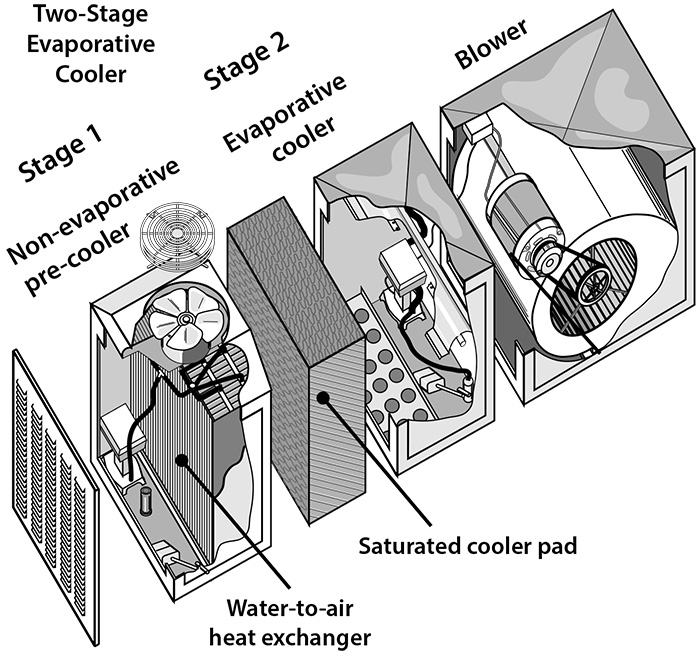
For models with separate ice compartments and water tanks, implement this professional technique: fill the ice chamber with frozen packs while simultaneously using pre-chilled bottled water in the main reservoir. The ice packs maintain a consistently cold environment around the pump, while the refrigerated water enters the system already at 40°F rather than room temperature. This dual approach creates a cumulative cooling effect that standard operation can’t match, particularly effective in spaces above 90°F.
Strategic Placement for Maximum Airflow
Position your ice-enhanced cooler directly in the path of a cross-breeze—ideally between an open window and door. The cooler pulls in hot outside air, chills it through the ice-enhanced evaporation process, then expels the cooled air directly into your living space. This placement increases cooling efficiency by up to 40% compared to corner placement where airflow becomes restricted. During peak afternoon heat, angle the cooler toward your primary seating area for immediate personal cooling.
Prevent Costly Damage with Essential Maintenance
Ice dramatically improves cooling but introduces unique maintenance requirements. Neglecting these simple procedures turns your cooling solution into an expensive repair project within weeks. The most common failures—pump burnout, mold growth, and mineral buildup—stem from improper ice usage rather than equipment defects.
Daily Post-Use Protocol
After each ice-enhanced cooling session, completely drain both the main reservoir and ice compartment. Residual water left overnight becomes breeding ground for mold that clogs cooling pads and creates health hazards. Wipe down all surfaces with a vinegar-water solution (1:3 ratio) to neutralize mineral deposits and biological growth. Store the unit with all compartments open to ensure complete drying—never store with ice packs still inside as residual moisture accelerates corrosion.
Warning: The Silent Pump Killer
:max_bytes(150000):strip_icc()/parts-of-a-swamp-cooler-2718628-a477e6f0787b4f8bb62ddf2def31d495.png)
Running your cooler without sufficient water is the #1 cause of pump failure—and ice usage makes this mistake more likely. As ice melts, water levels drop faster than with standard operation, potentially exposing the pump below the minimum line. Always check water levels hourly during ice-enhanced operation and top up with cold water as needed. If you hear unusual grinding noises, power down immediately—continued operation can destroy the pump in under 60 seconds.
When Ice Isn’t the Right Solution
Despite its benefits, ice enhancement isn’t universally appropriate. In high-humidity environments above 60% relative humidity, evaporative cooling becomes significantly less effective regardless of ice usage. Similarly, units with existing mineral scale buildup won’t benefit from ice—the clogged pads prevent proper water distribution regardless of temperature. If your cooler already produces consistently cold air without ice during normal operation, adding ice creates unnecessary wear without meaningful improvement.
By implementing these precise ice techniques while respecting your unit’s limitations, you’ll transform your air cooler into a powerful personal climate solution. The key isn’t just adding ice—it’s integrating it strategically while protecting your investment through proper maintenance. Start with the ice pack method tonight, and experience noticeably cooler air by tomorrow afternoon without the energy costs of traditional air conditioning. For best results, combine these ice techniques with regular pad cleaning and strategic placement to create your own personal oasis even during the hottest days of summer.