
If your air conditioner runs constantly yet your home still feels uncomfortably warm, you’re not alone. Most homeowners struggle with keeping their house cooler during peak summer months, often unaware that their cooling system can only maintain about a 20°F temperature difference from the outside heat. When outdoor temperatures soar above 95°F, even a properly sized AC system may struggle to deliver that crisp 72°F comfort you expect. The good news is that effective cooling isn’t just about cranking your thermostat lower—it’s about implementing strategic approaches that work with your home’s design rather than against it. This guide reveals 12 practical, scientifically validated methods to keep your house cooler without breaking the bank or overworking your HVAC system.
Why Your AC Can’t Maintain 72°F When It’s Over 95°F Outside
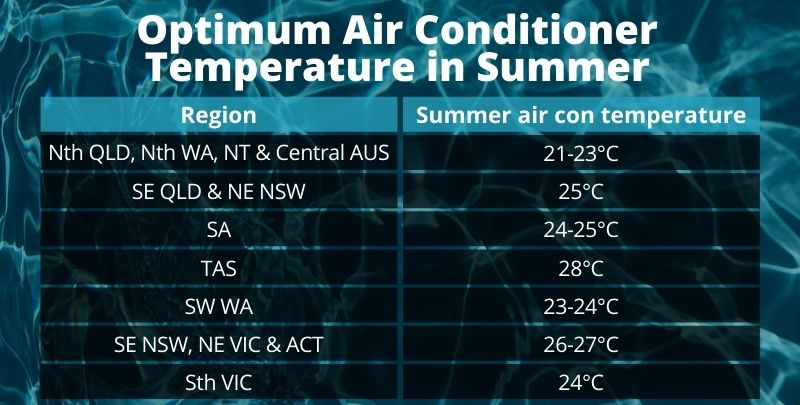
Understanding your air conditioner’s limitations is the first step to keeping your house cooler. Residential cooling systems are engineered to maintain only about a 20°F temperature difference below the outdoor ambient temperature. This means when it’s 95°F outside, your system is designed to cool your home to approximately 75°F—not the 72°F many homeowners expect.
How Aging Systems Lose Cooling Capacity
Air conditioning units older than 10-15 years experience significant efficiency declines, sometimes up to 20% loss in cooling capacity. This degradation means your aging system might only maintain a 16-18°F temperature difference during extreme heat. If you notice your AC running constantly but failing to reach your desired temperature, age-related wear could be the culprit rather than an undersized unit.
The Critical Role of Proper System Sizing
Many cooling problems stem from incorrectly sized equipment. Professional contractors use Manual J calculations to determine precise cooling requirements based on your home’s square footage, window count and size, insulation levels, and local climate data. An oversized system cools too quickly without adequately removing humidity, leaving you with a cold but clammy environment. An undersized system runs continuously without reaching your target temperature.
Set Your Thermostat to 78°F for Maximum Cooling Efficiency
The most immediate and impactful change you can make to keep your house cooler involves proper thermostat management—without increasing your energy consumption.
Why Constant Temperature Beats Extreme Setbacks
Contrary to popular belief, maintaining a consistent indoor temperature (even when unoccupied) reduces the thermal mass cooling load and prevents your system from operating in inefficient “catch-up” mode. During extreme heat events (over 100°F), avoid turning your AC off completely when away. The massive energy required to cool your home from 90°F+ back to 78°F often exceeds the energy saved during your absence.
Smart Thermostat Programming That Actually Works
Program your thermostat to maintain 78°F when home for optimal comfort and efficiency. When away for 8+ hours, raise settings by 7-10°F (4-6°C), but never more than that during extreme heat. Modern smart thermostats with geofencing capabilities can learn your schedule and begin cooling 30-60 minutes before you return, ensuring comfort upon arrival without wasting energy cooling an empty house.
Stop Solar Heat Gain: Block 60% of Window Heat with Proper Treatments
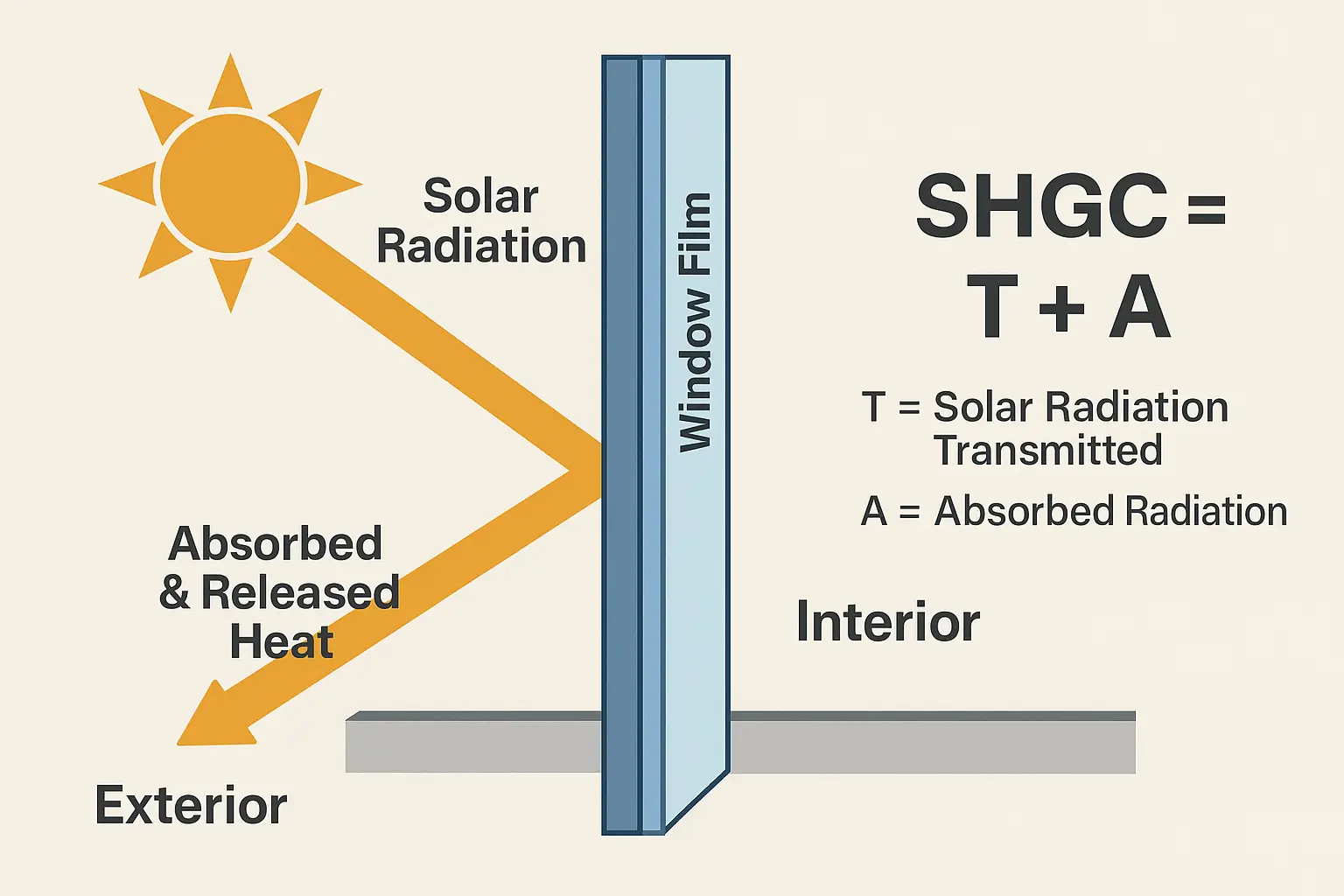
Windows contribute up to 30% of your home’s cooling load, making them prime targets for effective cooling strategies. The key is stopping heat before it enters your living space.
Choose the Right Window Films and Treatments
Install solar control window films with high infrared rejection rates (up to 80%) while maintaining visibility. For immediate results, use cellular (honeycomb) shades with white or reflective backing on south- and west-facing windows. These specialized treatments can block up to 60% of solar heat gain when properly deployed during peak sun hours (10 AM to 4 PM).
Why Exterior Shading Outperforms Interior Solutions
Blocking sunlight before it hits your glass is significantly more effective than interior treatments. Install awnings over south- and west-facing windows to block up to 77% of solar heat. Consider exterior solar screens or shades mounted directly on the outside of your windows, which stop heat energy before it even touches the glass surface.
Seal Air Leaks That Let Hot Air Invade Your Home

The tiny gaps and cracks around your home’s perimeter allow hot, humid outdoor air to infiltrate, forcing your AC to work harder to maintain comfort.
Target These 5 Common Air Leak Locations
Focus your sealing efforts on these critical areas:
– Around window and door frames (especially older homes)
– Electrical outlets and switches on exterior walls
– Recessed lighting fixtures in ceilings
– Attic hatches and access points
– Plumbing penetrations through walls and floors
Proper Sealing Materials for Maximum Effectiveness
Use weatherstripping for movable components like doors and operable windows. Apply high-quality caulk (silicone or polyurethane-based) for stationary gaps and cracks. For larger openings in your attic, use expanding foam carefully to avoid overfilling. A professional energy audit with a blower door test can pinpoint exactly where your home is leaking conditioned air.
Boost Attic Insulation to R-38+ for Summer Comfort
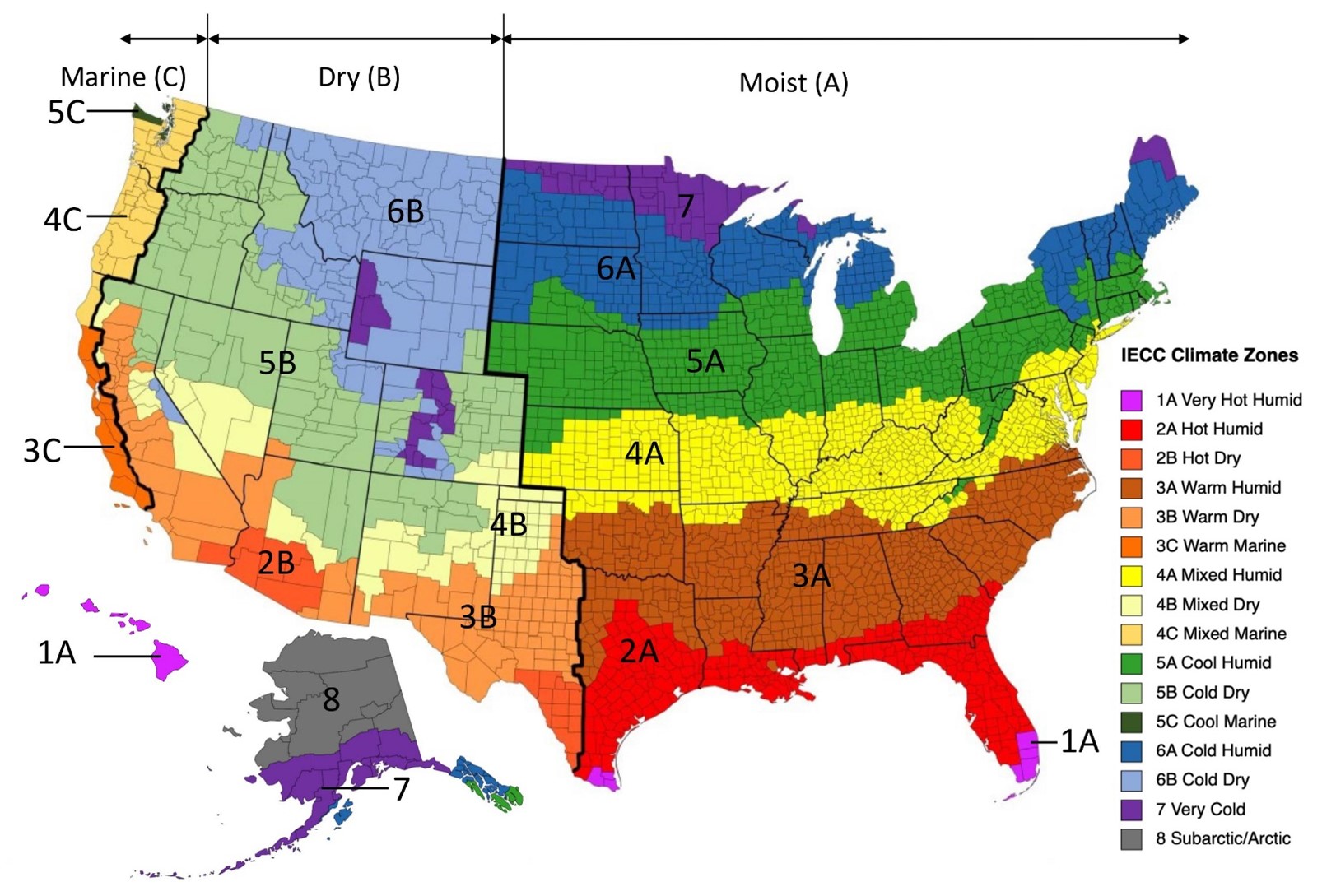
Your attic insulation is your first line of defense against heat transfer from your roof into living spaces. Inadequate insulation allows excessive heat to soak into your home.
Determine Your Climate Zone’s Insulation Requirements
The U.S. Department of Energy recommends attic insulation levels ranging from R-38 to R-60 depending on your specific climate zone. Most existing homes fall significantly short of these recommendations. If your insulation is less than 12 inches deep (for fiberglass batts), you likely need additional coverage.
The Critical Connection Between Insulation and Air Sealing
Adding insulation without addressing air leaks is like putting a bandage on a wound that’s still bleeding. Seal all attic bypasses first—those hidden pathways where conditioned air escapes into the attic—before adding new insulation. This combined approach can reduce cooling loads by 20-25% in typical homes.
AC Airflow Fix: Ensure 350-400 CFM Per Ton for Optimal Cooling
Your air conditioner’s performance depends heavily on proper airflow across the evaporator coil. Restricted airflow dramatically reduces cooling capacity while increasing energy consumption.
Simple Maintenance Tasks That Restore Cooling Performance
Check these airflow-critical components monthly:
– Replace or clean HVAC filters every 1-3 months (dirty filters restrict airflow by up to 50%)
– Ensure all supply and return vents are unobstructed by furniture or drapes
– Trim vegetation at least 2 feet away from outdoor condensing units
– Verify indoor blower components are clean and functioning properly
When to Call a Professional for Airflow Optimization
If you’ve addressed basic maintenance but still experience poor cooling, have an HVAC technician measure your system’s actual airflow. Target airflow should be 350-400 CFM per ton of cooling capacity. Duct leakage in unconditioned spaces (like attics) can waste 20-40% of your cooled air—sealing these with mastic or metal tape (not duct tape) provides immediate cooling improvements.
Create an Action Plan: Immediate, Short-Term, and Long-Term Cooling Strategies
Implementing a phased approach ensures you maximize cooling improvements while managing costs effectively.
Immediate Actions You Can Take Today
Complete these no-cost or low-cost steps this weekend:
– Set thermostat to 78°F when home, 85°F when away for extended periods
– Close blinds and drapes on east-facing windows by 9 AM and west-facing windows by 2 PM
– Replace your HVAC filter with the correct size and MERV rating
– Turn off heat-generating appliances (ovens, incandescent bulbs) during peak heat
Short-Term Investments (This Season)
Within the next 1-3 months, prioritize:
– Installing cellular shades on major sun-exposed windows
– Adding weatherstripping to drafty doors and windows
– Scheduling professional HVAC maintenance
– Applying solar control window film to problem windows
Long-Term Solutions for Permanent Cooling Improvement
When planning future investments:
– Upgrade attic insulation to R-38+ based on your climate zone
– Consider a cool roof coating or replacement during your next re-roofing
– Replace aging AC systems (10+ years old) with high-SEER models
– Plant deciduous trees on south and west sides for natural summer shading
By implementing these science-backed strategies in sequence, you’ll create a comprehensive approach to keep your house cooler while reducing strain on your cooling system. Start with the immediate actions that cost nothing but a few minutes of your time, then build toward the more substantial improvements as your budget allows. The cumulative effect of these measures can reduce your cooling needs by 30-50%, making your home more comfortable even during the hottest days of summer.