
Picture this: It’s 15°F outside, wind whipping through bare trees, and a community cat shivering against a frozen fence. You want to help but don’t know where to start. The solution is shockingly simple—a $5 foam cooler transformed into a life-saving refuge. How to make a cat shelter out of a cooler is the fastest, most effective way to protect outdoor cats from hypothermia during brutal weather. Unlike flimsy cardboard boxes or drafty doghouses, a properly built cooler shelter leverages styrofoam’s natural insulation to trap body heat, keeping interiors 25–30°F warmer than outside air. In this guide, you’ll learn the exact steps to build a fire-safe, waterproof shelter that prevents deadly moisture traps—and avoid the three fatal mistakes 90% of DIYers make with heating pads and bedding.
Thousands of TNR (Trap-Neuter-Return) volunteers rely on this method because it works. A single 1-inch-thick styrofoam cooler creates a thermal barrier that repels rain, snow, and freezing winds while weighing under 10 pounds for easy placement. But skip one critical safety step—like using the wrong bedding—and you could accidentally create a hypothermia trap. By the end of this guide, you’ll have a cat-proofed shelter ready in under 45 minutes, using tools from your garage and materials under $20. Let’s build a sanctuary that could save lives this winter.
Why Foam Coolers Beat All Other DIY Cat Shelters in Subzero Weather
Styrofoam coolers aren’t just convenient—they’re scientifically ideal for cat survival. Unlike wood or plastic containers, 1-inch-thick expanded polystyrene (EPS) foam has a thermal resistance (R-value) of 4–5 per inch, meaning it slows heat transfer 5x better than fiberglass insulation. When a cat curls inside, their body heat bounces off the foam walls instead of escaping, creating a microclimate. Crucially, EPS is 100% waterproof, preventing rain or snowmelt from seeping in and turning bedding into an ice trap. You’ll also avoid the weight and cost of specialized animal shelters—most coolers cost under $10 at dollar stores. Just ensure yours is unused and free of chemical residues; lingering food odors or cleaning solvents will repel cats.
5 Deadly Cat Shelter Mistakes That Start Fires or Cause Hypothermia
Skipping these safety steps risks cat fatalities—never ignore them:
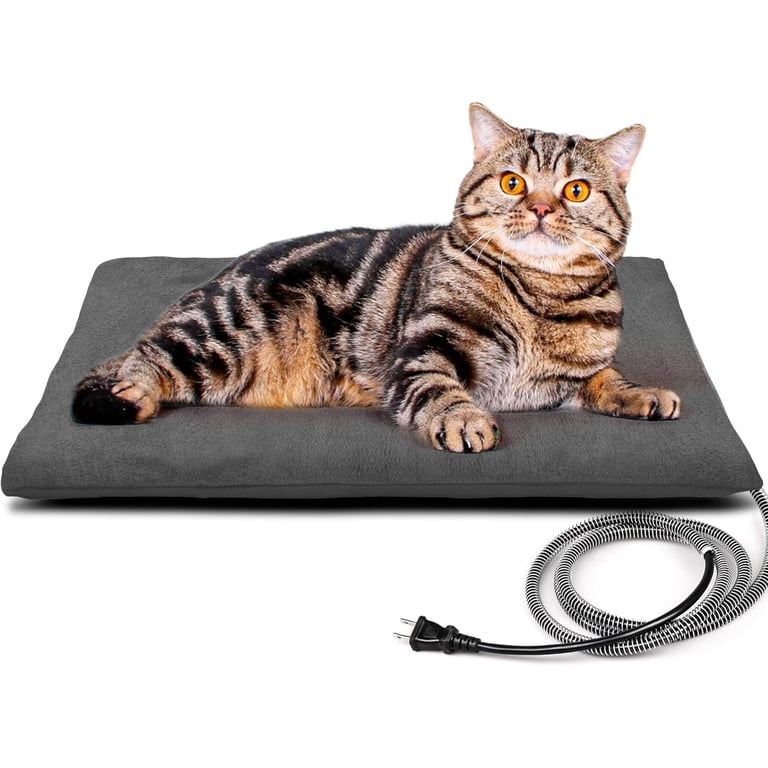
- ❌ Using human heating pads or electric blankets: Standard pads lack temperature regulation and can exceed 175°F—hot enough to melt styrofoam and release toxic fumes. Cats can’t escape if pads overheat to 200°F+ (common with non-pet models). Only use K&H or Kitty Tube outdoor pet pads, which cap at 102–104°F.
- ❌ Stuffing shelters with blankets, towels, or hay: Fabric absorbs moisture like a sponge. When cats enter wet from snow, towels freeze against their fur, accelerating heat loss. Hay molds quickly, causing respiratory infections.
- ❌ Skipping the non-flammable floor barrier: Direct contact between a heating pad and styrofoam risks fire. Always place ¼-inch plywood or corrugated plastic between them.
- ❌ Adding cedar or pine shavings: Toxic phenols in these woods cause liver damage and breathing issues in cats.
- ❌ Installing two entrances: Dual doors create a wind tunnel that drops interior temps by 15°F. One small entrance is critical for heat retention.
Your Exact Shopping List for a Fire-Safe Cooler Shelter
Gather these before starting—you’ll need nothing fancy:
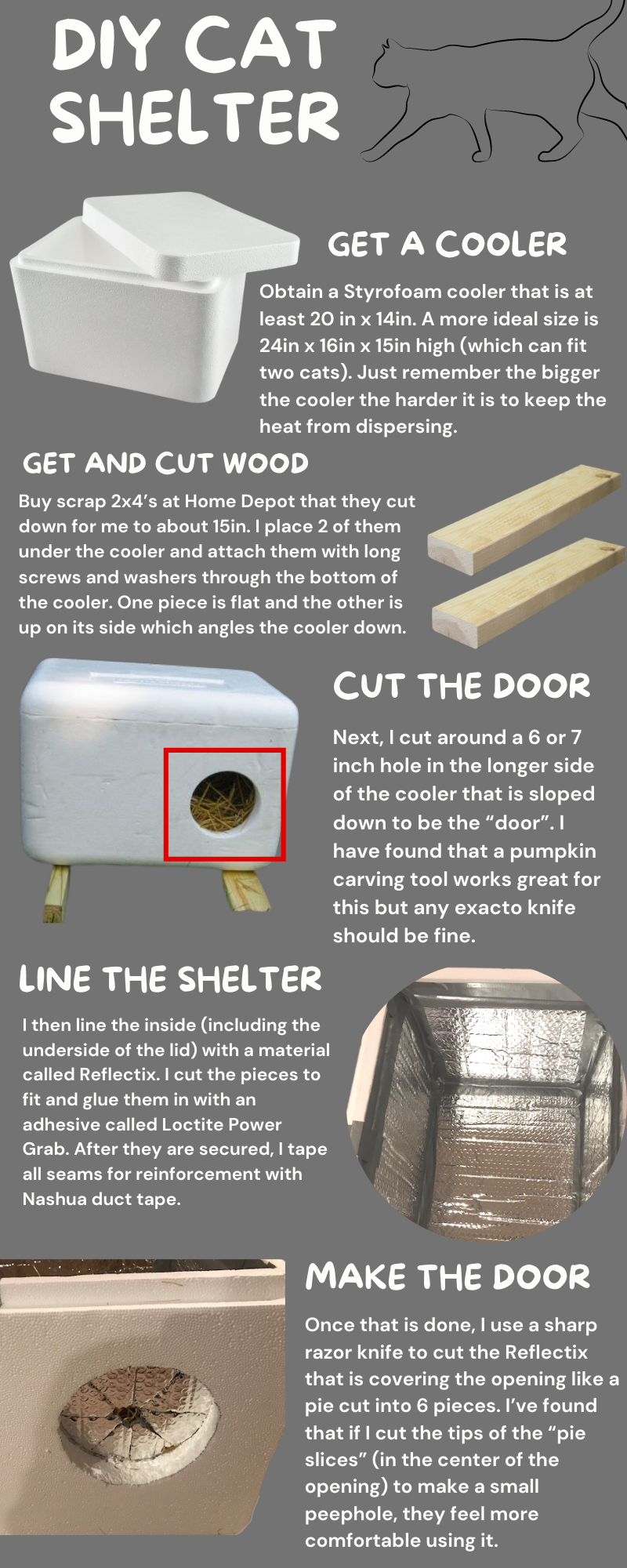
Critical structural items:
– Unused 1-inch-thick styrofoam cooler (25–40 quart size; avoid thin-wall “lunchbox” types)
– ¼-inch plywood sheet (cut to cooler’s floor dimensions) or corrugated plastic board
– Heavy vinyl matting (e.g., 6″x8″ rubber welcome mat scrap)
Bedding and safety essentials:
– Straw ONLY (not hay!)—1 bale for multiple shelters; look for “livestock straw” at feed stores
– Commercial pet-safe heating pad (K&H Lectro-Kennel model 100 recommended)
– Cinder block or paving stone (for lid weight)
Tools:
– Serrated knife (like a bread knife) for clean foam cuts
– Sandpaper (80–120 grit) to smooth edges
– Heavy-duty duct tape (waterproof)
Step 1: Preparing the Cooler Base Without Chemical Contamination
Time: 5 minutes | Difficulty: Easy
Start with a spotless, odor-free cooler. Residual soda, food grease, or cleaning chemicals will repel cats. Wash the interior with mild soap and water, then air-dry for 24 hours in direct sunlight—UV rays neutralize lingering smells. Never use bleach or ammonia-based cleaners; fumes linger in foam pores. If the cooler has stubborn stains, lightly sand the affected area with 120-grit paper until smooth. Critical check: Hold the cooler 6 inches from your face and inhale deeply. If you detect any chemical scent, discard it—cats’ noses are 14x more sensitive.
Why the Lid Is Your Best Cutting Surface
Cutting the entrance into the cooler lid (instead of the side) preserves structural integrity. The lid’s single foam layer is easier to slice cleanly, and you avoid weakening load-bearing walls. Plus, when rain hits a slanted lid, water runs off instead of pooling at the entrance.
Step 2: Cutting a Single Cat-Sized Entrance for Maximum Heat Retention
Time: 8 minutes | Difficulty: Moderate
Measure 3 inches up from the lid’s bottom edge and trace a 6-inch-diameter circle (large enough for most cats, small enough to block wind). Never cut two entrances—this creates a deadly “chimney effect” where cold air blasts through, dropping interior temps. Use a serrated knife to saw slowly through the foam; rushing causes jagged edges that can cut paws. After cutting, rub sandpaper around the entire opening until smooth—run your finger along the edge to test for snags.
How to Prevent Flooding and Cold Air Pools
Elevate the entrance 2–3 inches off the shelter floor. This stops melted snow from flooding inside and blocks cold air (which sinks) from settling where cats sleep. If your cooler has a flat lid, prop it slightly upward during placement so rain runs away from the door.
Step 3: Installing the Non-Flammable Floor Barrier (Non-Negotiable for Safety)
Time: 3 minutes | Difficulty: Easy
Place your plywood or corrugated plastic sheet flat on the cooler floor—it must cover 100% of the base. This step is mandatory if using a heating pad. Without it, direct pad-to-foam contact risks fire or toxic fumes. The barrier also protects foam from claw damage that compromises insulation. Secure edges with a single strip of duct tape along the perimeter (don’t cover the entire sheet—that traps moisture). If adding a heating pad later, center it on the barrier and route the cord through a small notch cut in the lid’s rim.
Step 4: Layering Straw for Dry, Warm Bedding That Saves Lives
Time: 4 minutes | Difficulty: Easy
Fill the shelter floor with 4–6 inches of loose, fluffy straw—never pack it down. The air pockets between stems create insulating loft that traps heat, while the hollow stalks wick moisture away from cats’ bodies. Why this works: Straw stays dry even when cats enter wet, whereas towels freeze solid at 20°F. Replace straw immediately if damp or soiled; mold grows within 48 hours in humid conditions. Critical tip: Store spare straw in a sealed bin—you’ll need fresh batches weekly in snowy climates.
Why Blankets and Hay Are Silent Killers
Fabric bedding conducts cold 25x faster than straw when wet. A single snowstorm can turn towels into ice sheets against a cat’s belly, causing fatal hypothermia in under 2 hours. Hay sprouts mold in coolers’ humid microclimates, triggering pneumonia.
Step 5: Creating a Windproof Door Flap That Won’t Freeze Shut
Time: 6 minutes | Difficulty: Moderate
Cut a 10″x10″ square from heavy vinyl matting. Tape it 1 inch above the entrance with duct tape on the top edge only—this creates a loose-hanging flap. The flap must be flexible enough for cats to push through but heavy enough to block wind. Test it by blowing hard at the door; if air penetrates, add a second tape layer at the top. Pro tip: Angle the flap downward slightly so rain runs off instead of pooling.
Step 6: Strategic Placement for Predator Evasion and Heat Retention
Time: 7 minutes | Difficulty: Easy
Place the shelter under a deck, porch eave, or dense shrub—never in open yards. Cats need sightlines to spot predators (like coyotes) but also crave hidden security. Elevate the base 2 inches on bricks to prevent ground moisture seepage, and weigh the lid with a cinder block. Avoid these spots:
– Under roof gutters (melting snow dumps water inside)
– Against north-facing walls (coldest exposure)
– Near trash cans (attracts aggressive animals)
Weekly Maintenance Checklist to Prevent Shelter Failures
Time: 3 minutes/week | Difficulty: Easy
- Monday mornings: Lift the lid and squeeze a straw handful. If dampness stains your palm, replace all bedding immediately.
- After snowstorms: Clear 12 inches around the entrance—never let snow pile higher than the door.
- Monthly: Check heating pad cords for cracks; frayed wires cause 68% of shelter fires.
- Never add fabric “upgrades”—they defeat the shelter’s purpose.
When to Build a Double-Wall Shelter for Extreme Cold (Subzero Guide)
For temps below 0°F: Nest your cooler inside a larger plastic tote, filling the 2-inch gap with rigid foam insulation panels. This “cooler-in-cooler” design boosts R-value to 10+, keeping interiors above freezing at -20°F. Seal the outer tote’s lid with weatherstripping, but drill two ¼-inch vent holes opposite the entrance to prevent condensation buildup.
By following these precise steps, you’ve created a cat shelter that actively saves lives instead of endangering them. Remember: straw is non-negotiable, one entrance is mandatory, and human heating pads are lethal. Check shelters weekly—replacing damp straw takes 60 seconds but prevents hypothermia. If you spot multiple cats using your shelter, consider building a second unit 15 feet away (cats are territorial). For more life-saving TNR resources, explore guides on winter water bowl hacks or identifying frostbite signs. Your cooler shelter might be small, but for a shivering cat on a frozen night, it’s the difference between life and death. Start building tonight—tomorrow could be the coldest day of the year.