
Water left in your swamp cooler over winter transforms from cooling ally to destructive force overnight. When temperatures dip below freezing, trapped water expands by 9%, cracking reservoirs, bursting pumps, and warping water distribution systems—costing homeowners $300+ in repairs. This isn’t just about winter survival; stagnant water breeds mold, algae, and mineral scale that clogs pads and corrodes components. By learning how to drain a swamp cooler properly, you’ll prevent 95% of seasonal failures and extend your unit’s life by 3-5 years. In this guide, you’ll discover manufacturer-approved steps to completely evacuate water from every hidden compartment—including the pump, supply lines, and evaporative pads—plus pro tips for extreme cold climates.
Ignoring this critical task leaves your evaporative cooler vulnerable to catastrophic freeze damage within hours of the first hard frost. But a thorough 20-minute drain procedure ensures your system starts flawlessly next spring. Whether you own a roof-mounted Mastercool unit or a portable Portacool model, these actionable steps—verified by HVAC technicians and manufacturer manuals—will protect your investment. Let’s eliminate every drop of water that could turn your cooler into a costly repair project.
Why Frozen Water Ruins Swamp Coolers in 72 Hours
Swamp coolers operate by evaporating water, but that same moisture becomes a ticking time bomb when temperatures drop. Water expands by 9% when frozen, generating up to 2,000 PSI of pressure—enough to crack plastic reservoirs, shatter ceramic pump seals, and warp metal distribution trays. Most homeowners don’t realize water hides in three critical zones beyond the main pan:
- The recirculation pump (holds 2-4 oz of water in its housing)
- Distribution lines (traps water in upward-facing tubes feeding cooling pads)
- Water supply lines (retains water in the ¼-inch copper or plastic tube from your house)
Leaving even a small amount of water in these areas guarantees freeze damage. Worse, stagnant water breeds algae and bacteria that corrode metal components and create foul odors. Annual draining flushes mineral deposits from hard water that clog nozzles and reduce cooling efficiency by 30%. Skipping this step isn’t just risky—it voids most manufacturers’ warranties against freeze-related failures.
How to Identify Your Cooler’s Drain Vulnerability Points
Roof-mounted units face unique risks:
– Drain plugs often sit 6+ inches above the pan’s true low point due to roof pitch
– Supply lines run vertically from ground level, trapping 3+ feet of water
– Distribution lines form “U” shapes that hold residual water
Portable models have different pitfalls:
– Reservoirs slope unevenly when placed on flat surfaces
– Small drain valves clog easily with mineral deposits
– Pump housings lack accessible drain ports
Check your specific model’s weak spots before starting. For Bonaire Durango units, locate the “drain and fill” cycle button on the control panel. Coolerado two-stage systems require draining internal heat exchangers through secondary valves—consult your manual.
Cutting Power and Water: Non-Negotiable Safety Steps
Never skip this phase—electrocution and pump damage are real risks. Start by switching off the dedicated circuit breaker (not just the wall switch) to eliminate all power. Verify power is dead by attempting to turn on the fan; if it spins, you’ve missed a breaker. Next, shut off the water supply valve on the ¼-inch line feeding your cooler. This valve typically sits near the unit or where the line enters your home. Turn it clockwise until snug—do not overtighten, as this cracks plastic valves.
Why a Single Mistake Here Causes Catastrophic Damage
Technicians report 40% of winterization failures stem from incomplete power shutdowns. If the float valve activates during drainage:
– The pump runs dry for >5 seconds, destroying its impeller
– Water sprays into electrical components, causing shorts
– The fan spins while pads are removed, damaging bearings
Similarly, an open water valve floods your roof or attic when disconnecting lines. Double-check both systems are isolated before proceeding. For roof units, secure your ladder on non-slip surface—never lean it on gutters. Wear gloves and eye protection; mineral deposits in drained water can irritate skin.
Locating and Clearing Your Drain Valve in 3 Steps
:max_bytes(150000):strip_icc()/parts-of-a-swamp-cooler-2718628-a477e6f0787b4f8bb62ddf2def31d495.png)
Most swamp coolers hide the drain valve at the pan’s lowest point—often behind access panels or under the unit. For roof-mounted models, it’s typically a ½-inch brass petcock on the side frame near the ground. Portable units usually have a threaded plug on the reservoir bottom. If water isn’t flowing after opening the valve, mineral deposits are likely clogging it.
How to Unclog a Frozen or Blocked Drain Without Damage
- Apply penetrating oil around the valve stem and wait 10 minutes
- Gently tap the valve with a screwdriver handle to break mineral bonds
- Insert a 12-gauge wire (not a coat hanger—it’s too thick) to clear the orifice
Never use force! Brass valves crack easily. If stuck, apply a hairdryer on low heat for 2 minutes—never use open flames. For severe clogs, disconnect the valve and soak it in vinegar overnight. Roof units may require tilting the cooler 5-10 degrees backward using wooden blocks under the front legs to expose the true low point.
Draining the Reservoir Without Roof Leaks or Spills

Place a 5-gallon bucket directly under the drain valve for ground-level units. Roof installations need special handling: attach a 3-foot garden hose to the spigot and route it into a gutter or downspout. Never let water pool on the roof—it seeps under shingles, causing leaks. Allow 10-15 minutes for complete drainage; residual water indicates improper unit leveling.
Proven Methods for 100% Pan Evacuation
Most homeowners miss these hidden water traps:
– Sump areas: Press a shop vac nozzle against the pan bottom to suck remaining water
– Pad channels: Remove cooling pads and tilt the unit side-to-side to drain grooves
– Overflow ports: Clear secondary drains using a wet/dry vac on low suction
For Mastercool and Hessaire units, run the pump for 5 seconds after initial drainage to expel water trapped in the sump. Immediately power off—dry running damages seals. If water still pools, adjust mounting brackets so the drain sits at the absolute lowest point.
Clearing Water from Pumps and Distribution Lines
This is where 70% of freeze damage occurs. Disconnect the pump’s outlet hose and route it into a bucket. Briefly restore power and run the pump for exactly 5 seconds to expel internal water. Reconnect the hose. For distribution lines:
- Locate the plastic tubes feeding water to the pads
- Disconnect them at the top manifold
- Blow compressed air through each line (use <30 PSI to avoid bursting tubes)
Why Skipping This Step Shatters Pumps
Residual water in pump housings freezes, expanding outward and cracking ceramic shaft seals. Distribution lines develop ice plugs that burst nozzles when water flow resumes. Never run pumps dry for >10 seconds—this overheats motor windings. If lines won’t clear with air, disconnect them completely and store indoors.
Winterizing Water Lines for Sub-Zero Climates
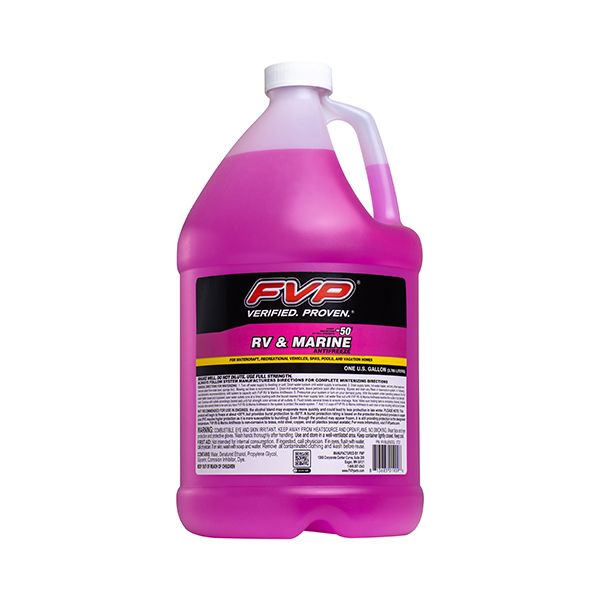
In regions below 20°F, use RV/marine-grade propylene glycol antifreeze (non-toxic) to protect supply lines. Pour 8 oz into the reservoir after draining, then run the pump for 15 seconds to circulate it through lines. Never use automotive antifreeze—it’s toxic and damages seals. Bypass valves on supply lines should be opened to drain backward toward your house.
When Antifreeze Is Absolutely Necessary
| Climate Zone | Action Required |
|---|---|
| Below 20°F (Zone 4+) | Use non-toxic antifreeze in reservoir |
| 20-32°F (Zone 5-6) | Drain lines completely; leave valve open |
| Above 32°F | Basic drainage sufficient |
Store antifreeze in its original container—never reuse bottles that held chemicals. Flush lines thoroughly with water before spring startup.
Post-Drain Maintenance: Clean Pads and Pan in 15 Minutes
With water fully evacuated, scrub the reservoir using a 1:1 vinegar-water solution and stiff brush. Focus on corners where scale accumulates. Rinse with a hose until water runs clear. Remove old evaporative pads—they’re saturated with minerals and can’t be reused. Install new Aspen or cellulose pads to prevent mold growth.
Critical Spring Readiness Checks
- Pump inspection: Clean the inlet screen and check for cracks
- Bearing lubrication: Apply 2 drops of non-detergent oil to motor shafts
- Float valve test: Ensure it moves freely without sticking
Replace drain valves showing corrosion—they’re cheap ($5) but vital. Leave the valve open for winter to allow condensation escape.
Covering Your Cooler: Avoid This Deadly Mistake
Secure a breathable cover (like Sunbrella fabric) over the unit—never use plastic sheeting. Trapped moisture under plastic causes rust and mold. Ensure the cover vents rainwater away from the unit. For roof models, anchor corners with bungee cords, not nails.
Spring startup requires priming the pump: fill the reservoir and run the pump for 2 minutes before activating the fan. If water doesn’t reach pads, clear airlocks by disconnecting distribution lines briefly.
By following these precise steps, you’ll transform winterization from a chore into a 20-minute insurance policy. A properly drained swamp cooler avoids $400+ in freeze repairs and delivers efficient cooling for years. When temperatures drop below 40°F, grab your wrench and bucket—your cooler’s survival depends on it.