Waking up drenched in sweat on your memory foam mattress isn’t just uncomfortable—it disrupts your sleep cycle and leaves you exhausted by morning. You invested in memory foam for its legendary pressure relief and support, but that dense cellular structure designed to cradle your body also traps heat like a thermal blanket. If you’re constantly kicking off sheets or sleeping on cool spots, your bed is working against your body’s natural cooling process. The good news? You don’t need to ditch your comfortable mattress to stay cool. This guide delivers actionable, science-backed strategies to transform your overheating memory foam bed into a temperature-regulated sleep sanctuary. You’ll discover immediate fixes you can implement tonight, smart bedding swaps that cost less than $50, and long-term solutions that target the root cause of heat retention—all without compromising the support you love.
Why Your Memory Foam Mattress Turns Into a Heat Trap
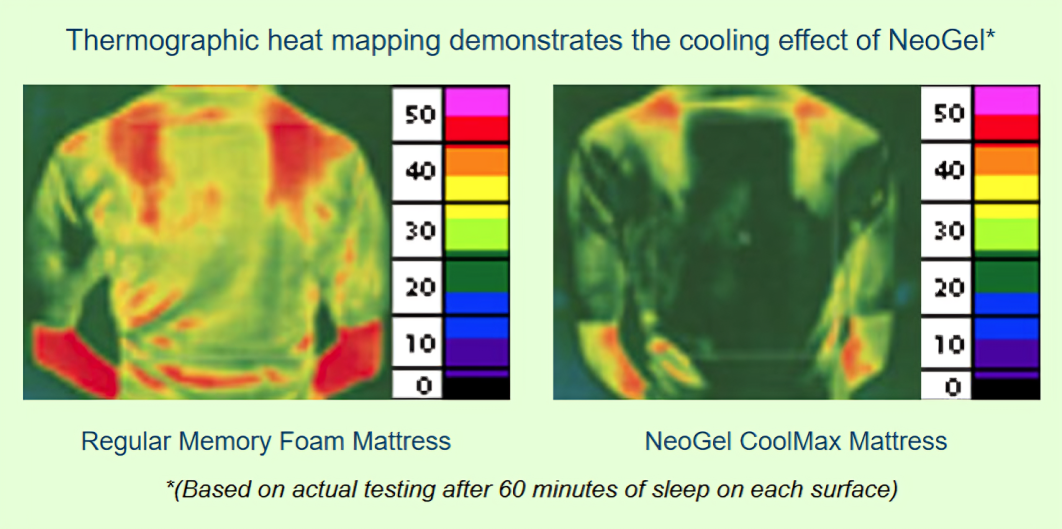
Memory foam’s heat retention isn’t a flaw—it’s physics. The viscoelastic material responds to body heat by softening and molding precisely to your contours, creating that signature “hug.” But this same density restricts airflow through the mattress structure. As you sleep, your body generates 75-100 watts of heat (equivalent to a lightbulb), and without proper ventilation pathways, that heat accumulates where your body contacts the foam. Standard memory foam has minimal space between cells for air circulation, turning your mattress into an insulator. The problem intensifies with thicker mattresses (10+ inches) and dual-layer constructions where heat gets trapped between foam layers. Crucially, this isn’t about room temperature alone—your mattress surface can be 5-10°F hotter than the surrounding air due to direct body contact. Understanding this mechanism is key because solutions must address both surface heat dissipation and internal airflow.
How Body Weight and Sleep Position Exacerbate Heat Buildup
Heavier sleepers experience more pronounced heat retention as increased body contact compresses the foam more deeply, reducing the already limited air channels. Back sleepers often report widespread heat because their entire torso creates a broad contact zone, while side sleepers typically feel intense heat at shoulder and hip pressure points where compression is greatest. If you wake up sweaty in specific zones rather than uniformly, this localized compression is your culprit. The solution requires targeted airflow enhancement exactly where your body sinks deepest into the foam.
Strategic Bedding Upgrades That Actually Improve Airflow

Your top sheet and comforter aren’t just decorative—they’re critical thermal regulators. Most people unknowingly sabotage cooling with bedding that blocks heat escape. The wrong fabric creates a microclimate where moisture from sweat gets trapped against your skin, triggering more perspiration in a vicious cycle. Switching to breathable materials breaks this loop by wicking moisture away while allowing heat to dissipate upward.
Choose These Cooling Sheet Fabrics (Not Just Thread Count)
Forget high-thread-count cotton hype—breathability trumps thread density. Opt for:
– Tencel™ lyocell: Made from eucalyptus, its smooth fibers wick moisture 50% faster than cotton and maintain airflow even when damp
– Linen: Creates natural “air pockets” in its weave that circulate heat away from the body
– Percale weave cotton: Uses a loose, open weave (not sateen) that feels crisp and allows maximum air movement
Avoid moisture-trapping synthetics like polyester blends, even if labeled “cooling.” Test fabrics by stretching them—the more light passes through, the better the airflow potential.
Ditch These Common Comforter Mistakes
Your comforter’s fill and shell fabric determine whether heat escapes or gets trapped:
– Replace down alternatives with baffle-box construction that prevents fill clumping (common in cheap quilts)
– Choose cotton or linen duvet covers instead of microfiber—natural fibers breathe 3x better
– Skip quilted comforters entirely; opt for lightweight blankets you can layer strategically
Pro Tip: Sleep with just a top sheet during hot months. If you need coverage, use a single layer of breathable fabric like muslin that weighs under 150 GSM (grams per square meter).
Precision Cooling Solutions for Direct Heat Transfer
When bedding adjustments aren’t enough, target the heat source itself—the interface between your body and the mattress. Standard memory foam lacks conductive materials to pull heat away, but these solutions create active cooling pathways exactly where you need them.
How Cooling Mattress Protectors Actually Work
Not all protectors are equal. Standard vinyl-backed versions trap heat, but modern cooling versions use:
– Phase-change material (PCM) technology: Microcapsules absorb excess heat when you’re warm and release it when you cool down
– Copper-infused fibers: Copper’s high thermal conductivity pulls heat away 400x faster than standard foam
– 3D-knitted surfaces: Creates vertical airflow channels that prevent direct skin contact with foam
Look for protectors with breathable TPU (thermoplastic polyurethane) backing instead of PVC—this allows moisture vapor to escape while still blocking liquids. Install it with the textured side up to maximize air gaps between you and the mattress.
When to Choose a Cooling Topper Over a Protector
If your mattress is older than 5 years or you sink excessively, a topper solves two problems at once:
– Gel-infused memory foam toppers (2-3″ thick) add conductive gel beads that absorb heat
– Latex toppers provide natural breathability with open-cell structure (ideal for hot sleepers)
– Hybrid options combine gel foam with breathable graphite layers for dual-action cooling
Critical installation tip: Always place the cooling layer directly against your body—never under sheets. If using both a protector and topper, the protector goes between mattress and topper, with topper surface exposed to your skin.
Bedroom Environment Hacks You’re Probably Missing

Your mattress can’t stay cool if your room works against it. Many people set thermostats too high or block natural airflow without realizing how dramatically this impacts sleep surface temperature.
The Exact Temperature Gradient That Cools Memory Foam
Memory foam releases heat most efficiently when there’s a 10-15°F difference between your body and the room. Set your thermostat to 62-65°F (17-18°C) at bedtime—this creates the steepest thermal gradient for heat transfer away from your body. Use a programmable thermostat to raise it gradually after you fall asleep to save energy. Crucially, ceiling fans must rotate counterclockwise in summer to push air downward in a column that evaporates sweat from your skin.
Humidity Control: The Silent Heat Amplifier
High humidity prevents sweat evaporation—the body’s primary cooling mechanism. At 60%+ relative humidity, your perceived temperature jumps 5-8°F. Place a hygrometer on your nightstand; if readings exceed 50%, run a dehumidifier set to 45-50% humidity. For immediate relief, freeze damp washcloths in a ziplock bag and place them at pulse points (wrists, neck) before bed—they lower core temperature 3x faster than ice packs.
Immediate Fixes for Midnight Heat Waves
When you wake up overheated at 2 AM, these science-backed interventions provide relief within minutes by targeting your body’s thermoregulation points.
The 90-Second Core Cooling Protocol
- Apply cold to vascular zones: Place frozen water bottles wrapped in thin towels against your inner wrists, neck, and temples for 60 seconds (avoid direct ice contact)
- Splash cool water on feet: Submerge feet in a basin of 60-65°F water for 2 minutes—it triggers rapid heat dissipation through high blood flow in extremities
- Use a cooling pillow: Flip to the “cool side” of a dual-sided pillow or place a damp washcloth inside your pillowcase
Why this works: These areas have superficial blood vessels close to the skin, allowing rapid core temperature reduction. Never cool your entire body at once—this triggers shivering that generates more heat.
Emergency Sheet Cooling Technique
Remove your top sheet and place it in a plastic bag in the freezer for 8 minutes max (longer causes condensation). Immediately remount the bed and lie on the chilled sheet—it lowers surface temperature 7-10°F for 20+ minutes. For safety, always place a thin cotton layer between frozen sheets and skin to prevent cold burns.
Long-Term Maintenance to Prevent Heat Buildup
Memory foam degrades over time, losing breathability as cells collapse. Proactive care extends its cooling capacity and prevents the “hotter with age” problem many owners report.
The Monthly Mattress Refresh Routine
Every 30 days:
– Vacuum surface with upholstery attachment to remove dust clogging foam pores
– Rotate mattress head-to-foot to even out compression patterns
– Air out by propping vertically against wall for 2 hours (never flip memory foam)
This prevents localized heat zones where foam has compacted from consistent body positioning. For immediate airflow boost, place a slatted bed base under your mattress—this creates 1-2″ of convective airflow space that reduces surface temperature by 3-5°F.
When to Consider Material Upgrades
If your mattress is over 7 years old, cellular breakdown has likely reduced its natural breathability. Modern cooling technologies outperform older foams:
– Graphite-infused memory foam: Conducts heat 5x better than standard foam
– Open-cell foam constructions: Feature interconnected air channels (look for “airflow” certifications)
– Hybrid coil-foam designs: Combine memory foam comfort with innerspring breathability
Prioritize mattresses with independent cooling layers rather than surface treatments alone—this addresses heat at its source.
Proven Strategies That Actually Work (And What to Avoid)
Many “cooling hacks” backfire by trapping more heat. Save money and frustration by focusing on these evidence-based approaches:
- DO use moisture-wicking pajamas made of bamboo or Tencel™ (not cotton—it retains dampness)
- DON’T place memory foam directly on solid platform beds—always use slats with <3″ gaps
- DO wash bedding in cold water with vinegar monthly to remove heat-trapping fabric softener residue
- DON’T use electric blankets over memory foam—they superheat the conductive layer
The most overlooked factor? Your sleep position. Train yourself to sleep on your back with arms outstretched—it minimizes body contact points by 30% compared to fetal position, dramatically reducing heat generation zones.
Transforming your memory foam bed into a cool sleep haven requires understanding heat transfer physics, not just swapping products. By implementing these layered strategies—from precision bedding choices to targeted cooling interventions—you’ll harness memory foam’s pressure-relieving benefits without the sweat-soaked discomfort. Start tonight with the emergency sheet technique, then systematically introduce airflow solutions based on your specific heat patterns. Within one week, you’ll experience deeper, uninterrupted sleep as your body finally maintains its ideal 86-89°F sleep temperature. Remember: the goal isn’t freezing cold—it’s consistent thermal regulation that keeps your core temperature stable all night long.