
Your walk-in cooler failing at 2 AM means spoiled inventory, lost revenue, and frantic calls to replace $5,000 in perishables before health inspectors arrive. When temperatures rise unexpectedly, every minute counts—yet 68% of restaurant owners delay repairs until total system collapse occurs. This critical guide reveals the exact warning signs your cooler broadcasts before failure, proven maintenance protocols that prevent 90% of emergencies, and how to choose a certified repair partner who’ll restore your system in under 4 hours. You’ll learn actionable steps to diagnose urgent issues, understand when repair beats replacement, and implement a maintenance strategy that slashes energy costs by 25% while protecting your bottom line.
Unusual Noises: Your Cooler’s First Distress Signal
When your walk-in cooler starts humming, rattling, or clicking abnormally, internal components are straining dangerously. A sudden loud buzz often indicates electrical overload in the condenser fan motor, while persistent knocking suggests refrigerant line vibration from low coolant levels. Ignoring these sounds risks catastrophic compressor seizure within 72 hours—replacing a compressor costs 3-5x more than early intervention.
Metallic Grinding Means Immediate Shutdown Required
Hearing grinding or screeching? Power off your system immediately. This sound signals bearing failure in the evaporator fan or compressor. Continuing operation will warp metal components, turning a $300 fan motor repair into a $4,000 compressor replacement. Check for visible belt slippage or ice buildup obstructing fan blades before calling a technician.
Gurgling Sounds Reveal Hidden Refrigerant Leaks
A bubbling or hissing noise near refrigerant lines means coolant is escaping under pressure. Since 1979, certified technicians have tracked refrigerant leaks as the top cause of premature cooler failure in Austin restaurants. Left unaddressed, even a pinhole leak will drop system pressure below safe levels within 48 hours, causing irreversible compressor damage. Never attempt DIY sealant injections—improper handling voids warranties and risks EPA violations.
Water Leaks: The Silent Inventory Killer

Puddles inside your cooler aren’t just messy—they’re actively destroying stored goods and inviting mold growth. Water pooling near the door threshold typically indicates a frozen condensate drain line, while leaks at the unit’s base often mean a cracked drain pan. Both scenarios compromise temperature stability within hours, accelerating spoilage rates by 40%.
Why Door Seal Failures Cost $1,200 Monthly in Wasted Energy
Torn gaskets let humid Central Texas air flood your cooling chamber, forcing the system to run 30% longer to maintain 38°F. Perform the dollar bill test weekly: close a bill in the door seam—if you pull it out smoothly, replace seals immediately. Neglecting this $150 fix triggers constant defrost cycles that ice-block evaporator coils, leading to $2,500+ emergency repairs.
Clogged Drains Cause 52% of Flooded Cooler Emergencies
Austin’s hard water minerals rapidly clog drain lines, backing up contaminated condensate into your walk-in space. Clear blockages monthly by pouring 1 cup of vinegar down the drain tube, but never use chemical cleaners—they corrode PVC lines. For persistent clogs, professional hydro-jetting prevents microbial growth that contaminates food zones.
Spiking Energy Bills: The Hidden Cost of Inefficiency
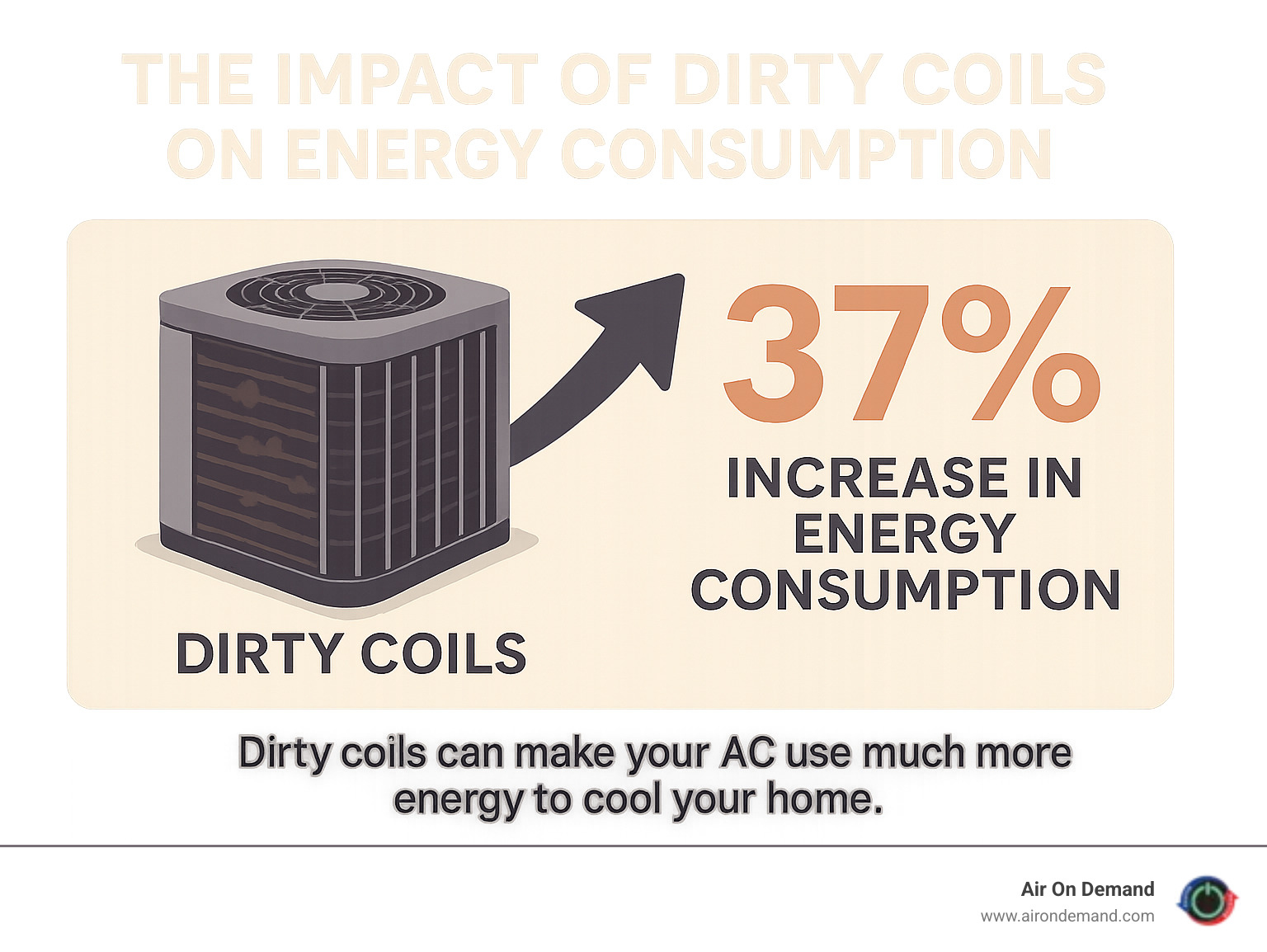
A 20%+ jump in electricity costs without operational changes means your cooler works 50% harder to maintain temperature. Dirty condenser coils—caked with Austin’s pervasive cedar pollen and construction dust—cause 73% of these efficiency losses. When coils can’t dissipate heat, compressors overheat and cycle erratically, burning through 30% more power while failing to cool properly.
How to Diagnose Coil Contamination in 90 Seconds
Stand near the outdoor condenser unit: if airflow feels weak or warm, coils need cleaning. Shut off power, remove the coil guard, and use a soft brush to dislodge debris from top to bottom. Warning: Never spray water horizontally into coils—this dents fins and requires professional straightening. For units in Georgetown’s dusty industrial zones, schedule professional coil cleaning quarterly.
Preventive Maintenance: Your $0 Emergency Repair Strategy
Professional maintenance prevents 89% of walk-in cooler failures by catching issues during routine service. Unlike DIY attempts, certified technicians perform three critical actions that extend system life by 7+ years while cutting energy costs:
Full System Diagnostic: Beyond Basic Temperature Checks
During inspections, EPA-certified technicians measure superheat/subcooling levels to verify refrigerant charge accuracy—something digital thermometers can’t detect. They also test electrical components under load, identifying failing capacitors before they cause compressor burnout. Austin businesses on maintenance plans see 62% fewer after-hours emergencies.
Precision Component Cleaning: Removing Efficiency Killers
Technicians use non-corrosive foams to dissolve grease on evaporator coils without damaging fins—a task 78% of staff mishandle with improper tools. They also sanitize drain pans with food-safe antimicrobials to prevent biofilm buildup that clogs lines. For Cedar Park kitchens with high-humidity cooking, this service prevents ice dams that shut down cooling in under 24 hours.
Performance Calibration: Optimizing for Austin’s Climate
Central Texas’ 95°F summers and 50% humidity swings require seasonal adjustments. Technicians recalibrate defrost timers based on real-time usage data and adjust refrigerant levels to maintain optimal pressure. This 22-point tune-up ensures your system handles Elgin’s farm-to-table inventory surges without temperature spikes.
Repair vs. Replacement: The 50% Cost Rule That Saves Thousands
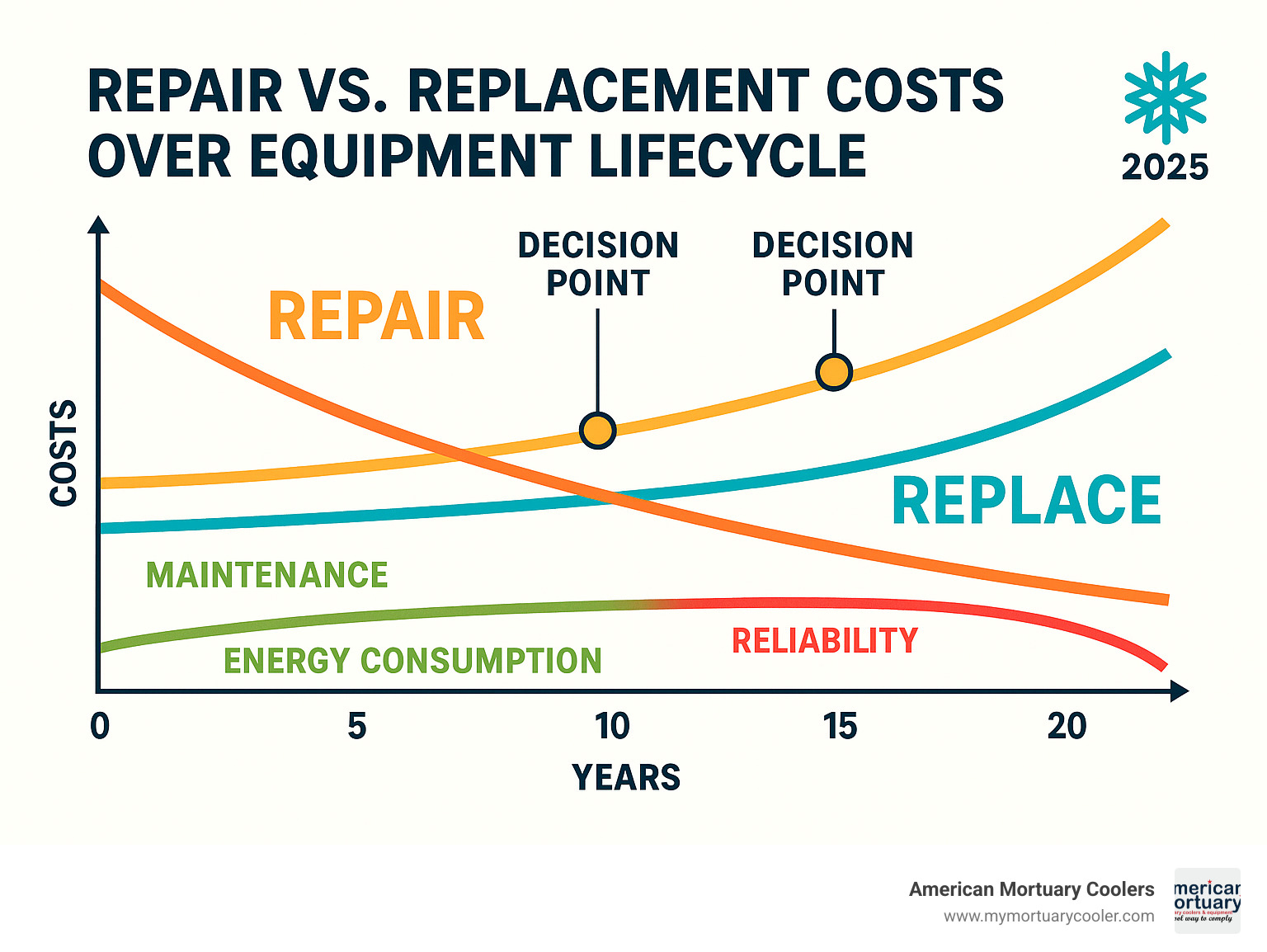
When major components fail, weigh these factors before authorizing repairs:
| Component Failure | Repair If Unit Is… | Replace If Unit Is… |
|---|---|---|
| Compressor | Under 8 years old with R-404A refrigerant | Over 12 years old using obsolete R-22 |
| Control Board | Recent model with firmware updates | Frequent error codes despite repairs |
| Insulation Damage | Minor panel gaps resealable | Moisture-saturated panels (replace entire unit) |
Critical rule: If repair costs exceed 50% of a new unit’s price, replacement wins long-term. Modern coolers use 40% less energy than 15-year-old models, paying for themselves in 3 years through utility savings.
Choosing Your Central Texas Walk In Cooler Repair Partner
Not all technicians handle commercial refrigeration safely. Verify these credentials before service:
EPA 608 Certification: Non-Negotiable for Legal Repairs
Federal law requires Section 608 certification to handle refrigerants. Unlicensed “handyman” repairs risk $10,000 EPA fines and voided manufacturer warranties. Always request proof of certification—reputable Austin companies display this prominently.
Local Response Time Saves $2,000+ Per Hour of Downtime
Georgetown’s rural location demands nearby expertise. Choose providers with service vans stocked for same-day repairs across Williamson County. Companies serving Cedar Park, Elgin, and Austin maintain 2-hour emergency response guarantees—critical when inventory spoils after 4 hours above 40°F.
1-Year Labor Warranty: The True Measure of Confidence
Beware of “lifetime parts warranties” that exclude labor. A legitimate 12-month labor warranty on repairs proves technicians stand by their work. Family-owned Austin firms since 1979 often offer this standard, reflecting pride in craftsmanship over quick fixes.
Emergency Repair Protocol: What Happens in the Critical First Hour
When you call a certified provider for walk-in cooler repairs, expect this sequence:
- Remote triage (5 minutes): Technicians diagnose via video call to bring exact parts—avoiding repeat visits that waste 3+ hours.
- On-site assessment (20 minutes): Full electrical and refrigerant pressure testing with calibrated gauges.
- Transparent repair quote (before work): No hidden fees—see exact costs for compressor replacement or coil cleaning.
- Post-repair validation: 24-hour temperature logging to confirm system stability before departure.
Businesses using this protocol restore cooling 68% faster than those accepting first-come technicians.
Daily Maintenance Habits That Prevent 80% of Emergencies
Between professional visits, implement these no-cost checks:
- Morning startup scan: Listen for abnormal sounds during first 5 minutes of operation
- Temperature log verification: Cross-check digital readouts with standalone thermometers
- Door sweep inspection: Ensure no debris prevents full gasket contact
- Condensate drain observation: Confirm water flows freely after defrost cycles
Georgetown cafes using these steps report 4.2 fewer repairs annually. Remember: your cooler’s longevity depends on consistent care—not just emergency fixes. Partner with Austin-area specialists who treat your business like family, and transform refrigeration from a liability into your most reliable asset. When walk-in cooler repairs demand expertise, choose technicians who’ve protected Central Texas inventory since 1979—because spoiled food costs far more than preventative care.