Your evaporative cooler isn’t cooling like it used to? That musty odor when you turn it on? You’re not alone—mineral scale and algae silently choke 90% of units by mid-season, slashing efficiency by 40%. When hard water minerals cement cooling pads and clog water lines, your “swamp cooler” works harder while delivering less relief. Knowing how to clean evaporative cooler components properly prevents costly repairs and ensures crisp, fresh air all summer. This guide cuts through guesswork with a proven, step-by-step method used by HVAC technicians. You’ll learn exactly when to clean, which household supplies eliminate stubborn buildup, and how to avoid the #1 mistake that ruins pumps.
Essential Tools and Safety Gear

Gather these supplies before starting—never improvise with harsh chemicals or metal scrapers that damage critical components. Safety isn’t optional when dealing with electrical systems and chemical solutions.
Must-Have Cleaning Supplies
- Vinegar or commercial descaler (1:1 vinegar-water solution for mild deposits; acid-based descaler for heavy scale)
- Soft-bristled brushes (nylon or plastic—never wire brushes that scratch reservoirs)
- Garden hose with adjustable nozzle (for low-pressure pad rinsing)
- Wet/dry vacuum (to extract standing water safely)
- Non-abrasive cleaner (mild dish soap for exteriors)
- Bucket and soft cloths
Critical Safety Gear
- Rubber gloves (protect against chemical burns and sharp media edges)
- Safety goggles (mineral dust and cleaning splashes cause eye injuries)
- N95 mask (blocks mold spores released during pad cleaning)
- Non-slip shoes (prevents falls on wet surfaces near electrical components)
Power Down: The Non-Negotiable First Step
Always disconnect power at the circuit breaker—not just the unit switch—before touching any part. Evaporative coolers combine water and electricity, creating lethal shock risks if serviced while live. Unplug the unit and verify power is off using a voltage tester. Skipping this step risks electrocution or frying the pump motor.
Step-by-Step Evaporative Cooler Cleaning Guide
Drain the Reservoir and Remove Mineral Sludge
Start by extracting all standing water through the drain plug using a wet/dry vacuum—never pour contaminated water down household drains. Inspect the sump for gritty sediment; this indicates hard water scaling. For mild mineral deposits, soak the reservoir for 60 minutes in a 1:1 vinegar-water solution, then scrub with a soft brush. For heavy buildup, use a commercial descaler per label instructions (typically 30-minute soak). Rinse thoroughly until water runs clear—vinegar residue corrodes metal parts.
Revive or Replace Clogged Cooling Pads
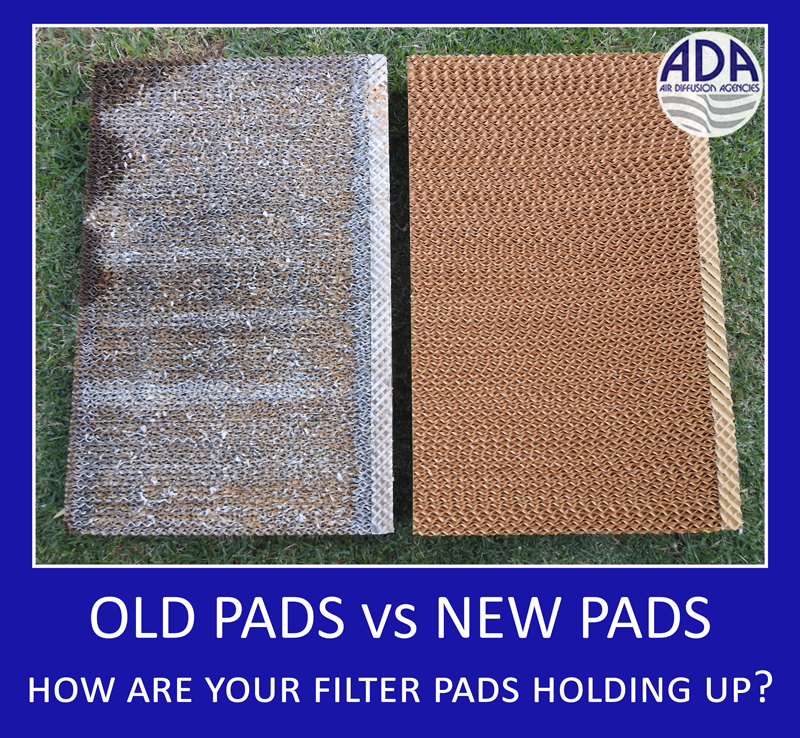
Paper or aspen pads that feel stiff or show white mineral crusts must be cleaned immediately. Gently hose off loose debris from the backside of pads (high pressure destroys fibers). Soak in vinegar solution for 2 hours, then scrub lightly with a plastic brush. Critical check: If pads tear easily or retain >20% discoloration after cleaning, replace them—compromised pads reduce cooling by 30%. Synthetic media handles tougher scrubbing but still requires complete drying before reinstalling.
Unclog Water Distribution Lines in 3 Minutes
Clogged nozzles cause dry spots on pads, creating hot zones that overheat the unit. Locate the distribution manifold (usually a perforated pipe above pads). Never use metal wires—they enlarge holes and disrupt water flow. Instead:
1. Soak a toothpick in vinegar
2. Gently rotate it through each clogged hole
3. Flush lines with clean water while the pump runs
Pro tip: Add ¼ cup white vinegar to the reservoir monthly to prevent future clogs.
Pump and Float Valve Servicing
:max_bytes(150000):strip_icc()/parts-of-a-swamp-cooler-2718628-a477e6f0787b4f8bb62ddf2def31d495.png)
The pump’s intake screen traps hair and debris, starving the system of water. Remove the pump and:
– Clear the screen with a soft brush
– Check impeller rotation (stuck impellers = no water flow)
– Test float valve movement—sticky valves cause overflow or pump burnout
Warning: Never run the pump dry during testing—this destroys bearings instantly.
Exterior and Air Intake Deep Clean
Dust-clogged vents force the fan motor to work 50% harder. Vacuum intake louvers with a brush attachment, then wipe the cabinet with soapy water. Key spot: Clean the air relief flap (often overlooked)—debris here restricts airflow and causes overheating. Never spray water directly into vents; moisture damages electrical components.
Sanitize to Eliminate Musty Odors
Bleach solutions kill odor-causing bacteria but corrode metal if misused. Mix ¾ cup bleach per gallon of water, wipe all interior surfaces, then rinse twice with clean water. For plastic reservoirs, an EPA-registered disinfectant is safer. Never combine bleach with vinegar—this creates toxic chlorine gas.
Reassembly and Maintenance Schedule That Prevents Breakdowns
Reassemble components only when completely dry—trapped moisture breeds mold within hours. Hand-tighten connections; overtightening cracks plastic housings. Follow this schedule for trouble-free operation:
| Frequency | Critical Tasks |
|---|---|
| Weekly | Check water level, clean intake screens, inspect pad saturation |
| Monthly | Test pump flow, verify even water distribution, add algaecide |
| Season Start/End | Full disassembly, pad replacement, descaling, winterization |
Winterization is non-negotiable in cold climates: Drain all water (including pump housing), remove pads, and cover the unit with a breathable tarp. Residual water freezes and cracks reservoirs.
Fix These 4 Issues Before Calling a Pro
Don’t panic when problems arise—most are DIY fixes:
– Weak airflow? Check for clogged pads and a dirty air relief flap (80% of cases).
– Water pooling under unit? Clean the drain line—debris blockages cause overflow.
– Pump humming but no water? Float valve is stuck; free it with vinegar-soaked cloth.
– Musty smell persists? Sanitize twice and replace pads—they harbor bacteria when old.
Call a technician only for electrical faults, persistent leaks, or motor failures—these require specialized tools.
Final Note: A well-maintained evaporative cooler uses 75% less energy than AC while adding healthy humidity. By dedicating 90 minutes to how to clean evaporative cooler components at season start—and following the monthly checklist—you’ll extend its life by 5+ years. The secret isn’t fancy tools; it’s consistent vinegar soaks and pad inspections that stop small issues from becoming expensive disasters. This summer, enjoy that crisp, desert-breeze coolness knowing your unit runs at peak efficiency—no more lukewarm air or mysterious odors. Your future self (and wallet) will thank you when competitors are calling repair trucks in July.