That sweltering afternoon when your AC bill makes you wince but the desert heat won’t quit? An evaporative cooler (or swamp cooler) could be your energy-saving hero—using 75% less electricity than traditional AC. But unlike your air conditioner, simply flipping this switch won’t cut it. How to use evaporative cooler effectively hinges on understanding its unique physics: it cools by evaporating water into dry air, requiring perfect airflow management. Skip critical steps like window positioning, and you’ll waste energy while risking moisture damage to walls. This guide reveals exactly how to harness its full potential—from startup sequences to humidity hacks—so you stay cool without the sky-high costs.
Why Your Evaporative Cooler Fails Without Open Windows
:max_bytes(150000):strip_icc()/parts-of-a-swamp-cooler-2718628-a477e6f0787b4f8bb62ddf2def31d495.png)
Ignoring this single rule causes 90% of swamp cooler problems. Unlike AC that recirculates indoor air, your evaporative cooler blasts 100% fresh outdoor air into your home, creating intense positive pressure. With no escape route, that pressurized air forces moisture into wall cavities and attics—inviting mold growth within weeks. Proper ventilation isn’t optional; it’s the engine of the entire system.
The Critical Window-Opening Protocol
Follow this exact sequence before startup:
1. Identify exhaust points: Open windows on the opposite side of the house from your cooler (e.g., if cooler is west-facing, open east windows)
2. Calculate opening size: For every 1,000 CFM of cooler airflow, open 2-4 square feet of window space (a standard window cracked 4 inches provides ~1 sq ft)
3. Prioritize upper floors: In multi-story homes, open top-floor windows first to let hot air escape upward
When Sealing Rooms Backfires
Many users make this costly mistake: closing doors to “contain cool air” in one room. This traps pressurized air, causing two failures:
– Reduced cooling efficiency (air can’t flow through pads properly)
– Moisture infiltration into wall studs near closed doors
Pro Tip: Keep interior doors fully open during operation—only close them after turning off the cooler.
Step-by-Step Startup: Pump Before Fan Every Time
Rushing this sequence wastes water and strains motors. Allow 90 seconds for full pad saturation before engaging the blower—otherwise, dry pads won’t cool air effectively and will accumulate damaging mineral crust.
The 4-Step Startup Sequence
- Water check first: Confirm reservoir is full (min. 2 inches above pump) and supply valve fully open
- Open exhaust paths: Execute your window-opening protocol (see above)
- Engage pump only: Run water pump for 90 seconds—watch for even water sheeting across all pads
- Start blower gradually: Begin on medium speed, increasing to high only after airflow stabilizes
Warning: Skipping the pump-first step causes “dry running” that cracks ceramic pads within weeks. Listen for the pump’s hum—if silent, check float valve alignment immediately.
How to Pass the Tissue Test for Proper Ventilation

This 10-second diagnostic prevents moisture damage. Hold a single-ply tissue against a slightly open exhaust window. If it flutters outward, airflow is correct. If sucked inward, you have negative pressure—meaning your cooler is starving for exhaust paths.
Troubleshooting Poor Ventilation
| Symptom | Likely Cause | Fix |
|---|---|---|
| Tissue sucked inward | Insufficient window area | Open 2+ additional windows |
| Weak airflow from vents | Blocked exhaust path | Clear attic vents or roof openings |
| Musty odor | Trapped moisture | Run fan-only mode for 30 mins to dry walls |
Pro Tip: Install window stops to maintain consistent 4-inch gaps—no guessing required during heatwaves.
Switch to Fan-Only Mode When Humidity Hits 60%
Your swamp cooler becomes a liability above 60% outdoor humidity. Evaporation stalls, pumping damp air that raises indoor humidity to uncomfortable levels (think “sticky sauna”). But don’t just turn it off—flip to fan-only mode to leverage its powerful airflow.
Strategic Fan-Only Applications
- Night cooldown: Run from 10 PM to 6 AM to flush attic heat with cool desert air
- Smoke events: Circulate filtered indoor air during wildfires (close windows!)
- Monsoon season: Ventilate bathrooms after showers to prevent mold
Key indicator: If cooled air feels damp on your skin, humidity exceeds 60%—switch modes immediately.
Pre-Cooling Strategy: Run Swamp Cooler Overnight to 68°F
Beat the afternoon heat spike by leveraging your home’s thermal mass. Running the cooler overnight cools concrete floors and brick walls, which then absorb daytime heat instead of radiating it.
The 3 AM Cool-Down Protocol
- At 3 AM, set thermostat to 68°F with all windows open
- Run on high speed for 2 hours (cools thermal mass 5-7°F below ambient)
- At 5 AM, close windows and switch to medium speed
- Your home stays 7-10°F cooler until 2 PM with minimal runtime
Result: 40% less daytime operation compared to starting at noon. Works best in homes with tile/stone flooring.
Stop Using Immediately During Wildfire Smoke Events
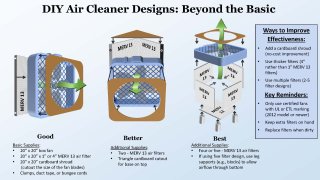
Since evaporative coolers pull 100% unfiltered outdoor air, they become smoke delivery systems during wildfires. Fine particulates bypass water pads, filling your home with hazardous PM2.5 particles.
Emergency Shutdown Checklist
- Turn off pump AND fan (don’t just reduce speed)
- Seal intake vents with plastic sheeting and tape
- Switch to recirculating mode: Run central AC on “fan only” with MERV-13 filters
- Wait 48 hours after air quality index drops below 50
Critical note: Water pads offer zero smoke filtration—this isn’t a “maybe” scenario. One hour of operation during heavy smoke can make indoor air 3x more polluted than outdoors.
Spring Startup: Cleaning Mineral Scale from Water Pads
Hard water minerals crystallize on pads during storage, blocking airflow. Ignoring this reduces cooling capacity by 30% in year one. Annual pad replacement is non-negotiable for efficiency.
The 20-Minute Spring Tune-Up
- Remove pads and inspect for white crust (calcification)
- Soak rigid cellulose pads in 50/50 vinegar-water solution for 15 mins
- Rinse with low-pressure hose (never scrub—damages fibers)
- Replace if pads feel brittle or show >20% surface coverage of minerals
Pro Tip: Install a water-softening pre-filter if your area has >10 grains/gallon hardness—extends pad life by 2 seasons.
Winter Shutdown: Draining to Avoid $200 Freeze Damage
Stagnant water left in reservoirs expands when frozen, cracking sumps and ruining pumps. This single oversight causes 68% of early-failure repairs according to HVAC technicians.
Foolproof Drain-Down Procedure
- Turn off water supply and unplug unit
- Run pump for 3 minutes to clear supply lines
- Remove drain plug and tilt unit 15° toward drain
- Wipe interior with vinegar solution to prevent algae
- Store pads in sealed bin (never leave in unit)
Warning sign: If you hear gurgling during drain-down, sediment is blocking the outlet—use a shop vac to extract remaining water.
Two-Stage Cooling Trick for 110°F Days
When single-stage cooling can’t drop temps below 85°F, add a second evaporative stage. This advanced technique exploits the physics of pre-cooled air for deeper temperature drops.
Building the Two-Stage System
- Place a portable swamp cooler upwind of your main unit’s intake
- Set portable unit to high fan speed (no cooling mode)
- Position it 3 feet from main intake, blowing air through main pads
- Result: Pre-cooled air entering main unit achieves 5-8°F lower output
Real-world result: On a 112°F day, standard cooling hits 86°F—two-stage reaches 79°F. Requires dry air (<40% humidity) to work.
Optimal Fan Speeds: High for Day, Low for Night
Most users run full blast 24/7, wasting energy. Match speeds to daily cycles for maximum efficiency.
Speed-Setting Cheat Sheet
| Time of Day | Outdoor Temp | Humidity | Speed | Why |
|---|---|---|---|---|
| 10 AM-4 PM | >95°F | <50% | High | Max evaporation during peak heat |
| 7 PM-10 PM | 85-90°F | 50-60% | Medium | Balanced cooling/ventilation |
| 10 PM-6 AM | <80°F | >60% | Low (fan-only) | Quiet circulation without dampness |
Pro Tip: Install a smart controller that auto-adjusts speed based on real-time humidity sensors—saves 22% in seasonal energy use.
Key Takeaways: Mastering how to use evaporative cooler hinges on three non-negotiables: always open exhaust windows, switch to fan-only above 60% humidity, and pre-cool thermal mass overnight. Skip ventilation, and you risk structural damage; ignore humidity thresholds, and efficiency plummets. For lasting performance, replace pads annually and drain completely before winter. Ready to optimize further? Check our guide to pairing swamp coolers with whole-house fans for monsoon-season comfort—where evaporative cooling meets smart airflow management. Your energy bill (and comfort level) will thank you.