
Your swamp cooler’s cooling power mysteriously fades each summer, leaving you sweltering despite the unit running constantly. That musty odor drifting through vents? It’s not just unpleasant—it’s a warning sign. When mineral deposits choke water lines, mold colonizes cooling pads, and algae slicks the sump pan, your evaporative cooler works harder while delivering dirtier air. This comprehensive how to clean a swamp cooler guide reveals exactly why skipping maintenance costs you 30% more in energy bills and transforms your home’s air quality. You’ll learn field-tested techniques to revive cooling efficiency, eliminate health hazards, and extend your unit’s lifespan—no professional help required.
Most homeowners wait until performance plummets before addressing swamp cooler grime, but that reactive approach accelerates wear. Proper cleaning isn’t just about removing visible slime; it targets hidden threats like calcium scale in distribution lines and biofilm on pump impellers. By following this protocol, you’ll restore factory-level airflow, slash humidity-related mold risks, and ensure crisp, clean air all season. Let’s dive into the exact process that keeps evaporative coolers running like new.
Why Power Disconnection Prevents Catastrophic Accidents
Before touching a single component, you must eliminate electrocution risks. Swamp coolers combine water and electricity in ways that demand absolute caution—never assume the wall switch cuts all power.
Shutting Off Main Power at the Circuit Breaker
Locate your home’s electrical panel and flip the breaker labeled for the swamp cooler. Verify power is fully disconnected by holding a non-contact voltage tester near the unit’s wiring compartment. If the tester lights up, you’ve switched the wrong breaker—this step is non-negotiable for safety. Skipping it risks severe shock when water contacts live terminals during cleaning.
Isolating the Water Supply Line
Trace the flexible hose feeding your cooler to find the shutoff valve, typically near the unit or at your main water line. Turn the valve clockwise until snug to halt water flow. Test by briefly activating the cooler’s pump button—no water should emerge. For seasonal cleanings, disconnect the hose entirely to prevent accidental leaks during pad removal.
Draining Stagnant Water to Stop Bacterial Growth
Standing water becomes a toxic soup of algae and bacteria within days. Draining properly prevents recontamination during cleaning and reveals hidden corrosion.
Locating and Clearing the Drain Plug
Find the drain plug at the sump pan’s lowest point—often a 1/2-inch threaded cap or pull-chain valve. Place a bucket underneath, then twist counterclockwise to open. If water drains sluggishly, insert a stiff wire (like a coat hanger) into the outlet to dislodge mineral chunks. Never force the plug; stripped threads cause costly leaks later.
Flushing Residual Sediment from the Sump
After initial drainage, pour 2 gallons of clean water into the pan to suspend settled grit. Reopen the drain to flush this debris. Repeat until流出 water runs clear. Check for dark slime clinging to corners—this indicates chronic neglect requiring aggressive scrubbing in the next step.
Deep-Scrubbing the Sump Pan to Eliminate Biofilm

The sump pan collects scale, algae, and organic sludge that clogs pumps and breeds pathogens. A thorough clean here prevents 80% of common failures.
Removing Scale with Vinegar Solution Scrubbing
Mix equal parts white vinegar and warm water in a spray bottle. Saturate the pan’s interior, focusing on scummy corners and the pump inlet screen. Let sit 15 minutes to dissolve mineral deposits, then scrub with a stiff nylon brush (metal brushes scratch plastic pans). Pay special attention where waterline residue creates a visible ring—this biofilm layer spreads contaminants when the unit runs.
Disinfecting Hidden Mold Colonies
After scale removal, spray undiluted vinegar on all surfaces and let dwell 10 minutes. Target crevices around the float valve assembly where moisture hides mold spores. Rinse twice with clean water—residual vinegar attracts dust. Never use bleach; it degrades rubber components and creates toxic fumes when mixed with mineral deposits.
Cleaning or Replacing Cooling Pads to Restore Airflow
Clogged pads reduce cooling by 50% while pushing mold spores into your home. Knowing when to clean versus replace saves money without compromising performance.
Rinsing Pads Without Causing Damage
Remove panels securing the pads (usually side latches or front clips). Hold pads vertically and spray from the clean side outward with a garden hose on low pressure—high pressure shreds the rigid cellulose fibers. Work top-to-bottom to push debris away from the air intake surface. If water runs clear after 2 minutes, pads are salvageable; persistent cloudiness means replacement is needed.
Identifying When Pads Must Be Replaced
Discard pads showing any of these signs:
– Brittleness: Crumbles when gently bent
– Mineral Crust: White, chalky deposits covering >30% of surface
– Discoloration: Green/black mold that won’t rinse out
New pads cost $25-$60 and instantly boost cooling capacity. Install with the grooved side facing airflow—backward placement creates dead zones for debris buildup.
Unclogging Mineral Deposits in Water Lines
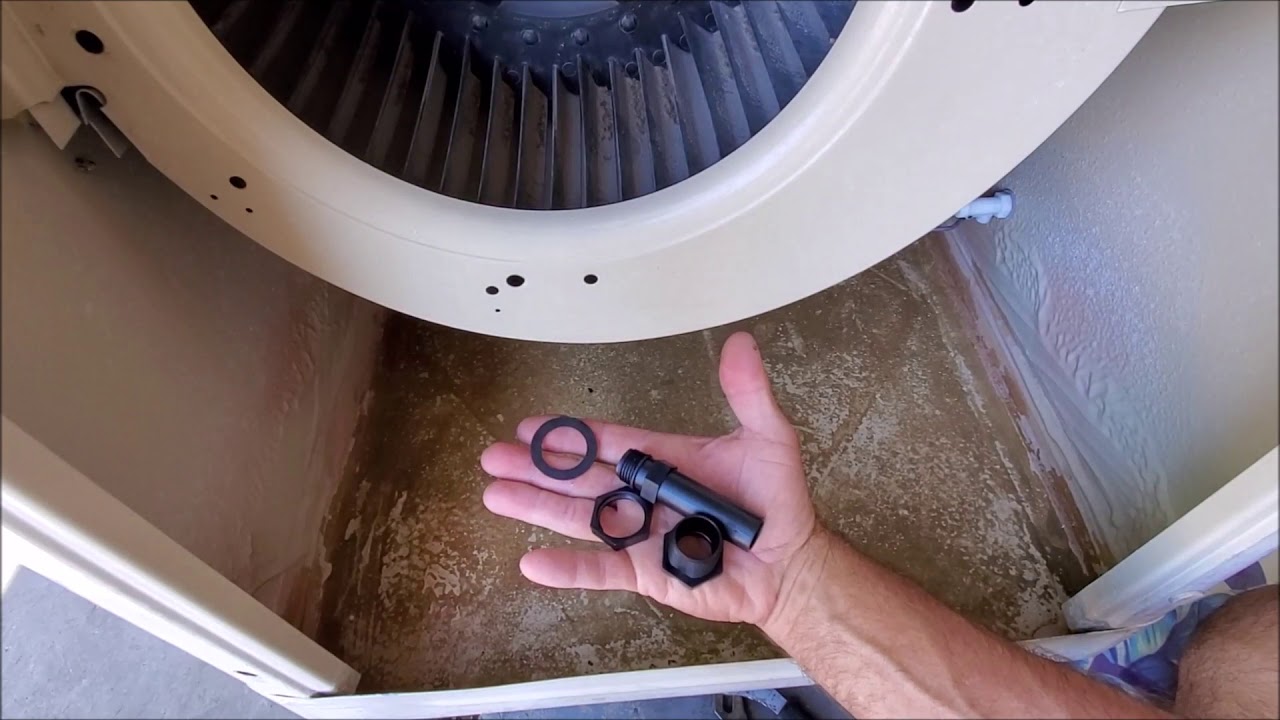
Hard water minerals silently choke distribution systems, causing uneven pad saturation and overheating. This step targets the #1 cause of “cooling failure” complaints.
Clearing Weep Holes with Precision Tools
Remove the distribution tray to access tiny weep holes (1-2mm diameter). Insert a pipe cleaner or unfolded paperclip to dislodge blockages—never use metal rods that enlarge holes. Test flow by pouring water into the tray; it should drip uniformly across all pads. If holes are corroded shut, replace the entire tray ($15).
Descaling Lines with Vinegar Soak Method
Disconnect supply lines and submerge clogged sections in a 1:1 vinegar-water solution for 30 minutes. For stubborn scale, add 2 tablespoons of citric acid powder to boost dissolving power. Flush lines thoroughly afterward—residual acid accelerates future mineral adhesion.
Servicing Pump and Motor Components
Pump failures cause dry pads and motor burnout. Cleaning these parts prevents 70% of mid-season breakdowns.
Reviving Clogged Pumps with Vinegar Bath
Remove the pump by unscrewing its housing (note wiring positions for reassembly). Soak the entire unit in vinegar solution for 20 minutes, then brush the intake screen with an old toothbrush. Test operation submerged in a bucket before reinstalling—sputtering indicates trapped air needing priming.
Dust Removal from Blower Assembly
Vacuum motor vents and fan blades with a soft brush attachment. For tight spaces, use compressed air in short bursts while spinning the fan manually. Critical: Never spray lubricant on the motor—swamp cooler motors are sealed and oil attracts dust. Wipe exterior housing with a damp microfiber cloth only.
Reassembly Checklist for Leak-Free Operation
Rushing reassembly guarantees water damage. Verify these points before restoring power.
Ensuring Pad and Pump Alignment
Slide pads into grooves until they click into place—gaps cause airflow leaks. Reconnect the pump hose with a quarter-turn clockwise twist until snug (over-tightening cracks fittings). Confirm the float arm moves freely; binding causes overflow.
Testing Water Distribution Before Full Operation
Close the drain valve, fill the sump halfway, and activate the pump. Watch for:
– Even water flow across all pads (no dry spots)
– No leaks at pump connections or pan seams
– Steady drainage from the bleeder line
Run for 10 minutes to confirm stable operation before closing the unit.
Monthly Maintenance to Prevent Summer Breakdowns
Draining the sump weekly stops algae before it takes hold. This 15-minute task eliminates 90% of odor complaints.
Quick-Drain Technique for Busy Homeowners
After turning off power, pull the drain plug and let water empty for 5 minutes. While draining, wipe the pan rim with a vinegar-dampened cloth to remove new scale. Refill with fresh water—never reuse stagnant water. Do this every 7-10 days during peak use.
Bleeder Line Inspection Protocol
Check the small plastic tube running from the sump to the drain. It should drip continuously during operation. If dry, clear blockages with a wire. A clogged bleeder line causes dangerous mineral concentration in the sump.
Spring Startup Routine for Maximum Cooling
Skipping preseason cleaning forces your cooler to work 40% harder. This checklist ensures day-one efficiency.
Pad Replacement Timing Strategy
Install new pads before the first heatwave—waiting until temperatures soar means suffering through ineffective cooling while pads ship. Order replacements in February for April installation. Pair with a full cleaning for instant 15°F temperature drop capability.
Belt Tension Verification Method
Check the motor-to-fan belt for 1/2-inch deflection when pressed mid-span. Too loose = slipping and overheating; too tight = bearing damage. Adjust tension by loosening motor mounting bolts and shifting position. Always replace cracked or glazed belts ($8).
Fall Shutdown Steps to Prevent Winter Damage
Proper storage stops rust and animal infestations that ruin units by spring.
Complete Water Evacuation Process
After final use, drain the sump and run the fan for 30 minutes to dry pads. Use a wet/dry vacuum on distribution lines to extract residual moisture in elbows. Leaving even 1 cup of water causes freeze damage in cold climates.
Pest-Proofing During Off-Season
Cover the unit with a breathable fabric cover (never plastic—it traps moisture). Stuff steel wool into air intakes to deter rodents while allowing airflow. Check covers monthly for tears; a squirrel nest in your pads costs $200 to repair.
Safety Hacks and Longevity Boosters
These pro techniques prevent injuries and double your cooler’s lifespan with minimal effort.
Ladder Safety for Roof-Mounted Units
Always position ladders on firm ground with一脚 extending 3 feet above the roof edge. Have a spotter secure the base while you work. Never lean sideways—reposition the ladder instead. Roof coolers cause 65% of DIY injury claims due to falls.
Water Treatment for Hard Water Areas
Drop one evaporative cooler-specific scale inhibitor tablet ($5 for 6) into the sump monthly. It bonds with calcium ions before they deposit on pads. Pair with vinegar cleansings for near-zero scale buildup—no more annual descaling marathons.
Reviving your swamp cooler takes just 90 minutes but pays dividends in cleaner air, lower bills, and reliable cooling. By draining weekly, replacing pads annually, and following this deep-clean protocol each spring, you’ll maintain peak efficiency for 10+ years. Remember: a well-maintained evaporative cooler uses 75% less energy than central AC while adding beneficial humidity. Grab your vinegar bottle and brush—your coolest summer starts with this simple maintenance ritual.