You’ve just installed your evaporative cooler, but it’s not delivering the refreshing chill you expected. Many homeowners make critical mistakes when using their swamp cooler that drastically reduce its effectiveness. Unlike standard air conditioners, these energy-efficient units require specific operating techniques to work properly. By following the right startup sequence, maintaining proper ventilation, and understanding when to use your swamp cooler, you can achieve up to 40°F of cooling on hot, dry days while using 75% less energy than conventional AC. This guide reveals exactly how to use a swamp cooler properly for maximum comfort and efficiency.
Why Your Swamp Cooler Only Works in Dry Conditions
Evaporative cooling depends entirely on dry air to function effectively. When hot, dry outdoor air passes through water-saturated cooling pads, the water evaporates and absorbs heat from the air, lowering its temperature. This process adds humidity to your home while cooling the air—typically reducing temperatures by 15-40°F depending on conditions. Crucially, your swamp cooler becomes ineffective when outdoor humidity exceeds 60% because the air can’t absorb additional moisture, eliminating the cooling effect.
The Exact Conditions for Optimal Swamp Cooler Performance
Your evaporative cooler delivers maximum cooling when:
– Outdoor temperature is above 80°F (27°C)
– Relative humidity is below 50% (ideal range)
– There’s adequate ventilation in your home
– Cooling pads are fully saturated with water
What Happens When You Use a Swamp Cooler in Humid Weather
Running your swamp cooler when humidity exceeds 60% creates uncomfortable conditions. Instead of cooling your space, it simply adds more moisture to already humid air, making your home feel muggy and uncomfortable. In these conditions, you’re better off switching to standard ventilation mode if your system supports it, or using alternative cooling methods.
5 Critical Pre-Startup Checks for Your Swamp Cooler
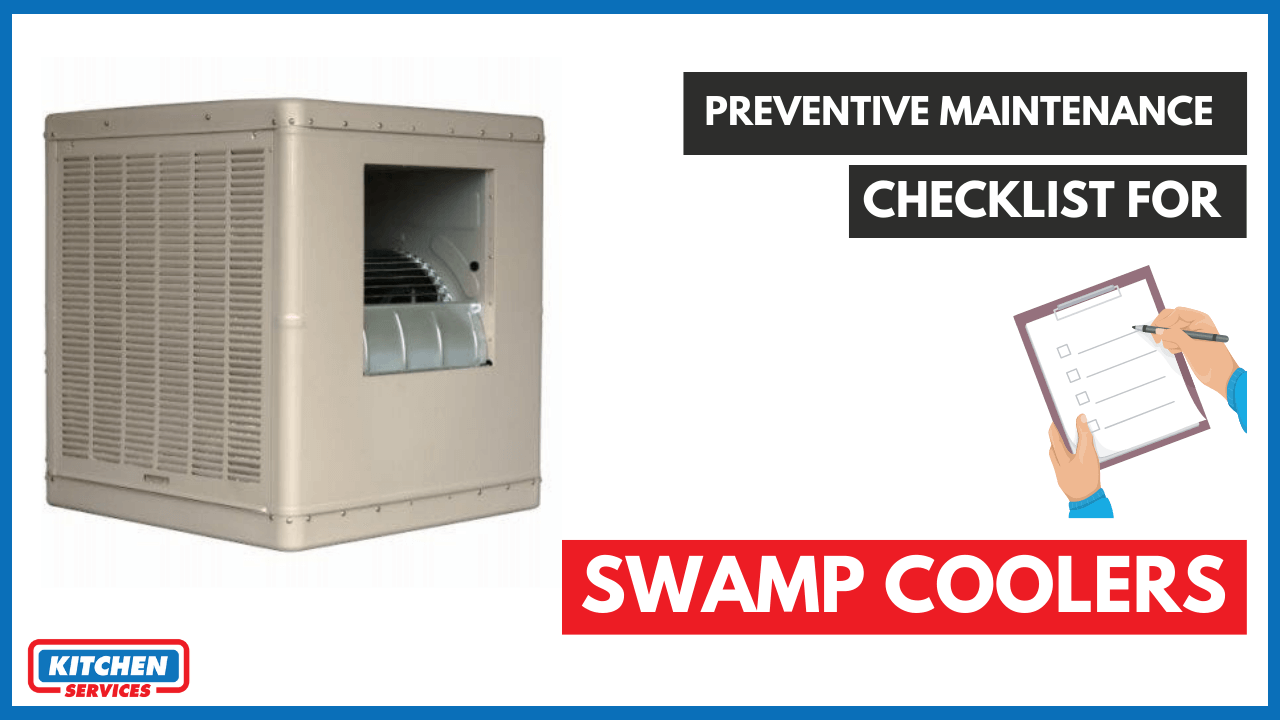
Before you turn on your swamp cooler for the season, these checks prevent damage and ensure peak performance.
Verify Water System Functionality Before First Use
Check your water connections thoroughly:
– Confirm the water supply line is securely connected with no leaks
– Test the float valve operation by manually filling the reservoir
– Ensure the drain system is clear and functioning properly
– Inspect the pump for proper operation (listen for unusual noises)
Inspect and Prepare Cooling Pads Properly
Aspen fiber pads work better than synthetic alternatives but require proper maintenance. Replace pads if they show visible mineral buildup (white, chalky deposits) or if they’ve become brittle. New pads should be installed at the start of each cooling season for optimal performance—don’t try to stretch them beyond one season.
The Correct 4-Step Startup Process for Maximum Cooling

Following this exact sequence ensures your swamp cooler delivers maximum cooling right from the first use.
Step 1: Pre-Soak the Cooling Pads (Most People Skip This!)
Never turn on the fan before soaking the pads. Activate only the water pump for 5-10 minutes to thoroughly saturate the cooling pads. You should see water trickling down the pads and flowing to the drain. Modern units often automate this pre-soak cycle, but verify it’s working properly. This step is non-negotiable—dry pads won’t cool your air effectively.
Step 2: Activate the Fan at Proper Speed
Once pads are fully saturated, turn on the fan—start on medium speed for the first cycle. High speed immediately can blow water droplets into your home. Proper airflow through wet pads creates the evaporative cooling effect that lowers air temperature.
Step 3: Create the Essential Airflow Path
Open windows 1-2 inches in the rooms you want to cool—this is absolutely critical. Without proper exhaust ventilation, your swamp cooler can’t function. The pressurized cool air needs a way to push warm, stale air out of your home. For best results, open windows across from the cooler and in the rooms you’re cooling while closing doors to unoccupied areas.
Step 4: Adjust Settings Based on Outdoor Conditions
Monitor outdoor humidity with a hygrometer. When humidity exceeds 60%, reduce water flow to prevent excessive indoor humidity. In extremely dry conditions (below 30% humidity), you may need to increase water flow for maximum cooling effect. The ideal balance creates cool, comfortable air without making your home feel damp.
Daily Operating Secrets for Maximum Efficiency
Using your swamp cooler properly throughout the day makes a dramatic difference in comfort and energy savings.
Optimize Your Ventilation Strategy
Create a cross-breeze by opening windows on opposite sides of your home. The window farthest from the cooler should be opened wider than the one closest to it. This creates optimal airflow through your living space. During the hottest part of the day, focus cooling on occupied rooms by closing doors to unused areas.
Timing Your Swamp Cooler Usage
Run your evaporative cooler during the hottest parts of the day when outdoor humidity is typically lowest. Many homeowners make the mistake of turning it off when temperatures peak, precisely when it would be most effective. Use it in conjunction with ceiling fans to distribute cooled air more effectively throughout your home.
When to Turn Off Your Swamp Cooler
Shut down properly using this two-step process:
1. Turn off the fan but let the water pump run for 5 minutes to flush mineral deposits
2. After 5 minutes, turn off the water pump
This simple shutdown routine extends the life of your cooling pads by preventing mineral buildup and algae growth.
Essential Maintenance Schedule for Reliable Operation

Following this maintenance routine prevents 90% of common swamp cooler problems.
Daily Maintenance Tasks
- Check water level in the reservoir before operation
- Verify proper water flow to all cooling pads
- Listen for unusual pump or fan noises
- Monitor for leaks around connections
Weekly Maintenance Checklist
- Inspect cooling pads for mineral buildup
- Clean water inlet strainer to prevent clogs
- Check water distribution system for even coverage
- Look for signs of algae growth in the reservoir
Seasonal Startup and Shutdown Procedures
At the beginning of cooling season:
– Replace cooling pads
– Clean and flush the entire water system
– Lubricate fan motor bearings
– Test all controls and safety features
At the end of cooling season (critical!):
– Completely drain all water from reservoir, pump, and lines
– Blow out water lines with compressed air
– Clean and dry all components
– Cover the unit to prevent debris accumulation
Fix These 4 Common Swamp Cooler Problems in Minutes
Most swamp cooler issues have simple solutions you can address yourself.
Problem: Poor Cooling Performance
Check these 4 things first:
1. Are windows open for proper ventilation? (Most common issue)
2. Are cooling pads fully saturated with water?
3. Is mineral buildup visible on the pads?
4. Is the water pump operating correctly?
Problem: Water Leaking from the Unit
Immediate actions to take:
– Check for clogs in the drain system
– Verify float valve is functioning properly
– Inspect water supply connections for leaks
– Ensure overflow drain is clear and unobstructed
Problem: Musty Odors Coming from the Cooler
Eliminate odors with these steps:
– Drain and clean the reservoir thoroughly
– Replace old cooling pads
– Add manufacturer-approved algaecide to the water
– Run the pump without the fan for 15 minutes to dry the pads after use
Problem: Excessive Humidity Indoors
Reduce indoor humidity by:
– Opening additional windows for better ventilation
– Reducing water flow to the cooling pads
– Operating the swamp cooler only when outdoor humidity is below 50%
– Using exhaust fans in kitchens and bathrooms to remove excess moisture
When to Call a Professional for Your Swamp Cooler
While most swamp cooler issues are DIY-friendly, certain problems require professional assistance. Contact a qualified technician if you experience:
– Electrical issues or motor problems
– Persistent water pump failures
– Structural damage to the unit housing
– Complex control system malfunctions
Annual professional maintenance ensures all components function optimally and extends your swamp cooler’s lifespan significantly. Consider a maintenance agreement for seasonal startup and shutdown procedures if you’re not comfortable performing them yourself.
By following these specific guidelines for how to use a swamp cooler properly, you’ll enjoy significantly better cooling performance while extending the life of your unit. Proper ventilation, correct startup sequence, and consistent maintenance transform your evaporative cooler from an underperforming appliance into an efficient, cost-effective cooling solution. Remember that swamp coolers work best in dry climates when used correctly—you’ll save energy while staying comfortable on the hottest days.