When your swamp cooler suddenly stops cooling on a 105°F desert afternoon, you’re not just uncomfortable—you’re facing a race against time to restore relief. These evaporative cooling systems are lifelines in arid regions, but mineral buildup, motor failures, and water system issues can cripple performance within hours. By mastering these swamp cooler repair techniques, you’ll transform from helpless homeowner to capable troubleshooter, saving hundreds in service calls while keeping your home cool all summer. This guide delivers actionable fixes for immediate problems and preventive strategies to extend your unit’s lifespan beyond the typical 10-15 years.
Diagnose Dry Pads: The #1 Cause of Weak Cooling
When your evaporative cooler blows warm air despite running, dry or unevenly saturated pads are almost always the culprit. This isn’t just an inconvenience—it means your unit is wasting 90% of its cooling potential. Here’s how to pinpoint and fix the water delivery failure in under 15 minutes.
Verify Water Pump Operation and Flow
Stand near the unit while it’s running and listen for the pump’s distinctive hum—a silent pump means immediate action is needed. Locate the clear distribution tube running from the pump to the header tank. If no water flows upward through this tube:
– Check the float valve: Lift the reservoir cover and nudge the float arm. If it’s stuck in the “off” position due to mineral deposits, clean it with vinegar-soaked cloth.
– Clear pump inlet clogs: Disconnect power, remove the pump’s protective screen (usually a twist-off cap), and use an old toothbrush to scrub scale from the intake holes. Reassemble and test.
– Bypass electrical issues: If the pump still won’t run, use a multimeter to check for 115V at the pump terminals. No power? Trace wiring to the control board for loose connections.
Replace Mineral-Clogged Distribution Lines
When pads stay dry in specific sections despite pump operation, mineral-blocked distribution lines are the hidden enemy. These plastic tubes have tiny drip holes that seal shut with hard water deposits:
– Time estimate: 20 minutes with replacement lines
– Visual cue: Look for white crust around drip holes
– Pro fix: Soak lines in 50/50 vinegar-water solution for 30 minutes, then use a paperclip to clear holes. If scaling is severe (common in Arizona or Nevada), replace lines—this $8 part prevents recurring swamp cooler repair emergencies.
Fix Motor Humming Without Fan Movement
That ominous humming sound with zero airflow signals a critical startup failure. Don’t panic—80% of these cases involve two fixable components. Always cut power at the main breaker before proceeding—this involves live electrical components.
Replace the Failed Start Capacitor
This hockey-puck-shaped component provides the motor’s initial “jump start.” When bulging, leaking oil, or showing a popped vent (a silver dome on top), it’s dead:
– Safety first: Discharge the capacitor by shorting its terminals with an insulated screwdriver
– Match specs exactly: Note the microfarad (µF) rating and voltage (e.g., “40µF 370V”) before buying a replacement ($12-$25)
– Installation: Disconnect the two wires, remove mounting strap, swap units, and reattach. Test immediately—successful fixes produce a satisfying thunk as the motor starts
Free Seized Motor Bearings
If the capacitor checks out but the motor shaft won’t budge when manually rotated (power OFF!), bearings have likely seized from dust and moisture:
– Lubrication attempt: Drip 3-4 drops of lightweight machine oil (not WD-40) into bearing ports and wait 10 minutes
– Last-resort manual spin: Use channel locks on the shaft (wrap with cloth to prevent marring) for gentle back-and-forth motion
– Warning sign: If you smell burnt insulation or see smoke, stop immediately—this requires motor replacement
Stop Indoor Water Leaks in 10 Minutes
Water pooling beneath your cooler isn’t just messy—it can rot subflooring and trigger mold. 95% of indoor leaks stem from one overlooked component that takes minutes to fix.
Unclog the Overflow Drain Line
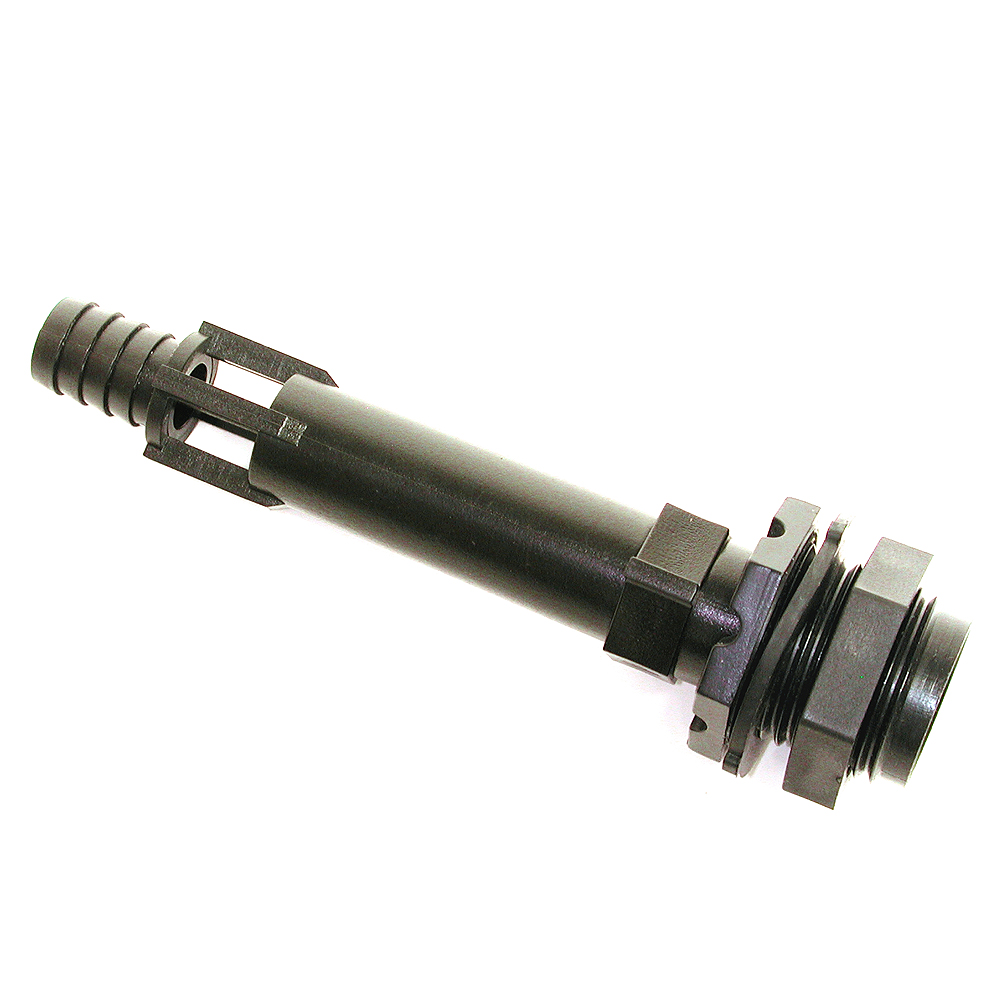
This small-diameter hose (usually 3/8″ plastic) runs from the reservoir base to your home’s exterior. When blocked by mud dauber nests or mineral sludge:
– Locate the drain: Trace the line outside to where it exits your wall
– Clear blockages: Disconnect the line at the cooler end, then blast it with a garden hose from the exterior opening. For stubborn clogs, feed a 18″ plumber’s snake through the line
– Prevent recurrence: Install an in-line filter ($7) where the drain line connects to the reservoir—this catches debris before it enters the line
Fix Common Secondary Leak Sources
If draining the line doesn’t solve it, check these frequent offenders:
– Cracked reservoir pan: Shine a flashlight along seams for hairline fractures. Seal small cracks with pond liner patch kit ($15)
– Misaligned float valve: If the valve sticks in the “open” position, clean the pivot arm with vinegar and adjust the float height per manufacturer specs
– Unit leveling: Use a carpenter’s level on the cooler’s top surface. Shim legs until perfectly level—this prevents water from pooling at one edge
Prevent Pad Clogging With Hard Water Fixes

Reusing last year’s pads is the fastest route to poor cooling and moldy odors. But replacing pads monthly isn’t sustainable. These swamp cooler repair strategies tackle mineral buildup at its source.
Install Continuous Bleed-Off Systems
Most units have a small “bleed-off” tube that constantly drips water to flush minerals. When this stops dripping:
– Clear the bleed line: Disconnect the tube and blow air through it to remove scale
– Upgrade to auto-drain: Install a solenoid valve kit ($35) that flushes the reservoir hourly during operation
– Hard water hack: Mix 1 cup of white vinegar into the reservoir weekly—this dissolves scale without damaging pads
Choose the Right Pad Material for Your Water
Standard aspen pads clog fast in hard water areas. Upgrade based on your water quality:
– Aspen pads: Best for soft water; replace every 2-3 months
– Cellulose pads: Last 2x longer in hard water; look for “mineral-resistant” coating
– Synthetic media: Near-zero maintenance but costs 3x more; ideal for well water users
Seasonal Startup: Avoid First-Day Failures
Rushing startup causes 60% of early-season breakdowns. This 30-minute checklist prevents disasters before temperatures soar.
Critical Pre-Season Checks
- Reservoir deep clean: Scrub with stiff brush and 50/50 vinegar solution—never use bleach (it degrades pads)
- Belt tension test: Press midway between pulleys; should deflect 1/2″ to 3/4″. Too loose? Tighten motor mount bolts clockwise
- Pad saturation check: Run unit 5 minutes, then inspect pads from all sides. Uneven wetting means distribution line issues
- Drain verification: Confirm overflow drain flows freely by pouring 2 gallons of water into reservoir
Winterization Mistakes That Cause Summer Breakdowns
Skipping these end-of-season steps guarantees next year’s swamp cooler repair emergency:
– Never leave pads in: Wet pads freeze, expand, and crack side panels—remove and store vertically
– Drain completely: Use a wet/dry vacuum on reservoir after gravity drain to extract hidden water pockets
– Cover correctly: Use breathable fabric cover—not plastic—which traps moisture and causes rust
When to Call a Professional Immediately
Some swamp cooler repair jobs demand expert hands. Don’t risk electrocution or costly damage with these scenarios:
High-Risk Situations Requiring a Technician
- Burnt wiring smell: Indicates short circuits needing electrical certification to fix
- Motor replacement: Requires precise pulley alignment and torque specs
- Cracked reservoir pan: Plastic welding needs specialized tools
- Low-voltage control board issues: Involves complex circuitry
Cost-Benefit Analysis for DIY vs. Pro
| Issue | DIY Cost | Pro Cost | Risk Level | Verdict |
|---|---|---|---|---|
| Pad replacement | $25 | $75 | Low | DIY |
| Capacitor swap | $15 | $60 | Medium | DIY if experienced |
| Motor replacement | $120 | $300 | High | Pro |
| Reservoir crack | $10 patch | $180 | Medium | Pro for large cracks |
Extend Your Cooler’s Life With Bi-Weekly Maintenance
The secret to avoiding major swamp cooler repair bills isn’t one big fix—it’s consistent micro-maintenance. Add these 5-minute tasks to your routine:
- Check bleed-off drip rate: Should release 1-2 gallons per hour. No drip? Clean bleed line immediately
- Inspect belt tension: Visible cracks or glazing means replacement within 2 weeks
- Smell for odors: Musty scents indicate algae growth—add evaporative cooler biocide ($8)
- Clear exterior vents: Remove cobwebs blocking airflow with a soft brush
By implementing these targeted strategies, you’ll transform your swamp cooler from a seasonal headache into a reliable cooling workhorse. Remember: 80% of breakdowns stem from neglected water systems and seasonal prep. Spend 30 minutes each spring winterizing properly, and you’ll slash emergency swamp cooler repair calls by 70%. Keep this guide handy when temperatures rise—your future cool, comfortable self will thank you.