Is your standard fan failing to beat the summer heat? You’re not alone. When temperatures soar, a regular fan just recirculates hot air instead of actually cooling your space. The solution? Transform your ordinary fan into a powerful evaporative cooling system that can lower room temperatures by 15-20°F while using just a fraction of the energy of traditional air conditioning. This guide shows you exactly how to make a fan cooler with water using affordable, readily available components—no special skills required. You’ll learn the science behind evaporative cooling, the precise materials you need, and a step-by-step assembly process that anyone can follow to create an effective, energy-efficient cooling solution perfect for dry climates.
Why Standard Fans Fail When Temperatures Climb Above 90°F
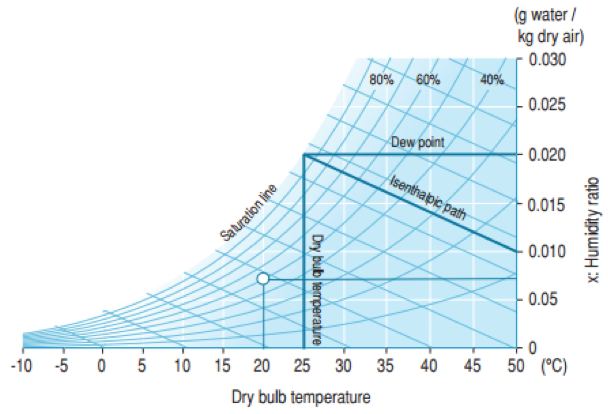
When the mercury rises, your regular fan hits a critical limitation: it can’t lower air temperature, only circulate existing hot air. At temperatures above body heat (98.6°F), fans actually make you feel warmer by moving hot air over your skin. This is where evaporative cooling changes everything. By adding water to the equation, you leverage a powerful natural process—when water evaporates, it absorbs significant heat energy from surrounding air (approximately 585 calories per gram evaporated). The result? Air that exits your modified fan can be dramatically cooler than what enters it, creating genuine relief instead of just moving hot air around your space. This process works best in dry climates with humidity below 50%, making it ideal for arid and semi-arid regions where traditional AC would consume excessive energy.
Essential Materials for Your Water-Powered Fan Cooler
Before you start building, gather these specific components for optimal performance and safety:
Core Components Checklist
- Water reservoir: Food-grade 5-gallon HDPE bucket (look for #2 recycling symbol)
- Evaporative media: 4-inch thick cellulose or aspen cooling pad (minimum 12″x12″ size)
- Air mover: 12V DC brushless fan (120mm size, minimum 80 CFM airflow)
- Water pump: 12V submersible DC pump (0.6 GPM flow rate, 3.5ft head pressure)
- Power system: 12V DC power supply (3A minimum) with 5A automotive fuse
- Water distribution: Perforated PVC pipe or drip line (1/4″ diameter)
Smart Upgrade Options
- Temperature control: DHT22 sensor ($5) paired with ESP32 microcontroller ($10)
- Water quality management: Hydrogen peroxide (3% solution) for algae prevention
- Frame construction: 3/4″ PVC pipe for stable housing (cheaper than wood alternatives)
Building Your Water Fan Cooler: Step-by-Step Assembly

Cutting the Perfect Opening for Maximum Airflow
Your bucket needs precise openings to create proper airflow dynamics. Start by marking a rectangular section on the side of your 5-gallon bucket—this should measure approximately 10″x10″ for standard cooling pads. Use a hole saw or jigsaw to create clean edges, leaving a 1/4″ lip around the perimeter to secure your evaporative media. On the opposite side, cut a circular opening sized exactly for your fan (typically 4.7″ for 120mm fans). Remember: the fan must pull air through the wet pad and into the bucket, not push air outward. This configuration creates negative pressure that maximizes water evaporation and cooling efficiency.
Installing the Evaporative Cooling Media Correctly
Your cooling pad is the heart of the system—install it wrong and performance plummets. Position the cellulose or aspen pad so it contacts both the water reservoir at the bottom and extends to the top of your bucket. The pad must fill the entire rectangular opening with no gaps around the edges—use food-grade silicone sealant to create an airtight seal. Proper installation ensures all incoming air passes through the saturated media, maximizing evaporation. If you see dry spots on your pad during operation, this indicates improper water distribution or gaps in installation that need immediate correction.
Setting Up the Water Circulation System

Place your submersible pump at the bottom of the bucket, then attach flexible tubing to its outlet. Connect this to a perforated PVC pipe or drip line running horizontally across the top of your cooling pad. The key to effective cooling is uniform water distribution—drill 1mm holes every 3 inches along the pipe to create a gentle “shower” that saturates the entire pad surface. When operating, water should trickle down through the pad and return to the reservoir, creating a closed-loop system. Fill your bucket with 3-4 gallons of water, adding 1-2 teaspoons of 3% hydrogen peroxide per gallon to prevent algae growth without harsh chemicals.
Wiring Your 12V Fan and Pump Safely
Electrical safety is non-negotiable with water-based systems. Follow this wiring sequence:
1. Connect the positive (+) terminal of your pump to one side of your 5A fuse
2. Connect the fan’s positive terminal to the same fused line
3. Join both negative (-) terminals to the power supply’s negative output
4. Install an inline switch on the positive line before the fuse
Use 16 AWG wire for all connections and secure everything with waterproof wire nuts. Before powering up, double-check that all electrical components sit at least 2 inches above the maximum water line. If you’re adding smart controls, connect your DHT22 sensor to the ESP32 and program it to activate the system only when humidity falls below 50% and temperature exceeds 77°F—this prevents wasted operation in conditions where evaporative cooling won’t work.
Optimizing Your Water Fan Cooler for Best Performance
Achieving Maximum Cooling in Dry Climates
Your DIY cooler performs best when you optimize these three factors:
– Airflow speed: Set fan speed to move air through the pad at 2-3 meters/second—too fast reduces evaporation time
– Water temperature: Use cool (not cold) water as the starting point—evaporation works better from cooler water
– Pad saturation: Maintain 70-80% saturation—completely soaked pads restrict airflow while dry spots reduce cooling
In ideal conditions (35°C/95°F at 20% humidity), a properly optimized system can achieve 88% evaporative efficiency, dropping outlet temperatures to a comfortable 21°C (70°F). Monitor performance with a simple thermometer placed at the air outlet—significant temperature differences between intake and output confirm your system is working correctly.
Troubleshooting Common Water Fan Cooler Issues
Problem: Minimal temperature drop despite proper assembly
Solution: Check for air gaps around your cooling pad—these let hot air bypass the evaporative media. Reseal with additional silicone.
Problem: Uneven pad wetting with dry spots
Solution: Increase pump flow rate or adjust drip line hole spacing—1mm holes every 3 inches typically provides optimal distribution.
Problem: Musty odor after several weeks of use
Solution: Drain and clean the reservoir with a vinegar solution (1 part vinegar to 4 parts water), then refill with fresh water and hydrogen peroxide treatment.
Maintenance Schedule to Keep Your Cooler Running All Summer
Skip maintenance and your cooler’s efficiency drops dramatically within weeks. Follow this simple schedule:
Weekly Tasks
- Drain and refill reservoir with fresh water
- Inspect cooling pad for mineral buildup (white crusty deposits)
- Clean pump intake filter with a soft brush
Monthly Tasks
- Test water pH using strips (should be 6.5-7.5)
- Check electrical connections for corrosion
- Rotate or flip cooling pad to ensure even wear
End-of-Season Care
- Remove and thoroughly clean all components
- Store pad in a dry, ventilated area
- Drain all water from system before storage
Why Your DIY Water Cooler Beats Traditional AC on Energy Bills
The financial advantage of your water fan cooler becomes obvious when you compare operating costs. While a standard window AC unit consumes 500-1500 watts and costs approximately $150 annually to run, your DIY evaporative cooler uses just 20-40 watts total—translating to about $15 per cooling season. That’s a 90% reduction in energy costs! With component costs under $100, your system pays for itself in just one or two cooling seasons. Plus, you’re reducing your carbon footprint by 0.5-1 ton of CO₂ annually compared to conventional air conditioning. In dry climates, this simple water-enhanced fan provides genuine cooling without the massive energy drain of refrigerant-based systems.
Transforming a standard fan into a water-powered cooling system unlocks genuine temperature reduction where ordinary fans fail. By following these precise steps and maintaining your system properly, you’ll enjoy significantly cooler air all summer while keeping energy costs minimal. Remember that evaporative cooling works best in dry conditions—when humidity rises above 60%, switch back to standard fan operation. With your new water fan cooler, you’ve created an affordable, efficient solution that provides real relief from summer heat without breaking the bank or the environment.