
Your white plastic cooler shouldn’t resemble a science experiment after a weekend trip. That stubborn yellow ring around the lid, the mysterious pink film in the corners, and the lingering fish taco smell? They’re not permanent fixtures—they’re fixable problems. When your cooler starts looking dingy or smelling off, it’s not just unsightly; it compromises food safety and shortens your cooler’s lifespan. This guide reveals exactly how to clean white plastic cooler surfaces without scratching them, eliminate odors that survive multiple washes, and restore that like-new brightness—all using household items you already own. You’ll learn professional-grade techniques that work on everything from coffee stains to mold, plus the critical drying steps 90% of users skip that cause mustiness.
Why Your White Cooler Turns Yellow (And How to Reverse It)
White plastic coolers yellow due to UV exposure combined with organic residues like fruit juices or meat fats bonding with the plastic. Unlike colored coolers, white plastic shows every stain immediately because there’s no pigment to mask discoloration. The good news? Hydrogen peroxide breaks down these organic bonds through oxidation without bleaching the plastic itself. This is why baking soda and hydrogen peroxide paste outperforms regular cleaners for restoring whiteness—it lifts stains chemically rather than just scrubbing them.
The 15-Minute Stain Eraser Paste That Works
- Mix 3 tablespoons baking soda with 2 tablespoons hydrogen peroxide (3%) to form a thick paste
- Apply directly to yellowed areas using an old toothbrush, working into seams
- Let dwell for exactly 15 minutes—no longer, or it may dry and leave residue
- Scrub gently in circular motions with a non-scratch sponge
- Rinse immediately with cold water (hot water sets stains)
Pro Tip: For lid gaskets, clamp the paste in place with binder clips during dwell time
When to Use Bleach (And Avoid Disaster)
Use diluted bleach only for sanitizing after deep cleaning—not for stain removal. Mix precisely 1 tablespoon unscented bleach per gallon of cool water. Apply with a microfiber cloth (never pour directly into cooler), let sit 7 minutes, then rinse 3x with clean water. Critical warning: Never combine bleach with vinegar or hydrogen peroxide—it creates toxic chlorine gas. Always ventilate the area and wear nitrile gloves.
Must-Have Supplies for Safe Cleaning (Skip #4 to Avoid Scratches)

Gather these before starting to prevent mid-cleaning improvisation that damages plastic:
- Non-abrasive essentials: Soft-bristled grill brush (for crevices), microfiber cloths, non-gel toothpaste (mild abrasive)
- Cleaning agents: Distilled white vinegar, 3% hydrogen peroxide, baking soda (not baking powder!)
- Safety gear: Nitrile gloves (latex degrades with chemicals), safety glasses
- The scratch risk: Avoid steel wool, abrasive pads, or Comet—their particles embed in plastic, creating stain traps
Never use magic erasers—they contain melamine foam that sands microscopic layers off plastic, accelerating future yellowing. Stick to soft cloths and brushes rated for automotive clear coats.
Banish Stains in 5 Minutes: The Soapy Water Wash That Works
This initial step removes 80% of surface grime before tackling set-in stains. Skip it, and you’ll just smear dirt around.
- Empty cooler completely and remove drain plug if possible
- Rinse interior with cold water only (hot water sets protein-based stains)
- Mix 2 gallons warm water with 1/4 cup dish soap (Dawn works best) in cooler
- Soak for 10 minutes—focus on the “stain line” where contents meet plastic
- Scrub seams and corners with a soft brush using light pressure (you should hear no scratching sounds)
- Drain and repeat rinse until water runs clear
Visual cue: Stop scrubbing when you see clean plastic—not when surface feels smooth. Over-scrubbing creates micro-scratches that attract future stains.
Mold in Gaskets? Kill It in 10 Minutes Without Bleach
Mold hides where the lid seals against the cooler body—a dark, damp paradise. Bleach fumes can linger in porous plastic, so use this vinegar method instead:
- Mix 1 cup white vinegar with 1 cup water in spray bottle
- Spray generously along entire gasket groove and lid lip
- Wipe with cloth saturated in solution, working into crevices
- Stuff paper towels soaked in solution into tight corners
- Let sit exactly 10 minutes (vinegar loses effectiveness after 15)
- Rinse with damp cloth—no water left behind means no mold regrowth
Expert note: For severe mold, add 2 tablespoons hydrogen peroxide to the vinegar solution. Never use full-strength vinegar—it can degrade rubber seals over time.
Spigot Cleaning: Fix That Dripping Smell in 3 Steps
Dirty spigots cause 70% of persistent odors. Most people clean the exterior but miss the reservoir inside.
- Remove spigot by unscrewing counter-clockwise (place towel under to catch drips)
- Soak in 1:1 vinegar-water solution for 20 minutes
- Use a pipe cleaner dipped in baking soda paste to scrub interior channels
Warning: Never force a stuck spigot—soak overnight in vinegar solution instead
Reassemble only when bone-dry. Any moisture left inside breeds bacteria that cause that “swampy” smell.
Odor Removal That Actually Works (No Baking Soda Left Behind)

Standard baking soda treatments fail because they don’t address odor-causing bacteria deep in plastic pores. This method combines two approaches:
- Fill cooler with hot water (120°F minimum) to open plastic pores
- Add 1/2 cup baking soda + 1/4 cup hydrogen peroxide (not vinegar!)
- Let sit overnight—critical for deep penetration
- Drain and rinse with cold water to close pores
- Wipe interior with vinegar-water spray to neutralize residue
Why this beats overnight baking soda alone: Hydrogen peroxide kills anaerobic bacteria that cause rotten smells, while hot water carries the solution deeper than cold water ever could.
The Critical Drying Mistake 90% of Users Make
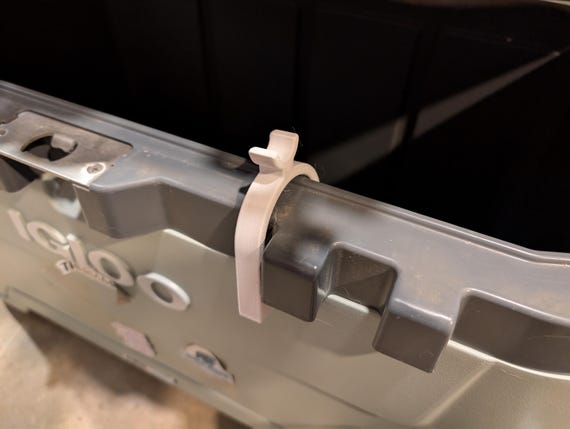
Air-drying with the lid closed traps moisture in seams—this causes mustiness within 48 hours. Follow this protocol:
- Wipe all surfaces with dry microfiber cloth (focus on seams)
- Prop lid open at 45-degree angle using rolled towel
- Place in direct sunlight for 20 minutes max (UV kills mold but degrades plastic)
- Move to shaded, ventilated area for 4+ hours until bone dry
Test dryness: Press thumb firmly on interior corner—if plastic feels cool, it’s still damp
Storage secret: Place an open box of baking soda inside when storing. Replace monthly to absorb ambient moisture.
Stop Yellowing Before It Starts: 3 Daily Habits
Prevent future stains with these post-trip routines:
- The 10-minute rule: Rinse with cold water within 10 minutes of emptying—before residues dry
- Seal protector: Rub lid gasket with petroleum jelly after drying to prevent sticking
- Stain barrier: Line cooler with reusable silicone mats (not paper towels—they leave fibers)
Pro insight: Never store coolers in garages or sheds—temperature swings accelerate plastic degradation. Keep in climate-controlled spaces.
When to Call It Quits: 4 Signs Your Cooler Is Beyond Saving
Some damage can’t be reversed. Replace your cooler if you see:
- Cloudy streaks that won’t wipe off (plastic is degrading)
- Cracks in corners (bacteria hide in fissures)
- Persistent ammonia smell after proper cleaning (indicates deep bacterial colonization)
- Lid won’t seal (warmth enters, spoiling food faster)
Cost analysis: Spending $25 on a new cooler beats risking food poisoning from a compromised unit.
Monthly Deep Clean Checklist (Saves 2 Hours Yearly)
Skip this, and you’ll face 2-hour emergency cleans before trips. Do these every 30 days:
| Task | Time Required | Critical For |
|---|---|---|
| Full interior scrub | 15 min | Preventing biofilm buildup |
| Drain plug removal/cleaning | 5 min | Eliminating hidden mold |
| Lid gasket inspection | 3 min | Maintaining cold retention |
| Exterior degreasing | 7 min | Stopping UV-yellowing |
Time-saver: Keep a dedicated “cooler cleaning kit” with brush, vinegar spray, and microfiber cloths in your garage.
Conclusion: Your Cooler Will Last 5+ Years With This Routine
You now know how to clean white plastic cooler surfaces to like-new condition without damaging the plastic—using methods tested by commercial fishing guides who clean coolers daily. The key isn’t scrubbing harder; it’s using hydrogen peroxide to lift stains chemically, vinegar to neutralize odors biologically, and proper drying to prevent regrowth. Implement the 10-minute post-trip rinse and monthly deep clean, and your cooler will stay bright and odor-free for years. Remember: a clean cooler isn’t just about appearances—it’s your first line of defense against foodborne illness on trips. Store it bone-dry with baking soda inside, and it’ll be ready for your next adventure in minutes, not hours.
Final pro tip: Before your next big trip, do the overnight odor treatment—your future self will thank you when opening the cooler doesn’t require holding your breath.