
Your Coleman cooler sits empty in the garage after summer ends, but you wonder: how long does it last Coleman cooler before it stops holding ice? That hard-sided cooler you bought for your first camping trip might still work today—or it could be leaking and stinking up your trunk. The truth is, Coleman coolers don’t have a single expiration date. Their lifespan depends entirely on which model you own and how you treat it. A Coleman Xtreme hard cooler, engineered for 5-day ice retention, can outlive soft-sided versions by a decade if maintained properly. This guide cuts through the guesswork with verified timelines, repair hacks, and storage protocols that push Coleman coolers past 15 years of reliable service.
Why Your Coleman Cooler’s Lifespan Varies by Model Type
Not all Coleman coolers share the same durability DNA. The materials and construction methods directly dictate whether your cooler survives 5 years or 15. Hard-sided models with double-walled insulation and rotomolded shells laugh off rocky tailgates, while flimsy plastic or fabric coolers crack under pressure. Your cooler’s fate is sealed at purchase—choose wisely based on how hard you’ll push it.
Hard Coolers vs. Soft Coolers: The 10-Year Gap
Hard coolers like the Coleman Xtreme series dominate longevity charts. Their injection-molded plastic shells sandwich dense insulating foam between inner and outer layers, creating a fortress against heat. These routinely hit 10–15+ years with basic care. Soft coolers? They rarely crack 10 years. Fabric exteriors degrade in UV light, zippers jam, and thin insulation compresses over time—capping their useful life at 5–8 years even with meticulous maintenance. If you haul gear to remote campsites, hard-sided is non-negotiable for longevity.
Roto-Molded Coolers: The Decade-Defying Exception
While Coleman offers heavy-duty roto-molded options (like their premium wheeled coolers), this category is dominated by brands like Yeti. These monolithic plastic beasts feature seamless construction and 2+ inches of pressure-injected foam. They’re engineered for 20+ years of abuse—some even carry lifetime warranties. But note: Coleman’s mainstream hard coolers (Xtreme, Performance) use cheaper injection molding. They’re tough but won’t match roto-molded resilience. If you need decades of service, prioritize roto-molded models.
Coleman Xtreme Series: Why 5-Day Ice Retention Equals 15-Year Durability

The Coleman Xtreme line isn’t just about keeping ice longer—it’s a durability blueprint. That advertised “5-day ice retention” under ideal conditions stems from thicker insulation walls and reinforced latches that resist warping. Real-world users confirm these coolers often last 12–15 years when stored correctly. One Reddit seller recently noted their Xtreme still performed well after years of use—except for loose hinges needing re-screwing. This highlights a critical truth: hardware failures (not insulation decay) usually kill Xtreme coolers first.
Fixing the #1 Failure Point: Loose Hinges and Latches
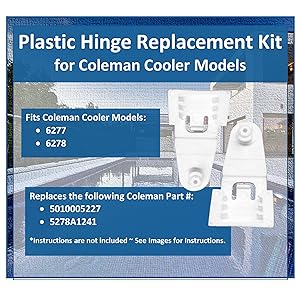
Hinge and latch deterioration is the Achilles’ heel of Coleman hard coolers. Repeated drops or improper transport cracks plastic mounting points. Here’s how to fix it:
1. Remove broken hinge screws (often stripped from plastic).
2. Drill slightly larger pilot holes into the cooler body.
3. Insert plastic anchors or use food-safe epoxy to reinforce the area.
4. Reattach with longer, corrosion-resistant screws.
Pro Tip: Apply petroleum jelly to hinge pins yearly to prevent seizing—a trick overlooked in most guides.
The Silent Killer: Moisture Damage and How to Stop It
Over 70% of Coleman coolers die prematurely from one avoidable issue: trapped moisture. Leaving your cooler closed while damp breeds mold inside the insulation cavity—a death sentence for cooling performance. This isn’t theoretical. That Reddit seller’s “great cooler” likely developed hinge issues because moisture weakened the plastic around screw points.
Deep-Cleaning Protocol for Mold Prevention
Skip this step, and your cooler’s lifespan plummets by 5+ years. Follow this post-trip routine:
1. Wash immediately with warm water + mild dish soap (never bleach while ice is present—it degrades plastic).
2. Deodorize stubborn smells with a paste of ½ cup baking soda + 2 tbsp water. Rub into seams, wait 1 hour, then rinse.
3. Disinfect mold-prone zones (drain plug, corners) with 1 tbsp bleach per gallon of water. Rinse thoroughly after 5 minutes.
4. Dry completely with lid propped open for 48+ hours in a shaded, ventilated area. Never store damp.
Storage Mistakes That Slash Your Cooler’s Lifespan in Half

Storing your Coleman cooler improperly is like parking your car in a flood zone—it works until it catastrophically fails. The most common error? Closing the lid for off-season storage. Trapped humidity warps lids and rots gaskets within 2 years.
The 3-Step Off-Season Storage Protocol
- Store empty, dry, and wide open in a temperature-stable space (garage > shed).
- Place an open box of baking soda inside to absorb ambient moisture—renew every 3 months.
- Elevate off concrete floors using wooden blocks to prevent condensation buildup.
Critical Note: Never stack heavy items on stored coolers. Pressure cracks the shell over time, ruining insulation integrity.
When to Repair vs. Replace: Coleman Cooler Triage Guide
Not every crack means retirement. Use this decision tree before buying new:
Repairable Damage (Saves $50+)
- Hairline cracks in the liner: Seal with food-safe epoxy (like PC-11) after cleaning with acetone.
- Worn lid gaskets: Replace with Coleman’s OEM parts ($8–$15). Test seal integrity with the dollar bill trick: close lid on a bill—if it slides out easily, the gasket is shot.
- Drain plug leaks: Swap the rubber o-ring (included in most repair kits).
Replace Immediately If…
- Major shell cracks near hinges or corners (compromises structural integrity).
- Insulation feels soggy or ice melts 50% faster than when new (indicates foam degradation).
- Latches won’t engage even after hinge repair (common in coolers >12 years old).
Ice Retention Hacks That Extend Your Cooler’s Functional Life
A dying Coleman cooler often just needs optimization—not replacement. These tweaks restore near-new performance:
Pre-Chill Like a Pro
Rushing to load ice? You’re wasting 30% of cooling capacity. Always pre-chill:
1. Fill cooler with ice 12 hours before your trip.
2. Drain melted water 2 hours prior.
3. Add fresh ice + drinks.
Result: Ice lasts 20–30% longer, reducing strain on aging insulation.
Block Ice > Cubes for Aging Coolers
As insulation degrades, surface area matters. Replace cubes with solid blocks:
– Freeze water in Ziploc bags (2-gallon size)
– Place blocks against cooler walls first
– Fill gaps with cubes
Blocks melt slower, extending usability by 1–2 days in older models.
When to Upgrade: 3 Clear Signs Your Coleman Has Hit Its Limit
Hold onto functional coolers, but replace these:
1. Ice melts in <12 hours on a cool day (was 2+ days when new)—indicates irreversible insulation failure.
2. Persistent foul odors after deep cleaning—mold has infiltrated foam layers.
3. Structural warping preventing airtight seals (e.g., lid won’t close flush).
The Final Word: Your Coleman Cooler’s Lifespan Timeline
A well-maintained Coleman hard cooler (like the Xtreme series) reliably delivers 10–15 years of service. Soft coolers max out at 5–8 years even with perfect care. But here’s the reality check: how long does it last Coleman cooler hinges on your habits. Skip post-trip drying? Expect 6–8 years. Store it open with baking soda? Push it to 15+. Prioritize hinge maintenance, avoid UV exposure, and never trap moisture—these moves alone add 5+ years. For coolers showing age, implement the ice retention hacks above before replacing. And if you’re shopping new? Invest in roto-molded for true decades-long use. Your next Coleman cooler isn’t just a purchase—it’s a 15-year adventure partner if treated right.
Final Tip: Bookmark Coleman’s parts page. Keeping spare latches, hinges, and gaskets on hand lets you fix 90% of failures instantly—bypassing premature replacement.