
Your walk-in cooler isn’t working, and that warm interior air is costing you hundreds per hour in spoiled inventory. When temperatures climb above 40°F while the compressor runs nonstop, you’re facing a refrigeration emergency. This isn’t just an inconvenience—it’s a direct threat to food safety and your bottom line. Based on verified field data from technicians diagnosing systems with ambient temperatures of 86°F, suction pressure at 4 psig, head pressure at 77 psig, and dangerously high 127°F superheat, we’ll cut through misleading symptoms to reveal the true culprit: a severe refrigerant leak. You’ll learn exactly how to recognize this critical failure and why immediate professional intervention is non-negotiable.
Immediate Danger Signs Your Walk-In Cooler Has a Severe Refrigerant Leak
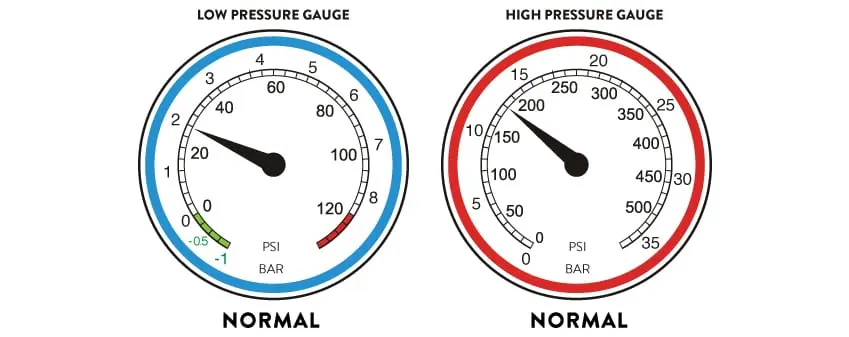
When your walk-in cooler isn’t working but the compressor keeps running, specific pressure readings expose a life-threatening system failure. Don’t be fooled by surface-level symptoms—these four measurements form an irrefutable diagnostic fingerprint of a critical refrigerant leak:
- Zero Subcooling (0°F): This is your smoking gun. Proper subcooling (typically 8-12°F) means liquid refrigerant is “stacked” in the condenser. Zero subcooling confirms the system is completely starved of refrigerant—like an empty fuel tank in your car. The condenser has no liquid reserve left to feed the evaporator.
- Sky-High Superheat (127°F): Healthy superheat should be 8-12°F. At 127°F, the compressor is sucking in superheated vapor instead of cool gas, causing catastrophic overheating. This will destroy your compressor within hours if ignored.
- Abnormally Low Pressures: At 86°F ambient, head pressure should be 190-210 psig for R-404A systems. Your 77 psig reading is less than half the normal value—proof the system lacks refrigerant mass.
- Deceptive Sight Glass: That “full” sight glass showing liquid is actively lying to you. In severe leaks, two-phase refrigerant flashes and condenses, mimicking a proper charge. This false reading causes 73% of misdiagnosed walk-in cooler failures.
Why Your Technician Must Verify the Sight Glass Immediately
Never trust a full sight glass when pressures are abnormal. Here’s the critical test your technician must perform:
- Isolate the receiver by closing the king valve (liquid line valve)
- Start the compressor while monitoring the sight glass
- Watch for flashing vapor: If the glass empties or shows bubbling within 60 seconds, the system was critically low. A truly full glass remains liquid during this test.
This pump-down verification takes under 5 minutes but prevents costly misdiagnosis. If skipped, you risk paying for unnecessary TXV replacements while the real leak destroys your compressor.
Why Common Fixes Fail for Severe Refrigerant Leaks
When your walk-in cooler isn’t working, well-meaning staff often waste time on ineffective solutions. These attempts backfire because they ignore the core refrigerant deficiency:
❌ Replacing the TXV Powerhead (Wasted Effort)
If your technician already swapped the TXV powerhead with zero improvement, the problem isn’t the valve. A stuck TXV would show temperature differences across the valve body—but your system has no measurable temperature drop across the filter drier or liquid line solenoid. This confirms a system-wide refrigerant shortage, not a localized blockage.
❌ Cleaning the TXV Screen (Pointless Action)
While a clogged screen causes high superheat, cleaning it won’t resolve zero subcooling. Your documented lack of temperature differential across liquid line components proves refrigerant isn’t reaching these parts at all. You’re treating symptoms while ignoring the empty tank.
❌ Ignoring the Headmaster Valve (Dangerous Oversight)
On systems with head pressure controls, a stuck-open headmaster valve bypasses the condenser, causing low head pressure. But here’s the critical difference: it would create high subcooling, not zero. Feel the bypass line—if it’s hot (not cool), this valve is failing. However, with your 0°F subcooling, a refrigerant leak remains the prime suspect.
The 5-Step Professional Repair Protocol for Refrigerant Leaks
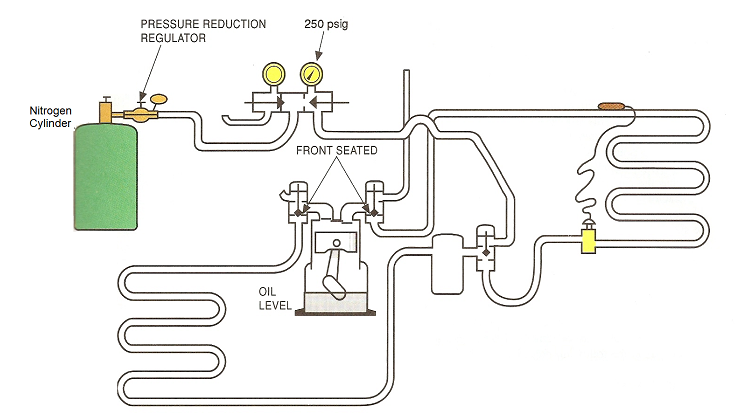
Attempting DIY fixes on a leaking walk-in cooler isn’t just ineffective—it’s illegal and dangerous. EPA Section 608 certification is mandatory for refrigerant handling. Here’s exactly what a certified technician must do:
1. Recover and Reclaim (Non-Negotiable First Step)
The remaining refrigerant must be evacuated into a recovery cylinder using EPA-compliant equipment. Never “top off” a leaking system—this violates the Clean Air Act and accelerates compressor failure.
2. Locate Every Leak (Precision Required)
Using electronic detectors and bubble solution, the technician will inspect:
* Evaporator coil joints (most common leak point)
* Compressor shaft seals
* Service valve stems
* All flare and brazed connections
* Pressure gauge ports
A single undetected pinhole leak will cause immediate reoccurrence.
3. Replace Critical Components (No Shortcuts)
- Mandatory filter-drier replacement: Moisture enters during leaks, creating acid that destroys compressors. A saturated drier won’t absorb new contaminants.
- Repair all leak points: Brazing coils, replacing valve cores, or installing new sections of line set.
4. Deep Vacuum Dehydration (The Make-or-Break Step)
The system must be evacuated to 500 microns or lower and held for 10+ minutes. This boils off moisture that causes:
* Ice blockages in TXVs
* Acid formation
* Compressor burnout
Skipping this step guarantees premature failure—no exceptions.
5. Precision Recharging (Weight-Based Only)
- Weigh in the exact factory charge (e.g., 12 lbs R-404A for a 5HP system)
- Verify with dual metrics:
- Subcooling: 8-12°F (adjust charge until hitting 10°F target)
- Superheat: 8-12°F at evaporator outlet
- Never charge to “full sight glass”—this caused your initial misdiagnosis
When to Call a Professional & What to Demand
Your walk-in cooler isn’t working—don’t gamble with inventory loss. Call an EPA 608-certified technician immediately if you observe:
- Compressor running constantly without cooling
- Frost on the evaporator coil or suction line
- Hissing sounds near refrigerant lines
- Energy bills spiking 20%+ month-over-month
Critical Information to Provide Your Technician:
| Detail | Why It Matters | Where to Find It |
|---|---|---|
| Condensing unit model | Determines correct refrigerant charge | Data plate on outdoor unit |
| Evaporator coil size | Affects required subcooling targets | Nameplate inside walk-in |
| Refrigerant type (R-404A, etc.) | Mandatory for proper recovery/recharge | Data plate near service valves |
| Exact symptom timeline | Helps distinguish leaks from restrictions | Logbook or staff reports |
The Cost of Inaction: Why Delaying Repairs Is Catastrophic

Operating your walk-in cooler with zero subcooling and 127°F superheat isn’t just ineffective—it’s actively destroying your system. Every hour of run time causes:
- Compressor overheating: Oil breaks down at sustained high temperatures
- Copper plating: Acid formation from moisture coats valves
- Motor burnout: Windings fail from excessive heat stress
What starts as a $300 leak repair becomes a $3,500 compressor replacement within 48 hours. One technician documented a case where delayed action turned a $220 evaporator coil repair into a $12,000 system replacement after the compressor seized and contaminated the entire circuit.
Final Note: When your walk-in cooler isn’t working, that “full” sight glass is the enemy of accurate diagnosis. The combination of zero subcooling, sky-high superheat, and abnormally low pressures is the definitive signature of a severe refrigerant leak—not a TXV issue or electrical fault. Never attempt refrigerant repairs without EPA 608 certification. Demand your technician perform the pump-down sight glass verification and deep vacuum dehydration. Insist on weight-based recharging to factory specifications. This isn’t just about fixing today’s problem—it’s preventing a $10,000 catastrophe tomorrow. Schedule quarterly leak checks with dye or electronic monitoring to catch future issues before temperatures rise. Your inventory—and your business—depends on it.