
You’ve smoked your pork shoulder for 14 hours, only to slice into dry, tough meat because you rushed the rest. That heartbreaking scenario happens daily to pitmasters who don’t master the cooler rest. The critical question isn’t “how long should I rest it?” but “how long can pork shoulder rest in cooler while staying safe and juicy?” Here’s the game-changer: As long as your meat’s internal temperature stays above 140°F, it can rest safely for hours—even up to 12 in premium setups. This isn’t guesswork; it’s food science. When you leverage a properly prepped cooler, you transform resting from a passive wait into an active flavor-building phase where collagen reabsorbs juices for melt-in-your-mouth tenderness. Forget rigid timers—this guide reveals exactly how to extend your safe rest window while guaranteeing restaurant-quality results every time.
Why 140°F Is Your Pork Shoulder’s Safety Lifeline
The USDA’s “Danger Zone” (40°F-140°F) is where bacteria multiply rapidly, but your cooked pork only enters this risk zone when its core drops below 140°F. This single temperature threshold determines your entire safe rest window. Unlike raw meat safety rules, cooked pork follows different physics: Bacteria present before cooking are destroyed at 165°F, so your only concern is preventing new bacterial growth during the rest.
What Happens Below 140°F?
When pork shoulder cools into the Danger Zone, two risks escalate:
– Texture degradation: Collagen re-solidifies below 140°F, trapping juices instead of redistributing them
– Bacterial acceleration: Pathogens like Staphylococcus aureus double every 20 minutes between 70°F-125°F
The 140°F Safety Buffer Explained
Holding at 150°F+ provides a critical margin:
– At 150°F, bacterial growth is negligible for 4+ hours
– At 145°F, safe holding drops to 2 hours
– 140°F is the absolute cutoff—never serve pork that dips below this
Yeti vs. Coleman: How Your Cooler Dictates Safe Rest Time
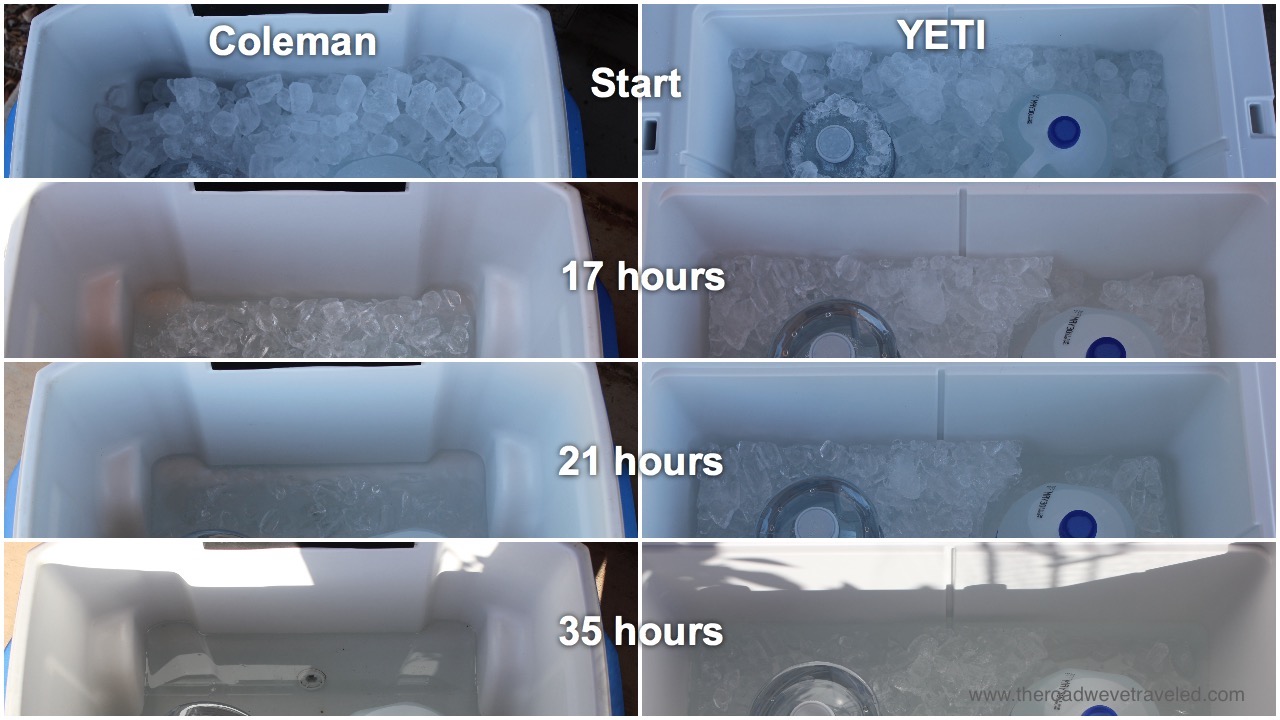
Your cooler isn’t just storage—it’s a precision thermal chamber. The difference between a $30 Walmart cooler and a $300 rotomolded model can mean 3 extra hours of safe rest time.
High-End Rotomolded Coolers (Yeti, RTIC, Orca)
These beasts with 2-3″ polyurethane foam walls deliver 8-12+ hours of safe rest when prepped correctly. Key advantages:
– Seamless rotomolded construction eliminates heat-leaking seams
– Freezer-grade gaskets create near-airtight seals
– Thermal mass retains heat 3x longer than budget coolers
Pro Tip: Fill empty space with crumpled newspaper—air pockets are the enemy of heat retention.
Standard Hard-Sided Coolers (Coleman, Igloo)
With thinner insulation and weaker seals, these manage 4-7 hours of safe rest. Maximize performance by:
– Preheating with boiling water (not just hot tap water)
– Wrapping meat in 4 towels instead of 2
– Storing in a garage (not direct sun) to reduce ambient heat loss
Critical Mistake: Skipping preheating cuts safe time by 50%—you’ll be lucky to hit 3 hours.
Soft-Sided Coolers: The 3-Hour Limit
Avoid these for anything beyond short rests—they typically maintain safety for only 1-3 hours. Their flimsy insulation and zipper gaps cause rapid heat loss. If you must use one:
– Wrap meat in 6 towels (yes, six)
– Place inside a second insulated bag
– Check temperature hourly with a probe
Your 6-Step Cooler Rest Protocol for 12-Hour Safety
Follow this exact sequence to maximize rest time while guaranteeing safety. Deviate from one step, and your 8-hour window shrinks to 3.
Pull at 203°F (Not 195°F) for Maximum Rest Time
Most pitmasters make this fatal error: pulling pork at 195°F. Starting at 203°F creates a 63-degree thermal runway versus 48 degrees at 195°F. That extra 15°F translates to 2-3 additional safe hours. Verify with your most accurate thermometer—the last 8°F of cooking is where collagen fully liquefies.
Preheat Like a Pro: The 15-Minute Game Changer
Fill your empty cooler with boiling water (not just hot tap water) 15 minutes before meat goes in. Seal the lid and let it sit. This critical step:
– Raises cooler walls to 180°F+ (vs. 70°F ambient)
– Prevents “thermal shock” that steals 30°F from meat instantly
– Adds 1.5-2 hours to your rest window
Never skip this: A cold cooler acts like a heat sponge.
Double-Wrap in Towels Before Cooler Entry
Immediately after foil-wrapping:
1. Wrap meat snugly in 2 dry bath towels (terry cloth > microfiber)
2. Secure with butcher’s twine to prevent slippage
3. Place in a second foil layer over the towels
This creates three insulating barriers:
– Foil: Traps steam and juices
– Towels: Slows conductive heat loss
– Outer foil: Blocks radiant heat escape
Eliminate ALL Air Space in the Cooler
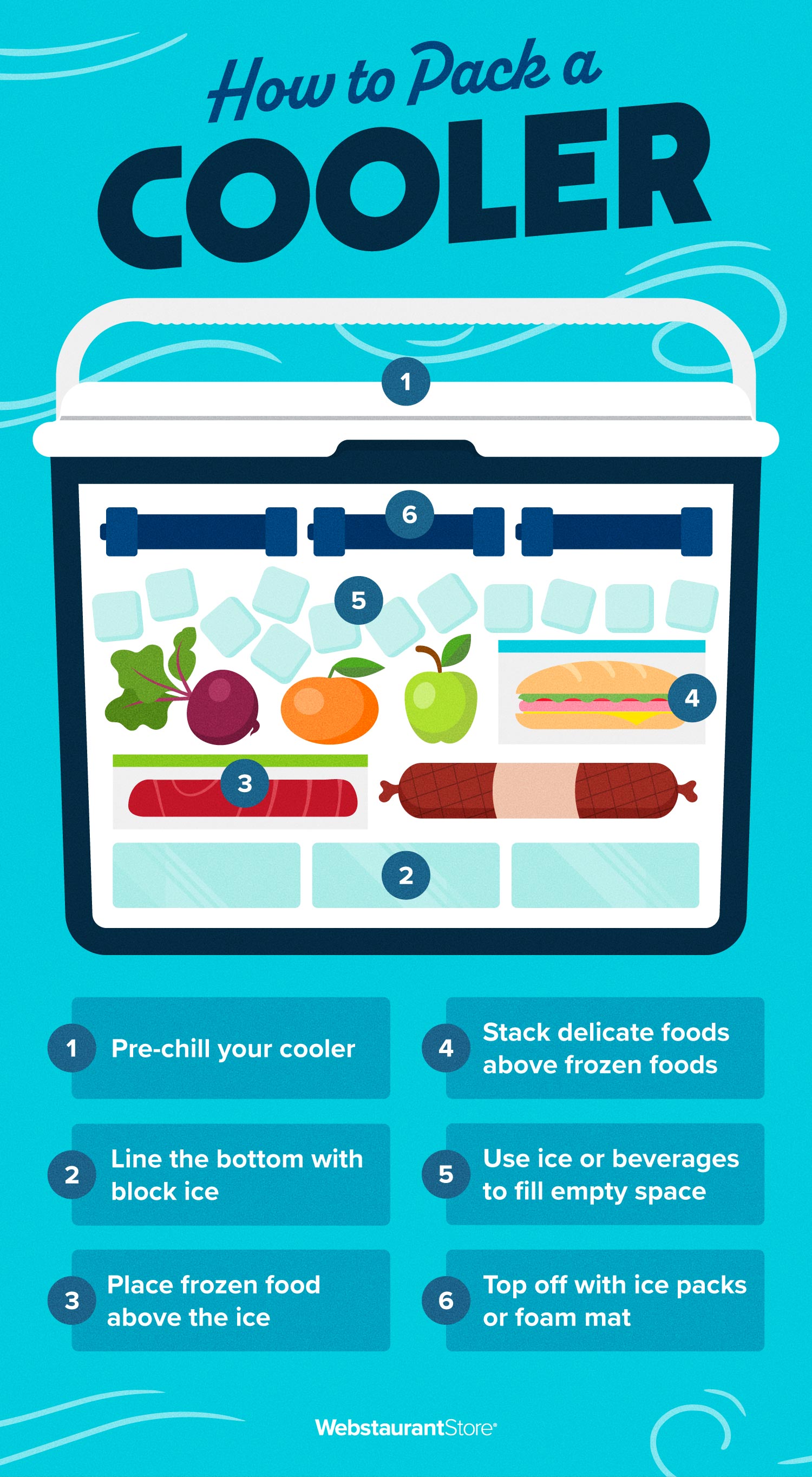
Empty space = rapid cooling. After placing towel-wrapped meat inside:
– Line cooler bottom with 1 folded towel
– Pack every gap with crumpled newspaper or extra towels
– Ensure meat is touching cooler walls on all sides
Visual Cue: Shake the closed cooler—it shouldn’t rattle. Movement means dangerous air pockets.
Never Open the Lid: The 30-Minute Heat Tax
Every peek releases enough heat to cost 30+ minutes of rest time. Prove it:
– Lid open for 30 seconds = 8°F core temp drop
– Lid open for 2 minutes = 15°F drop (killing 3+ safe hours)
If you must check, use a leave-in probe thermometer threaded through the drain plug.
Monitor Temperature Without Disturbing the Meat
This is non-negotiable for rests over 4 hours:
– Insert probe before wrapping meat
– Run wire under cooler lid seal (don’t force it)
– Check via Bluetooth thermometer app
When to pull: Rest ends when core hits 150°F. Below 140°F = immediate refrigeration.
When to End the Rest: The Touch Test & Temp Signs
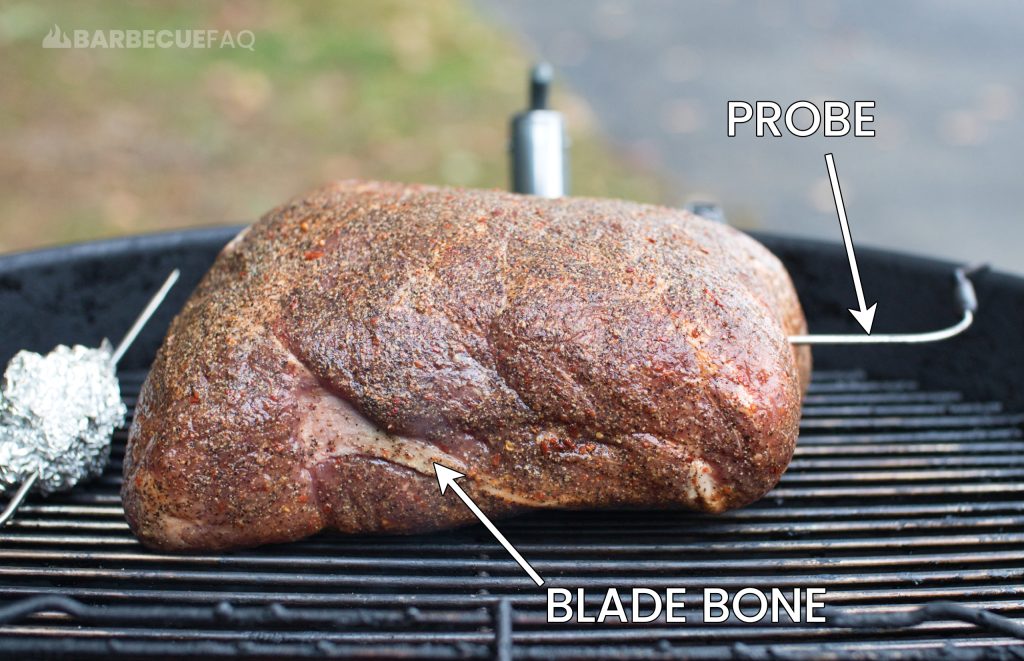
Don’t gamble with time estimates—use these field-tested indicators:
The Lid Temperature Gauge
Place your palm flat on the cooler lid:
– Too hot to touch (>140°F): Safe for 2+ more hours
– Warm but holdable (120°F-140°F): Check probe immediately
– Room temperature (<110°F): Meat is entering Danger Zone
The Towel Moisture Check
After 6+ hours:
– Damp towels: Steam is still active = safe rest ongoing
– Dry, stiff towels: Moisture evaporated = nearing end of safe window
Warning: Dry towels don’t mean unsafe—always verify with thermometer.
The Critical 150°F Threshold
While 140°F is the safety cutoff, pull at 150°F for optimal texture:
– Below 150°F: Collagen begins re-solidifying
– At 150°F: Maximum juice retention with safety buffer
– At 145°F: Serve within 30 minutes or refrigerate
Pro Pitmaster’s Verdict: Forget Hours, Master the Temperature Curve
“How long can pork shoulder rest in cooler?” has one answer: Until its core hits 140°F. With perfect execution, here’s what’s possible:
| Cooler Type | Safe Rest Time | Key Requirements |
|---|---|---|
| Premium Rotomolded | 8-12 hours | 203°F+ start, boiling water preheat, zero air gaps |
| Standard Hard-Sided | 4-7 hours | 200°F+ start, hot water preheat, tight towel packing |
| Soft-Sided | 1-3 hours | 205°F start, 6 towels, no lid openings |
The magic happens in the first 20 minutes: Preheating properly adds more safe time than any other step. And remember—a pork shoulder resting at 155°F for 6 hours develops deeper flavor than one pulled immediately at 203°F. Those extra hours let enzymes continue tenderizing while juices redistribute. When you finally open the cooler, you’ll see proof: steam billowing out, towels soaked with rendered fat, and meat so tender it shreds with thumb pressure. That’s the reward for mastering the cooler rest—not just safe pork, but legendary pulled pork that makes ribs jealous. Now go rest that shoulder like a pro: Preheat, pack tight, seal the lid, and let time work its magic. Your guests will never believe it came from your backyard smoker.