
Picture this: You’re setting up for an outdoor wedding reception when your refrigeration truck breaks down. Or maybe you’re a caterer transporting fresh seafood to a lakeside event as temperatures climb. In these critical moments, knowing how long TCS food can be stored in a cooler becomes the difference between a successful event and a foodborne illness outbreak. Time/Temperature Control for Safety (TCS) foods like dairy, meats, and prepared dishes require strict temperature management to prevent dangerous bacterial growth. This guide cuts through the confusion with actionable timelines and packing techniques that keep your food safe when mechanical refrigeration isn’t available. You’ll learn exactly when to serve, reheat, or discard food—and why guessing could put your customers’ health at risk.
The stakes couldn’t be higher. When TCS foods linger in the “Danger Zone” (40°F to 140°F), bacteria like E. coli and Salmonella double every 20 minutes. For food service professionals, event planners, and even savvy home entertainers, understanding cooler storage limits isn’t optional—it’s a legal requirement under FDA Food Code. This isn’t about theoretical guidelines; it’s about concrete timelines that protect your reputation and your customers. By the end of this guide, you’ll confidently manage TCS food during transport, outdoor events, and temporary storage gaps using nothing but ice, coolers, and precise timing.
Why TCS Foods Demand Strict Cooler Time Limits
TCS foods become breeding grounds for pathogens when temperature control lapses. These high-risk items—including dairy products, cooked meats, eggs, cut produce, and prepared dishes like pasta salad—require active monitoring because they nourish bacteria that cause foodborne illness. Unlike shelf-stable foods, TCS items lack natural barriers against microbial growth. When packed improperly in coolers, they can enter the Danger Zone within minutes, especially in warm environments. The critical factor isn’t just the cooler’s external temperature—it’s the internal food temperature that determines safety. A cooler might feel cold to the touch while food inside creeps into hazardous ranges. This is why time becomes your most crucial safety metric when mechanical refrigeration fails.
How the 4-Hour Danger Zone Clock Actually Works
Your countdown starts the moment food exits refrigeration—not when you pack the cooler. If you prepped chicken salad at 10:00 AM and packed it into a pre-chilled cooler at 11:30 AM, that 90 minutes counts toward your total Danger Zone time. The cumulative limit is 4 hours maximum from when food first exceeds 40°F. This includes preparation, transport, and holding time. Crucially, this isn’t a “start fresh” scenario when you add ice—the clock never resets. If food spent 2 hours in the Danger Zone during prep, you only have 2 hours left in the cooler before it must be served, reheated to 165°F, or discarded. Many professionals mistakenly believe coolers “pause” the clock, but bacterial growth only slows—it doesn’t stop—when temperatures hover near 40°F.
When the 2-Hour Rule Takes Priority Over 4 Hours
Ambient temperature drastically shortens your safe window. The USDA’s stricter guideline applies when coolers face real-world conditions: perishable food cannot remain in the Danger Zone more than 2 hours if air temperatures are below 90°F (32°C), or just 1 hour when it’s 90°F or hotter. This supersedes the 4-hour rule during outdoor events, vehicle transport in summer, or frequent cooler access. At 95°F, bacteria multiply so rapidly that 2 hours becomes a death sentence for food safety. Always default to this shorter timeframe if your cooler will be opened repeatedly, sits in direct sunlight, or handles high-risk items like raw seafood. For example, sushi transported to a beach party in July requires immediate consumption within 60 minutes—not the full 4 hours.
Packing Techniques That Maximize Safe Storage Time
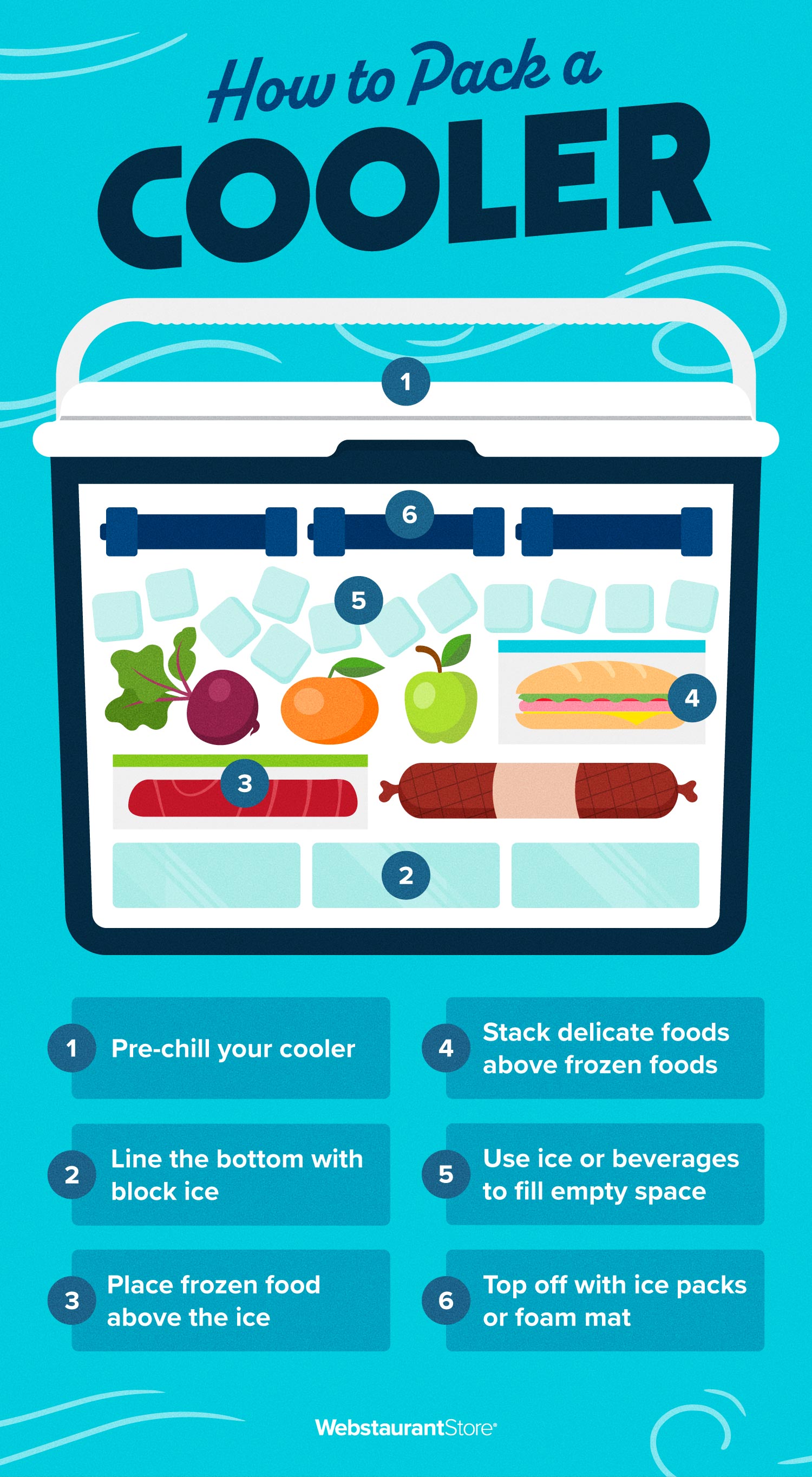
Pre-chilling your cooler isn’t optional—it’s the foundation of safe TCS food storage. An empty cooler pre-stored with ice for 24 hours maintains safe temperatures 40% longer than one packed with room-temperature food. This single step buys critical extra hours when transporting high-risk items like cream-based dips or poultry. Never place warm food directly into a cooler; it immediately elevates internal temperatures and accelerates ice melt. Instead, chill food to 40°F or below in a refrigerator first. When packing, arrange items like a thermal puzzle: dense foods (whole cuts of meat) act as cold anchors while air pockets become heat traps. Your goal is to minimize air space and maximize contact between food and cold sources.
Step-by-Step Cooler Packing for TCS Food Safety
- Layer ice strategically: Place large ice blocks (not cubes) on the cooler’s bottom and sides first—they melt slower and create consistent cooling zones. Freeze water bottles for dual-purpose ice sources you can drink later.
- Position high-risk foods near ice: Store raw meats, seafood, and dairy directly against ice blocks at the cooler’s base. Use leak-proof containers with tight lids to prevent cross-contamination from juices.
- Fill air gaps with non-perishables: Pack towels, sandwiches, or drinks between TCS items to eliminate empty spaces where warm air circulates. Think of your cooler as a thermal battery—more mass equals longer cold retention.
- Seal with a final ice blanket: Top the load with additional ice blocks before closing the lid. This creates a cold-air barrier that slows warming when the lid opens.
Pro Tip: Always place a calibrated refrigerator thermometer inside your food packaging, not just in the cooler air. Air temperature reads colder than food cores—your safety depends on the actual food temperature.
Emergency Protocols When Time Is Running Out
If your TCS food approaches the 4-hour Danger Zone limit, immediate action is non-negotiable. First, verify the exact time spent above 40°F using timestamps from when food left refrigeration. If it’s under 4 hours (or 2 hours in heat), you have three options: serve immediately, cook to 165°F for 15 seconds, or rapidly cool it using ice-water baths. Never return food to a cooler to “buy time”—this extends Danger Zone exposure. If time exceeds limits, discard without exception. Visual checks like smell or texture are dangerously unreliable; pathogens like Staphylococcus produce no detectable warning signs. When in doubt during high-stakes events, sacrifice the food—not your customers’ health.
Critical Mistakes That Trigger Immediate Discard
- Temperature abuse during transfer: Moving food between coolers without pre-chilling the second container
- Cross-contamination: Using the same gloves for raw meat and ready-to-eat foods during packing
- Ignoring ambient heat: Leaving coolers in direct sun or near vehicle engines
- Assuming ice presence equals safety: Coolers can maintain ice while food stays in the Danger Zone
Urgent Warning: Never taste food to check safety. A single bite of contaminated TCS food can deliver a lethal dose of toxins.
Food-Specific Storage Limits in Coolers
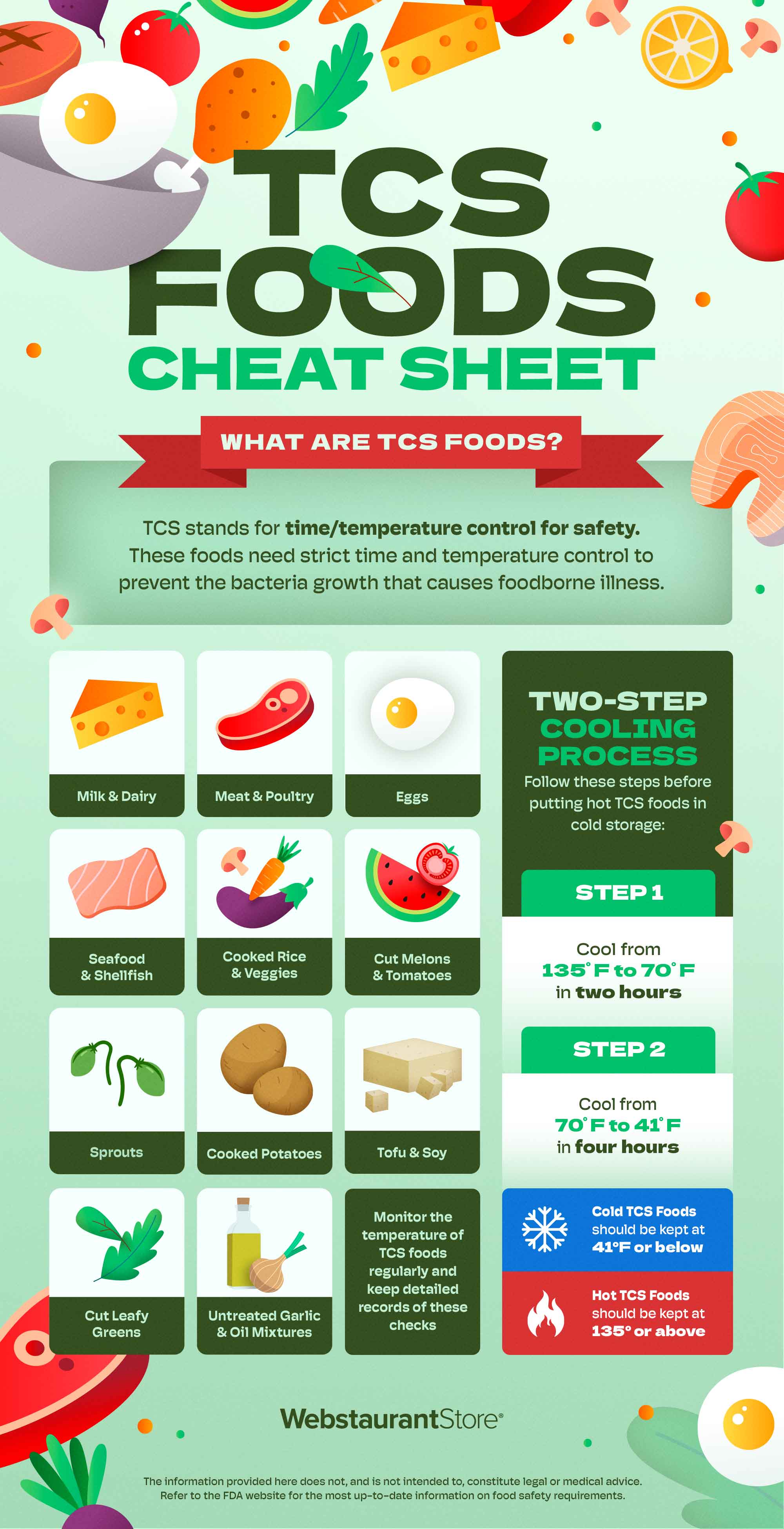
Not all TCS foods behave equally in coolers. High-moisture, protein-rich items like chicken salad or seafood spoil fastest. These require aggressive time management: never exceed 2 hours in Danger Zone conditions even if your cooler seems adequately iced. Conversely, dense items like whole cuts of beef or thick cheese blocks retain cold longer—giving you marginally more time (up to 3.5 hours) if packed correctly. Dairy products present unique risks: milk and soft cheeses develop Listeria rapidly above 40°F, while hard cheeses tolerate slightly longer exposure. Always prioritize ready-to-eat foods (sandwiches, cut fruit) for immediate service—they lack cooking steps to kill bacteria later. Raw meats demand separate coolers; their juices can contaminate everything within seconds if packaging leaks.
Outdoor Event Time-Saving Shortcuts
- Pre-portion high-risk foods: Pack single-serving containers of dips or salads to minimize repeated cooler access
- Use frozen gel packs for vertical cooling: Line cooler walls with flat packs instead of cubes for even temperature distribution
- Implement a “first in, first out” system: Place items needed earliest on top to avoid digging through cold layers
- Monitor with wireless thermometers: Bluetooth devices alert you when internal food temps approach 40°F
These tactics can extend safe holding time by 30–50% compared to standard packing.
Key Takeaways: TCS food storage in coolers follows non-negotiable timelines—never exceed 4 cumulative hours in the Danger Zone, reducing to 2 hours below 90°F or 1 hour at 90°F+. Pre-chill everything, pack strategically with large ice blocks, and always verify internal food temperatures with a thermometer. When time limits approach, choose immediate service, proper reheating, or disposal—never gamble with food safety. Remember: coolers are temporary solutions, not refrigeration substitutes. For ongoing safety, establish pre-event checklists that include cooler prep time, ambient temperature assessments, and discard protocols. Your vigilance with these timelines doesn’t just comply with health codes—it protects lives and preserves your professional reputation. When seconds count in food safety, knowing how long TCS food can be stored in a cooler transforms uncertainty into actionable confidence.