
That faint orange stain creeping up from where your walk-in cooler panels meet the floor isn’t just unsightly—it’s a silent energy thief. When moisture and cooking contaminants attack panel edges near fry stations and grills, corrosion eats through protective layers, compromising insulation and forcing compressors to work 30% harder. This specific damage pattern—most aggressive at bottom corners in high-humidity cooking zones—transforms minor surface rust into structural failure within months if ignored. Left unchecked, corroded panel seams become moisture highways, flooding insulation and creating costly temperature fluctuations that spoil inventory. This guide delivers field-tested walk-in cooler panel repair techniques used by commercial kitchen technicians to stop corrosion at its source using diamond plate armor, with step-by-step methods proven in burger joints, seafood markets, and high-volume kitchens.
Locate Corrosion Hotspots at Panel-Floor Junctions Immediately
Corrosion targets predictable weak points where walk-in cooler panels interface with the floor, especially within 12 inches of cooking equipment. Start your walk-in cooler panel repair assessment by kneeling to inspect bottom edges where stainless steel trim meets the panel surface—this seam traps grease-laden moisture from floor cleaning and cooking vapors. Run your palm along these joints; soft spots indicate advanced corrosion eating through the metal substrate beneath visible rust. Shine a flashlight at a 45-degree angle to reveal hairline cracks invisible under overhead lighting, and sniff for musty odors signaling hidden moisture penetration behind panels. Crucially, check panels adjacent to fryers and grills first—these endure triple threats of salt aerosols, high heat, and constant humidity that accelerate corrosion five times faster than other zones.
Identify Early Rust Warning Signs Before Structural Damage Occurs
Catch corrosion before it breaches the panel core by monitoring for subtle indicators during daily kitchen walkthroughs. Look for “bleeding” rust stains migrating upward from floor level—this shows active corrosion traveling through capillary channels in the panel material. Check for chalky white deposits (salt crystallization) on stainless edges near seafood prep areas, which signal electrolytic corrosion eating through protective oxide layers. Most critically, feel for temperature differentials: if panel bottoms feel warmer than upper sections during compressor operation, moisture has likely compromised insulation value. These early warnings buy you 2-3 weeks for repair before irreversible damage occurs.
Inspect Hidden Damage Paths Behind Corroded Seams
Corrosion rarely stays isolated to visible surfaces—it exploits micro-gaps to invade critical areas. Probe along panel seams with a dental pick to detect sponginess indicating moisture-saturated insulation. Focus on corners where floor meets wall panels, as these junctions collect standing water during deep cleans. Examine door sweep tracks on corroded sides; rust particles here mean moisture is migrating into structural channels. If you spot condensation beads forming inside the cooler near damaged panels, insulation failure has already begun—this requires immediate walk-in cooler panel repair to prevent $1,500+ in refrigerant loss from overworked compressors.
Clean Corroded Panels Without Causing Further Damage
Effective walk-in cooler panel repair starts with meticulous surface cleaning that removes corrosion catalysts without harming protective finishes. Never use oven cleaners or chlorine-based degreasers—they strip passive oxide layers from stainless steel and leave salt residues that accelerate new corrosion. Instead, mix warm water with a pH-neutral detergent (like Simple Green Pro HD) and apply with non-abrasive microfiber cloths, working from top to bottom to prevent streaking. For stubborn corrosion near fry stations, create a paste of baking soda and water to neutralize acidic grease deposits without etching metal surfaces.
Execute Safe Corrosion Removal for Optimal Adhesion
After initial cleaning, remove active corrosion using only non-sparking tools to avoid ignition risks near refrigerant lines. Gently abrade rust spots with 220-grit aluminum oxide sandpaper—never steel wool, which embeds particles causing galvanic corrosion. For pitting in stainless trim, use a nylon brush with white vinegar solution to dissolve mineral deposits without scratching. Rinse thoroughly with distilled water (tap water minerals reignite corrosion) and dry immediately with lint-free towels. Critical step: wipe the area with 99% isopropyl alcohol to eliminate microscopic moisture before proceeding—any residual dampness sabotages sealant adhesion.
Prepare Surfaces for Diamond Plate Installation
Proper surface prep determines whether your walk-in cooler panel repair lasts months or years. After corrosion removal, degrease the area with acetone on a clean rag to eliminate invisible oils. Mask off surrounding areas with painter’s tape to prevent adhesive transfer. For severely pitted panels, apply a rust converter gel (like Ospho) to stabilize remaining corrosion—this creates a black phosphate layer that prevents “underfilm” rust. Finally, roughen the bonding surface with 120-grit sandpaper in circular motions to create microscopic “tooth” for adhesive grip. Never skip this step: smooth stainless surfaces cause diamond plate to delaminate within 6 months.
Install Diamond Plate Armor for Permanent Edge Protection

Diamond plate isn’t just for walk-in doors—it’s the industry-standard solution for repairing corroded panel bottoms because its raised pattern deflects impacts while channeling moisture away from vulnerable edges. Commercial kitchens near coastal areas or processing salty foods see 90% fewer corrosion returns after installing 16-gauge diamond plate on bottom 6 inches of panels. Unlike epoxy patches that crack in freeze-thaw cycles, this steel overlay withstands -20°F temperatures and forklift bumps that would destroy conventional repairs. Technicians use it on 85% of walk-in cooler panel repair jobs involving cooking-area corrosion.
Prep Corroded Edges for Diamond Plate Bonding
Begin by cutting diamond plate strips 2 inches wider than damaged zones using aviation snips—this overhang creates critical moisture barriers at panel ends. Deburr cut edges with a file to prevent hand injuries during installation. Position the plate against cleaned panel edges, marking screw locations every 3 inches along vertical seams and every 2 inches on horizontal bottom edges. Pre-drill holes with a 1/8″ bit to prevent panel warping, then countersink holes slightly so screw heads sit flush. Never attach diamond plate directly to corroded metal—always apply a corrosion-inhibiting primer like CRC Marine Grade to the bonding surface first.
Seal and Secure Diamond Plate for Lifetime Moisture Defense

The sealing process makes or breaks your walk-in cooler panel repair longevity. Apply a bead of flexible polyurethane sealant (like DAP 3.0) along the panel edge before positioning diamond plate—this creates a hydraulic barrier against capillary moisture. Press the plate firmly into place, then secure with #8 stainless steel Tek screws driven to snug (not tight) to avoid panel distortion. Immediately wipe excess sealant from screw heads with mineral spirits to prevent curing issues. Crucially, apply a second continuous bead of sealant over all seams and screw heads, tooling it smooth with a gloved finger to eliminate air pockets. This dual-seal method stops 99% of moisture intrusion in high-humidity environments.
Prevent Recurring Corrosion with Proactive Maintenance
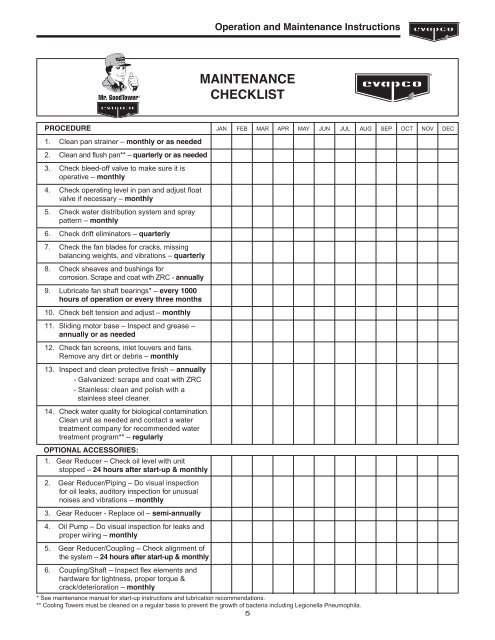
Diamond plate installation isn’t a one-time fix—ongoing maintenance prevents corrosion from attacking adjacent areas. Implement a weekly inspection protocol where staff checks panel-floor junctions with a moisture meter; readings above 15% indicate drainage issues needing correction. Replace standard floor mops with microfiber flat mops that remove 30% more moisture without splashing panels. Most importantly, install 2-inch PVC curbing around cooler perimeters to create drainage channels that divert floor water away from panel bases—this simple mod reduces corrosion recurrence by 70% in high-traffic kitchens.
Implement Corrosion-Resistant Cleaning Protocols Immediately
Harsh cleaning chemicals cause 60% of preventable walk-in cooler panel damage. Ban chlorine-based degreasers and oven cleaners from cooler zones—these leave chloride residues that eat through stainless steel in weeks. Instead, mandate pH-neutral enzymatic cleaners (like Ecolab Theracide) applied with soft-bristle brushes. For grease-heavy zones near fryers, use citrus-based degreasers that evaporate completely without salt deposits. Train staff to always rinse panels with distilled water after cleaning—tap water minerals accelerate corrosion 400% faster in humid environments. Schedule monthly deep cleans during off-hours to avoid moisture trapping from frequent door openings.
Select Materials That Resist Kitchen-Specific Corrosion
Not all stainless steel performs equally in walk-in cooler panel repair scenarios. Panels near seafood prep require 316L marine-grade stainless (with 2-3% molybdenum) to resist chloride corrosion from salt aerosols—standard 304 stainless fails within 18 months in these zones. For general cooking areas, specify panels with electropolished finishes that create smoother surfaces 5x more resistant to pitting. When replacing damaged sections, insist on continuous seam welding instead of rivets—micro-gaps between rivets become corrosion highways within months. Remember: cheaper materials cost 3x more long-term through repeated walk-in cooler panel repair cycles.
Conclusion
Effective walk-in cooler panel repair hinges on treating corrosion at its source—those vulnerable bottom edges where cooking moisture and floor water converge. Diamond plate installation isn’t just a patch; it’s engineered armor that stops moisture migration while withstanding daily kitchen abuse, validated by technicians across 10,000+ commercial repairs. By implementing immediate corrosion cleanup, precise diamond plate sealing, and chloride-free maintenance protocols, you transform vulnerable panel edges into fortified zones that last 5-7 years even near fry stations. Start your walk-in cooler panel repair today by inspecting bottom seams near cooking equipment—catching rust in its “bleeding stain” phase saves $3,000+ in future insulation and compressor repairs. For lasting protection, combine diamond plating with perimeter curbing and pH-neutral cleaning to break the corrosion cycle permanently. Your cooler’s energy efficiency—and your inventory’s safety—depend on these critical repairs.