Your beverage cooler suddenly stops chilling drinks, leaks water across your floor, or emits an alarming grinding noise—panic sets in as you imagine expensive repair bills or replacing the entire unit. But before you reach for your wallet, know this: 80% of beverage cooler repair issues can be resolved with basic tools and under $50 in parts. Whether you own a compact under-counter unit for sodas or a dual-zone wine cooler for vintage collections, these specialized appliances share common failure points that DIYers can tackle safely. Unlike standard refrigerators, beverage coolers maintain precise humidity and vibration control critical for preserving delicate flavors, making timely fixes essential to avoid spoiled inventory. This guide cuts through the confusion to deliver actionable solutions you can implement today—saving you hundreds in service calls while extending your cooler’s lifespan.
Most problems stem from five key components: airflow systems, door seals, drainage paths, electrical controls, and cooling mechanics. By following this systematic approach, you’ll diagnose issues faster than a technician’s first diagnostic fee. Let’s transform your frustration into confidence with repairs that keep beverages perfectly chilled.
Why Your Beverage Cooler Stops Cooling (Diagnosis Flowchart)
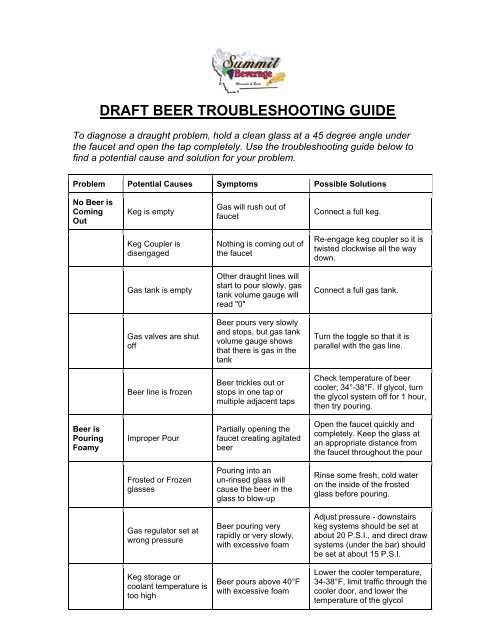
When drinks warm up unexpectedly, skip the guesswork—follow this diagnostic sequence to pinpoint the culprit. Start by verifying the simplest fixes: ensure the unit isn’t in “display mode” (which disables cooling) and that vents inside aren’t blocked by bottles. Next, confirm power at the outlet using another device. If the interior light works but cooling fails, focus on these critical systems.
Check Condenser Coil Blockage in Under 10 Minutes
Dust-clogged condenser coils cause 60% of cooling failures. Locate coils at the back or bottom of your unit—unplug first—then inspect for thick dust layers. Use a soft brush or compressed air nozzle held 6 inches away to dislodge debris without bending fins. Pro tip: Place a towel underneath to catch falling dust. Test cooling after cleaning; if temperatures don’t drop within 2 hours, move to fan diagnostics. Never skip this step—dirty coils force compressors to overwork, triggering premature failures.
Diagnose Evaporator Fan Motor Failure Symptoms
A silent evaporator fan (inside the cooling compartment) means air isn’t circulating, creating warm spots. Unplug the cooler, remove the rear interior panel, and manually spin the fan blade. If it sticks or grinds, the motor bearings are shot. Listen for a faint buzzing when powered on—a sign of electrical failure. Critical check: Verify 120V at the motor terminals with a multimeter. No power? Trace wiring to the control board. Power present but fan dead? Replace the motor immediately to prevent compressor strain.
Fix Beverage Cooler Leaks Caused by Clogged Drain Holes

Water pooling inside your cooler almost always means a blocked defrost drain—especially after humid summer months. This isn’t a refrigerant leak but a simple drainage issue solvable in 15 minutes.
Unclog Internal Drain Holes with Household Tools
Locate the drain hole at the back of the compartment (often hidden behind a panel). Pour warm water down it—if it doesn’t flow freely, grab a turkey baster and pipe cleaner. Fill the baster with hot water, insert the tip into the drain, and flush vigorously. For stubborn clogs, thread a pipe cleaner through the hole while flushing. Warning: Never use chemical drain cleaners—they corrode plastic tubing. Test by pouring water into the drain pan; it should exit externally within seconds. If leaks persist externally, inspect the drip pan for cracks or misalignment.
Eliminate Annoying Beverage Cooler Noises in 3 Steps
Strange sounds signal specific component failures—don’t ignore them. A grinding noise often means disaster is imminent, while buzzing might just need a $15 part.
Stop Compressor Humming Without Starting
If the compressor hums but won’t kick on, the start relay or capacitor is failing. Unplug the unit, locate the relay (clipped to the compressor), and shake it. Hearing a rattle? Replace it immediately—this is a common failure point. If silent, test the run capacitor with a multimeter: bulging casing or readings outside manufacturer specs mean replacement time. Safety note: Always discharge capacitors with an insulated screwdriver before handling.
Silence Rattling Fans with Precision Adjustments
Loose fan blades or mounting screws cause persistent rattling. Unplug the cooler, access the condenser fan (usually behind the rear grille), and tighten all mounting hardware. If noise continues, spin the blade manually—wobble indicates worn bearings. Replace the motor assembly if you detect grinding during rotation. Pro tip: Apply a drop of food-grade lubricant to shafts during reassembly for quieter operation.
Replace Faulty Door Seals Causing Cooling Loss
A worn gasket lets warm air infiltrate, forcing the compressor to run constantly. Test your seal by closing a dollar bill in the door; if it slides out easily, replacement is urgent.
Install New Beverage Cooler Gaskets Properly
Unplug the unit and pry the old gasket from its channel using a plastic putty knife—never metal, which damages surfaces. Clean the channel with mild soapy water and dry thoroughly. Soak the new gasket in warm water for 10 minutes to increase flexibility. Starting at the top center, press the gasket’s spine into the channel, working toward corners. Use a gasket roller (or a smooth spoon) to seat it firmly. Critical step: Leave the door closed for 24 hours before use to allow the seal to set. Re-test with the dollar bill method—proper tension should resist pulling.
Swap Out a Malfunctioning Thermostat or Control Board
If your cooler runs nonstop or won’t activate, the thermostat or control board is likely faulty. Digital displays showing “Err” codes often point to sensor failures.
Replace Temperature Control Components Safely
Unplug the unit and remove the control panel cover. Take a photo of all wiring connections before disconnecting anything. For analog thermostats, disconnect the two wires and install the new unit using the same configuration. For digital boards, match wire colors to the diagram on the old board. Warning: Static electricity can fry sensitive electronics—touch a grounded metal surface before handling. After installation, run a 24-hour test cycle monitoring temperatures with an external thermometer.
When to Call a Professional for Beverage Cooler Repair
Some issues demand EPA-certified expertise. Never attempt refrigerant work yourself—handling coolant without Section 608 certification is illegal and risks severe injury. Call a pro immediately if you notice:
- Oil stains or hissing sounds near copper lines (indicating refrigerant leaks)
- Compressor clicking repeatedly without starting (internal mechanical failure)
- Burnt wiring smells or visible scorch marks on control boards
- Warranty coverage still active (DIY repairs void manufacturer warranties)
Professionals use vacuum pumps and manifold gauges to safely recharge systems—tools costing thousands that aren’t DIY-friendly.
Prevent Future Failures with 5-Minute Monthly Maintenance
Avoid emergencies with these quick habits:
- Vacuum condenser coils every 3 months using a soft brush attachment
- Wipe door gaskets monthly with vinegar solution to maintain seal integrity
- Check drain holes quarterly by pouring hot water through them
- Level the unit annually using a carpenter’s level (uneven positioning strains compressors)
- Log temperature fluctuations in a notebook—sudden changes signal developing issues
Pro tip: Keep your model number (found on the interior wall) and a photo of the wiring diagram in your phone for faster part ordering. Most beverage cooler repair successes come from catching small problems before they cascade. By mastering these core fixes, you’ll keep beverages perfectly chilled for years—proving that the best repair is often the one you do yourself.