
You’ve spent hours simmering chili for the tailgate, only to arrive with lukewarm disappointment. Or you’ve packed piping-hot soup for a camping trip, only to serve tepid disappointment at the campsite. A cooler isn’t just for ice—it’s your secret weapon for keeping food warm in a cooler when prepped correctly. With smart heat retention techniques, you can maintain scalding temperatures for 6+ hours, turning any cooler into a portable oven. This guide reveals exactly how to keep things warm in a cooler using science-backed packing, heat sources, and common household items—no special equipment needed. You’ll learn why preheating is non-negotiable, how bricks outperform hot packs, and the critical safety thresholds that prevent foodborne illness.
Most people assume coolers only work for cold items, but their thick insulation traps heat just as effectively as cold. The key is eliminating air gaps, adding thermal mass, and starting with near-boiling food. Skip these steps, and your stew could drop to unsafe temperatures in under an hour. Follow this system, and you’ll serve restaurant-hot meals anywhere—from potlucks to mountain trails. Let’s transform your cooler into a reliable heat vault.
Preheat Your Cooler Like an Oven (Not Just Warm It Up)
Dumping hot water into your empty cooler for 10 minutes isn’t optional—it’s the foundation of heat retention. Cold plastic and foam absorb heat like a sponge, instantly cooling your food. Preheating raises the internal temperature of the walls and insulation so they don’t steal warmth from your dishes. Fill the cooler with hot tap water (not boiling—this could warp plastic), seal the lid, and wait 10-15 minutes. Drain thoroughly just before loading food.
Why bricks beat hot packs for steady heat
Wrap two standard red clay bricks in heavy-duty aluminum foil and heat them in a 200°F (93°C) oven for 60-90 minutes. Once hot, double-wrap them in dry kitchen towels and place them at the cooler’s base. These bricks radiate consistent, gentle heat for 8+ hours—unlike chemical hot packs that cool rapidly after 1-2 hours. For safety, never place bricks directly against cooler walls; the intense heat could melt plastic. Always use a towel buffer.
Critical preheating mistake to avoid
Using boiling water risks warping cheaper coolers. Stick to hot tap water (120-140°F). If your cooler feels too hot to touch comfortably, it’s too hot for preheating.
Pack Hot Food in Insulated Containers Like a Pro

Your food’s container is your first line of defense against heat loss. Transfer dishes at full simmering temperature (180-200°F) into wide, shallow stainless steel or ceramic pots with tight-sealing lids. Tall narrow containers create more surface area for heat escape—wide shapes radiate warmth evenly. Pre-warm containers by filling them with hot water while your food finishes cooking, then dry thoroughly before loading.
Fill every air gap with insulation
Air circulation is the enemy of heat retention. After placing containers, stuff all empty spaces with:
– Crumpled newspaper (traps air pockets)
– Dry bath towels (absorbs condensation without cooling)
– Insulated lunch bags (for vertical gaps)
Pack items like a jigsaw puzzle—zero wiggle room. Top everything with a folded wool blanket before sealing the lid; this traps rising heat at the critical top layer.
Arrange Your Cooler for Maximum Heat Layering
Place heated bricks at the bottom first—they’ll warm the cooler from below like an oven. Next, add quick-cooling items like casseroles or soups directly on the bricks (with a towel buffer). Dense dishes like roasts or baked potatoes go on top—they retain heat longer and shield fragile items below.
The 30-second rule for lid openings
Every time you crack the lid, you lose 20-30°F in under 30 seconds. If serving multiple dishes, pack them together in one large insulated tote before placing in the cooler. This lets you retrieve everything in one swift move. Never store cold drinks alongside hot food—the temperature clash sabotages heat retention.
Choose the Right Cooler for Heat Retention (Not Just Ice)
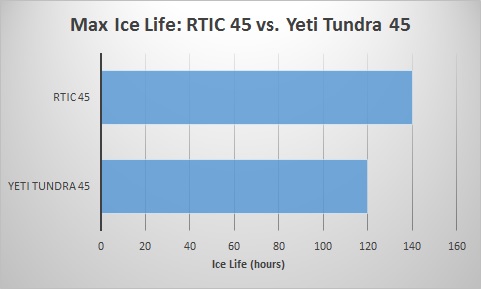
Rotomolded coolers like Yeti Tundra, RTIC 45, or Orca 40 are heat-retention champs thanks to 2+ inches of pressure-injected foam and rubber gasket seals. In tests, they keep food above 140°F for 8+ hours versus 3-4 hours in basic plastic coolers. For budget options, wrap soft-sided coolers in moving blankets during transport—this adds critical insulation.
When standard coolers fail
Hard-sided plastic coolers with thin walls lose heat 60% faster. Compensate by doubling insulation: pack food in two nested containers (e.g., pot inside a larger pot) with towels between layers. Never use foam coolers—they compress easily, creating heat-leaking gaps.
5 Heat-Boosting Tricks for All-Day Warmth
Wrap containers in emergency blankets
Line containers with space blankets (shiny side in) before packing. The reflective surface bounces radiant heat back into food.
Pre-chill the cooler before preheating?
Counterintuitively, coolers that recently held ice retain heat longer. The cold walls absorb less initial heat from your food. Preheat immediately after draining melted ice.
Use rice-filled socks as heat buffers
Fill clean cotton socks with uncooked rice, microwave for 2 minutes, and wrap around container bases. Rice retains heat longer than gel packs.
Add hot broth to dry dishes
For rice or pasta salads, pour in 1/2 cup of near-boiling broth just before packing. The liquid’s thermal mass slows cooling.
Wrap the entire cooler in a moving blanket
For trips over 4 hours, secure a folded moving blanket over the sealed cooler with bungee cords. This cuts heat loss by 40%.
Critical Mistakes That Sabotage Heat Retention
Skipping container pre-warming drops food temperature by 30°F instantly. Always rinse pots with hot water first. Placing boiling liquids directly in coolers risks melting seams—use intermediate containers. Most dangerously, adding ice packs “just in case” creates a temperature war that plummets heat retention. Ice and warmth don’t coexist in coolers—choose one purpose per trip.
Alternative Solutions When Coolers Fall Short
For short trips (<2 hours), vacuum-insulated thermoses keep soups at 160°F+ for 8 hours. For car trips, 12-volt food warmers (like the Coleman RoadTrip) plug into your cigarette lighter, maintaining 170°F indefinitely. Camping? Nestle foil-wrapped dishes in a sleeping bag—body-heat insulation works surprisingly well.
Transport Tactics to Lock In Heat
Place the cooler on the vehicle floor—not the seat—where vibrations are minimal. Avoid opening it for “just a peek”; every lift releases a heat wave. If stopping, park in shade; direct sun heats the exterior, triggering internal convection cooling. For bumpy roads, secure the cooler so it doesn’t shift—movement mixes hot/cold air layers.
Prevent Food Poisoning: The 140°F Safety Threshold

Bacteria multiply rapidly between 40-140°F. Always pack food at 165°F+ (use an instant-read thermometer). The goal isn’t to keep food “hot”—it’s to keep it above 140°F until serving. If holding food over 2 hours, add a second brick or use a chafing dish with fuel cells at your destination. Never reheat food in the cooler; it can’t generate heat, only preserve it. When in doubt, throw it out—no meal is worth food poisoning.
Beef Stew Success: A Step-by-Step Cooler Warmth Test
On a recent mountain camping trip, I tested this system with 3 quarts of simmering beef stew. While stew bubbled, I preheated a Yeti Tundra 45 with hot water. Two foil-wrapped bricks baked at 200°F for 75 minutes, then got towel-wrapped. Stew (202°F) went into a pre-warmed stainless pot, which nestled atop the bricks. Gaps filled with crumpled newspaper, topped with a wool blanket. Sealed at 4 PM. At 9 PM campsite arrival, the stew read 158°F—perfect for serving. Without bricks? It would’ve hit the danger zone by hour 3.
Keeping food hot in a cooler isn’t luck—it’s physics. Preheat relentlessly, pack like a thermal engineer, and never compromise on container quality. Stick to the 140°F safety rule, and you’ll dominate potlucks, tailgates, and backcountry meals with confidence. Now go make that chili cook-off trophy yours—hot from the trail to the table.